
To report drug dealing on your North London street, contact the Metropolitan Police via their non-emergency line or online form for immediate concerns, or use Crimestoppers for anonymous tips. Local councils in Brent, Barnet, Enfield, Camden, Haringey, and Islington handle related anti-social behaviour through dedicated teams. This guide provides step-by-step instructions for residents to act safely and effectively.
Why This Issue Matters to Local Residents
Drug dealing disrupts daily life for North London residents, creating unsafe environments in neighbourhoods across Brent, Barnet, Enfield, Camden, Haringey, and Islington. It often leads to increased anti-social behaviour, such as loitering and litter from drug paraphernalia, which affects families and vulnerable people.
Local residents face heightened fears for children’s safety, with reports of dealing near schools and parks in areas like Tollington in Islington. This activity strains community safety resources, pulling focus from other services while lowering property values and quality of life.
North London councils recognise these impacts, partnering with police to address supply chains and protect communities. Reporting helps restore peace and supports broader efforts to break drug networks.
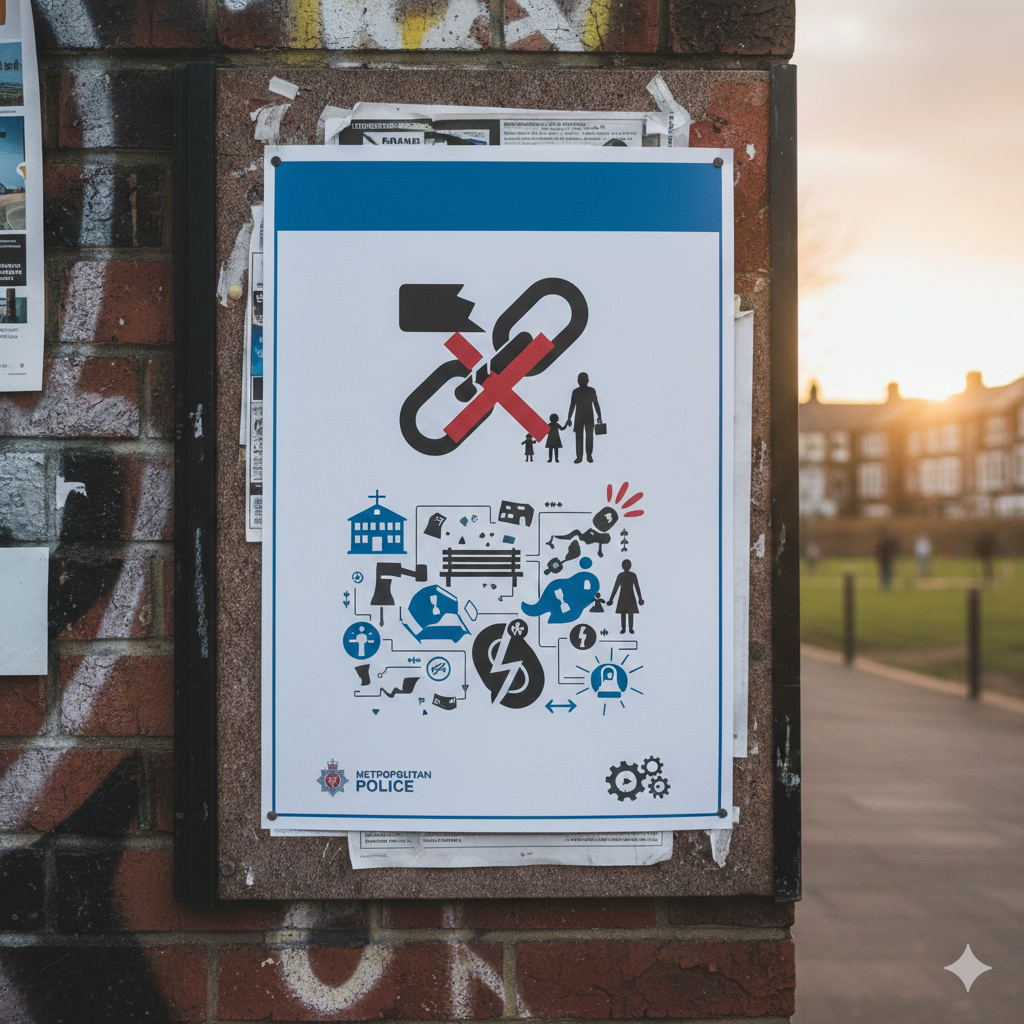
Step-by-Step Actions to Solve the Problem
Follow these clear steps to report drug dealing effectively.
- Assess the urgency: If there’s immediate danger or a crime in progress, dial 999. For ongoing issues, use non-emergency options.
- Gather details: Note dates, times, vehicle registrations, descriptions of individuals, and locations without putting yourself at risk.
- Report to police first: Submit via the Metropolitan Police online ASB form or 101, specifying drug dealing. This triggers criminal investigation.
- Contact Crimestoppers anonymously: Call 0800 555 111 or use their online form for tip-offs without personal details.
- Inform your local council: Report to the anti-social behaviour team in Brent, Barnet, Enfield, Camden, Haringey, or Islington for support actions like patrols.
Repeat reports build evidence, prompting stronger responses from authorities.
Which Council Service Handles It
In North London, each borough council manages anti-social behaviour linked to drug dealing through specialised teams. Brent Council’s ASB team coordinates with police on community safety issues.
Barnet Council works via its Safer Communities Partnership, focusing on drug-related disruptions. Enfield Council’s community safety officers assess reports and partner on interventions.
Camden Council uses its ASB reporting form for drug-related complaints, evaluating severity. Haringey Council’s policy directs residents to police for crimes, with council follow-up. Islington Council’s Community Safety Team and Safer Neighbourhood initiatives support police efforts.
These North London council services collaborate with the Metropolitan Police for holistic responses.
Information or Documents Needed
Provide specific details to strengthen your report across Brent, Barnet, Enfield, Camden, Haringey, and Islington. Include exact addresses, postcodes, and descriptions of suspects like clothing, age, or accents.
Note patterns: frequency, times (e.g., evenings), vehicles (make, model, colour, registration), and any observed exchanges. Photos or videos from a safe distance can help, but avoid confrontation.
Your contact details aid follow-up, though anonymous reports via Crimestoppers require less personal information. Councils assess vulnerability, so mention if children or elderly are affected.
Expected Response Time
Metropolitan Police aim for 92% of immediate drug-related calls within 15 minutes in urban North London areas. Significant incidents, like ongoing dealing, target 89% response within 60 minutes.
Councils like Haringey assess ASB reports within one working day. Residents can expect initial contact outlining actions, with neighbourhood queries addressed in 72 hours under reforms.
Persistent issues may take weeks for patrols or investigations, but multiple reports accelerate priorities.
What to Do if Follow-Up Is Required
Keep a log of all reports with reference numbers from police or councils in Brent, Barnet, Enfield, Camden, Haringey, and Islington. If no update after expected times, contact the original team quoting your log.
Request an ASB case review after three reports in six months; local Community Safety Partnerships must convene if thresholds met. Escalate via council complaints processes if needed.
Encourage neighbours to report similarly, amplifying evidence for action.
Rights and Responsibilities Under UK Rules
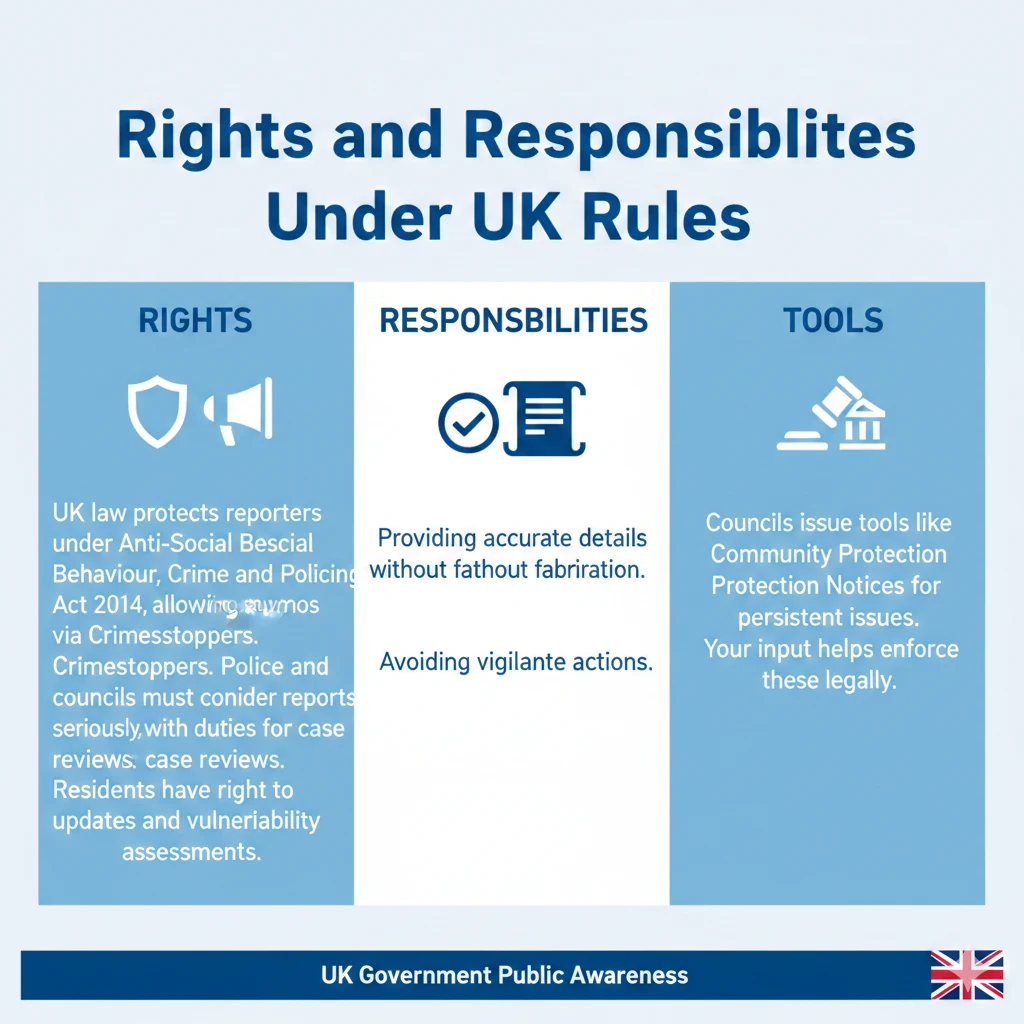
UK law protects reporters under the Anti-Social Behaviour, Crime and Policing Act 2014, allowing anonymous intelligence via Crimestoppers. Police and councils must consider reports seriously, with duties for case reviews.
Residents have the right to updates and vulnerability assessments. Responsibilities include providing accurate details without fabrication, and avoiding vigilante actions.
Councils issue tools like Community Protection Notices for persistent issues. Your input helps enforce these legally.
Practical Tips to Avoid the Problem in Future
Strengthen community vigilance in North London streets. Join or form Neighbourhood Watch schemes to share observations safely.
Improve lighting and trim overgrown areas around properties to deter loiterers. Report fly-tipping promptly, as it often accompanies dealing sites.
Engage with local council events on community safety in Brent, Barnet, Enfield, Camden, Haringey, and Islington. Support police patrols by providing consistent tips.
Build neighbour alliances for collective reporting, reducing individual risk. These steps foster safer environments long-term.