If speaking calmly to your neighbour and keeping a simple noise diary does not solve the problem, you can report noisy neighbours to your North London council’s environmental health or noise team, usually using an online form. The council will assess whether the noise counts as a statutory nuisance and, if necessary, can issue a noise abatement notice or take further legal action under UK law. Local residents in Brent, Barnet, Enfield, Camden, Haringey and Islington all follow broadly similar steps through their own North London council services.
Why this issue matters to local residents
Persistent noise can seriously affect sleep, work, mental health and your ability to enjoy your home, especially in busy parts of North London where homes are close together. Councils have a legal duty to investigate “statutory nuisance” noise, such as loud music, regular late-night parties or constant barking, because these problems can cause real harm if left unresolved.
At the same time, life in flats, terraced streets and mixed-use areas means there will always be some everyday noise, like footsteps or children playing. Understanding the difference between normal living sounds and nuisance noise helps local residents decide when to approach a neighbour informally and when to involve the council.
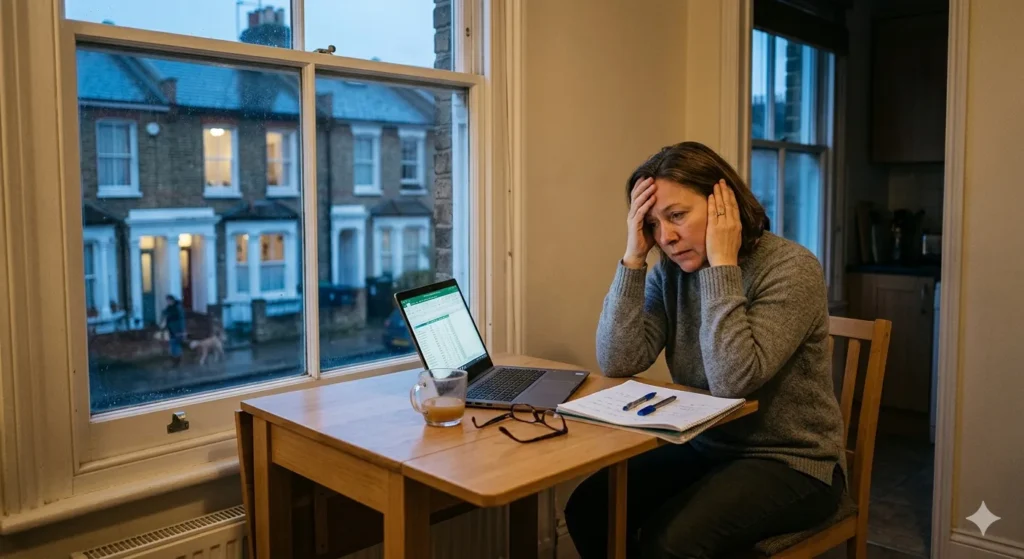
Step-by-step actions to solve the problem
Follow these steps before and when you report noisy neighbours to your North London council.
- Keep calm and assess the noise
- Note what the noise is (music, shouting, barking, DIY, alarms).
- Record how often it happens, at what times, and how long it lasts.
- Consider whether it is everyday living noise or something more persistent and unreasonable.
- Speak to your neighbour (if safe to do so)
- Choose a calm moment, not during the disturbance.
- Explain clearly and politely how the noise is affecting you.
- Suggest practical solutions, such as turning music down at night or moving speakers away from shared walls.
- Keep a simple noise diary
- Date of each incident.
- Start and end time (or “ongoing”).
- Type of noise and how it affects you (e.g. “unable to sleep, had to move rooms”).
- Whether you spoke to the neighbour or anyone else about it.
- Contact your landlord or managing agent (if relevant)
- If you rent from the council, a housing association or a private landlord, check your tenancy agreement about anti-social behaviour and noise.
- Report the problem to your landlord or housing officer, as they may be able to intervene.
- Report the problem to your local council
- Go to the relevant North London council website (for example, Brent Council, Barnet Council, Enfield, Camden, Haringey or Islington).
- Look for “noise”, “noise nuisance”, “anti-social behaviour” or “environmental health” and use the online form to report noisy neighbours.
- Provide clear details from your noise diary.
- Cooperate with the investigation
- Be available for follow-up calls or emails from the council’s noise or environmental health team.
- Be prepared for officers to visit, sometimes at short notice, to witness the noise.
- Continue your diary while the investigation is ongoing.
- Consider mediation
- If the council suggests mediation, it can help rebuild communication and find a practical compromise.
- Mediation is voluntary but is often quicker and less stressful than formal enforcement.
Which council service handles it
Across Brent, Barnet, Enfield, Camden, Haringey and Islington, noisy neighbour complaints are usually handled by one of the following council services:
- Environmental Health / Environmental Protection
Handles most residential noise complaints, such as loud music, DIY noise, barking dogs and alarms. - Community Safety or Anti-Social Behaviour teams
Get involved where noise is part of wider anti-social behaviour, such as harassment, threats or repeat disturbances. - Housing or Tenancy services
Deal with noise issues involving council tenants, housing association tenants, or disputes within managed blocks.
When you report, your North London council will route the case to the correct team internally, so you do not need to know the exact department name in advance.
Information or documents needed
Having clear information ready will speed up your complaint and help the council decide what action to take.
You will usually need:
- Your name and address (anonymous complaints are rarely accepted).
- The address or exact location of the noisy neighbour.
- A brief description of the problem (type of noise, e.g. music, parties, barking).
- How long the problem has been happening and how often.
- Times of day when the noise occurs (for example, late at night, early morning, weekends).
- A noise diary or log covering several incidents, if possible.
- Details of any steps you have already taken (spoken to neighbour, contacted landlord, tried mediation).
In some cases, the council may ask you to:
- Upload your diary or witness sheets.
- Provide recordings of the noise (if you have them), although officers will still need to form their own professional judgment.
- Confirm whether anyone in your household is especially vulnerable, such as young children, older residents or people with health conditions.
Expected response time
Response times vary between councils and may depend on how serious the problem is and whether it is happening at the time you report it.
Typically, local residents can expect:
- Acknowledgement of an online report within a few working days, sometimes sooner.
- Initial assessment or contact explaining next steps, which may include asking for more details or confirming that your case meets the threshold for investigation.
- Out-of-hours noise services, where available, may respond more quickly at night or weekends when the noise is happening.
If officers decide to investigate, they may:
- Arrange a visit to your home to witness the noise.
- Contact the neighbour informally to warn them about the complaint.
- In more serious or ongoing cases, consider formal enforcement such as a noise abatement notice.
What to do if follow-up is required
If the noise continues after you have reported it, you are not powerless. Take these steps to follow up properly:
- Update your noise diary
Keep logging incidents with dates, times and impact. This helps show a pattern. - Respond to council requests
Answer calls or emails promptly and give any extra information requested. Officers may need this to move the case forward. - Ask for an update
If you have not heard back in a reasonable time, contact the council again quoting your reference number. A polite, clear message asking about progress is usually enough. - Report breaches of an abatement notice
If you know a noise abatement notice has been served and the neighbour continues to make noise, report each breach so the council can consider prosecution or seizure of equipment. - Consider your own legal action
In persistent cases where you feel the council is unable to help further, you may be able to apply directly to the magistrates’ court under legislation covering statutory nuisance. Independent legal advice or help from a local advice agency is recommended before taking this step.
If threats, aggression or criminal behaviour are involved alongside the noise, you should contact the police, as councils deal with nuisance rather than crime.
Rights and responsibilities under UK rules
UK law gives local residents important rights when dealing with noise, but it also expects everyone to behave reasonably.
Your main rights include:
- The right to ask your council to investigate noise that may be a statutory nuisance, such as frequent loud music, late-night parties or constantly barking dogs.
- The right to have your complaint properly considered and, if statutory nuisance is found, for the council to serve a noise abatement notice requiring the noise to stop or be reduced.
- The right to take your own action in the magistrates’ court if the council does not or cannot act.
Your responsibilities include:
- Accepting a certain level of everyday living noise, especially in busy urban areas and blocks of flats.
- Trying to resolve issues informally by speaking to neighbours or using mediation before escalating to formal enforcement, where it is safe to do so.
- Providing honest, accurate information to your local North London council, including being available for officers to witness the noise when necessary.
Neighbours who cause statutory noise can face enforcement action, including fines and, in some cases, seizure of noisy equipment such as sound systems or speakers.

Practical tips to avoid the problem in future
Whether you are the one making the noise or the one affected, a few simple habits can prevent neighbour disputes from starting or escalating.
For local residents in Brent, Barnet, Enfield, Camden, Haringey and Islington:
- Talk early, not late
A friendly conversation the first or second time there is an issue can prevent months of frustration later. - Give advance notice of parties or events
Let neighbours know if you plan a gathering, agree a reasonable finish time, and keep windows and doors closed to reduce noise. - Think about layout
Keep speakers, TVs and musical instruments away from shared walls or ceilings where possible. - Use soft furnishings
Rugs, curtains and wall hangings can help absorb sound in flats with hard floors. - Manage pets and alarms
Train dogs to reduce excessive barking and ensure intruder or car alarms are properly maintained to avoid repeated false alarms. - Know your building rules
Many blocks in North London have rules about noise, flooring and quiet hours. Following these can prevent formal complaints to Barnet Council, Brent Council or other North London councils.
By acting reasonably and using council processes where necessary, local residents can usually resolve noisy neighbour issues without long-term conflict.
Can I report noisy neighbours to the council?
Yes. Most North London councils accept noise complaints through their online reporting forms or environmental health teams, where you can log details of the disturbance and request an investigation.