
Secure your home against North London burglars by fitting British Standard locks on doors and windows, installing motion-sensor lights, and joining Neighbourhood Watch schemes. Local residents in Brent, Barnet, Enfield, Camden, Haringey, and Islington can access free advice from the Metropolitan Police and their North London council’s community safety teams.
Why This Issue Matters to Local Residents
Burglaries remain a key concern for households across North London boroughs like Barnet, Haringey, and Enfield, which rank among London’s highest-risk areas based on past crime data. These incidents disrupt lives, cause financial loss, and erode community trust, with Barnet reporting notable burglary figures in recent analyses.
Residents in Camden, Islington, and Brent face similar threats, as thieves often target accessible homes in these dense urban settings. Securing properties not only protects valuables but also promotes peace of mind for families.
North London council areas emphasise prevention, recognising that proactive steps reduce victimisation rates borough-wide.
Step-by-Step Actions to Solve the Problem
Start with a self-assessment of your property’s vulnerabilities, checking all entry points for weak locks or unsecured windows.
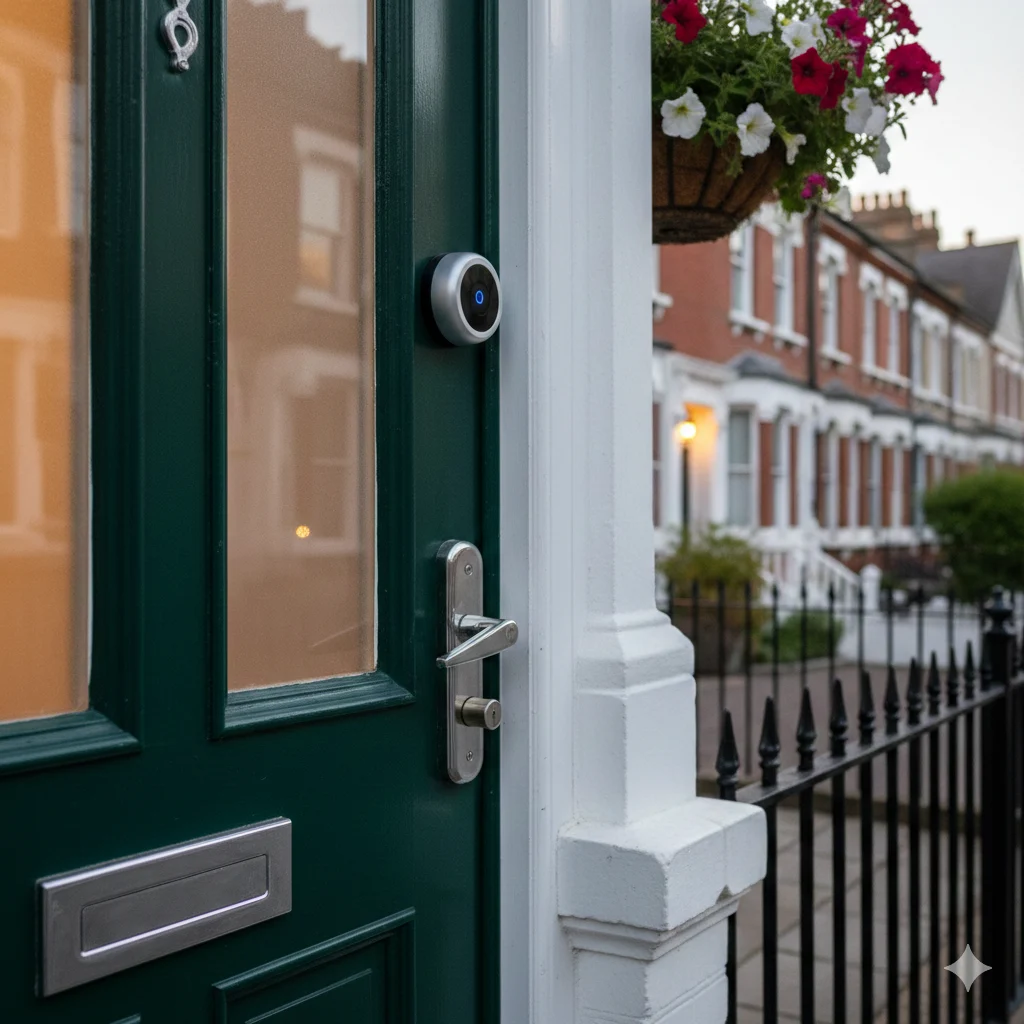
Next, upgrade doors and windows: Fit BS 3621 approved locks to external doors and use key-operated locks or restrictors on ground-floor windows.
Install deterrents like motion-activated exterior lights and visible alarms, then trim front hedges below one metre to eliminate hiding spots.
- Double-lock doors every time you leave, even for short periods.
- Use timers for interior lights to simulate occupancy.
- Secure garages and sheds with padlocks and consider CCTV for evidence.
Finally, mark valuables with a UV pen or property marking kit and store them out of sight.
Which Council Service Handles It
In Brent, Barnet, Enfield, Camden, Haringey, and Islington, community safety teams within each North London council oversee crime prevention advice. These services partner with the Metropolitan Police to offer guidance on home security.
Barnet Homes provides free measures for tenants, while Brent’s crime prevention pages detail deterrence strategies. Contact your local council’s community safety or neighbourhood team for tailored support.
The Met Police’s Designing Out Crime Officers contribute through borough initiatives, focusing on high-risk areas.
Information or Documents Needed
Prepare proof of residency, such as a council tax bill or utility statement, when requesting council advice.
For vulnerable residents or those on benefits like Universal Credit or Pension Credit, provide evidence of qualifying status to access potential grants or checks.
Note your postcode and describe property details, like the number of doors and windows, for accurate assessments.
No formal documents are required for general Met Police tips, but photos of insecure areas help during visits.
Expected Response Time
Met Police non-emergency advice lines respond immediately online or via 101 calls.
Council community safety teams typically acknowledge enquiries within 3-5 working days, with home visits arranged in 2-4 weeks for priority cases like repeat victims.
In hotspots, patrols in Haringey or Enfield estates offer quicker visible presence.
What to Do If Follow-Up Is Required
If initial advice lacks detail, follow up via your North London council’s online portal or email the community safety team.
Request a free security survey from the Met Police if eligible, escalating to your local Safer Neighbourhood Team.
Document all communications and repeat requests after two weeks if no update arrives.
Rights and Responsibilities Under UK Rules
UK residents have the right to request access for safety checks from accountable persons in multi-occupancy buildings, ensuring risks are managed.
You must maintain basic security, like locking doors, and allow reasonable access for assessments without causing undue risk.
Under common law, property owners bear responsibility for reasonable precautions, but councils cannot mandate private upgrades without vulnerability criteria.

Practical Tips to Avoid the Problem in Future
Adopt the WIDEN approach: Windows locked, Interior lights on timers, Doors deadlocked, Exterior sensors, and Neighbours vigilant.
Keep rear boundaries high with trellis or prickly plants, and avoid hiding keys outside.
Join or start a Neighbourhood Watch scheme through Our Watch to foster community alerts.
Regularly review insurance standards for locks to ensure coverage post-incident.
Use apps for smart locks compliant with UK standards, and report suspicious activity promptly.