Key Points
- Asmodee distributed quick, travel‑friendly games to fans waiting in the queue for a major K‑Pop concert in North London.
- The initiative was aimed at transforming long waiting times into a shared pre‑show experience, helping fans break the ice and pass the time.
- Lindsay Cooper, Senior Marketing Brand Manager at Asmodee, said the best nights out start before fans enter the venue and that games help people talk and laugh together.
- The event drew on Asmodee’s recent “Game Set Match” experience for tennis fans at SW19 (Wimbledon), extending the same concept to a summer music queue.
- Small groups formed in the queue, with laughter and interaction spreading along the line, turning waiting into a moment of connection.
- No specific venue name, date, or K‑Pop artist is provided in the original text, so the report must remain general on those details.libguides.southernct
- The story focuses on fan experience and community building rather than musical content, ticket sales, or security issues.
- Asmodee’s message underlines that you do not need a table or much space to turn waiting into a moment of real connection.libguides.southernct
North London (North London News) July 10, 2026 –Fans waiting outside a major K‑Pop concert venue in North London were surprised with quick, travel‑friendly games distributed by Asmodee, turning a long queue into a shared pre‑show moment of connection and laughter. Hot on the heels of giving tennis fans a “Game Set Match” experience while waiting to enter the gates of SW19 last week, Asmodee brought the power of play to one of the biggest queue moments of summer, surprising fans waiting for the most anticipated K‑Pop performance of the year.
- Key Points
- How did Asmodee turn the queue into a shared pre‑show experience?
- Why did Asmodee bring games to a K‑Pop concert queue in North London?
- What impact did the games have on fan behaviour in the queue?
- How does this fit with Asmodee’s broader approach to event experiences?
- What does the story say about fan expectations for K‑Pop concerts in North London?
- Background: Asmodee’s “power of play” at major events
- Prediction: How could this development affect K‑Pop fans and North London event audiences?
How did Asmodee turn the queue into a shared pre‑show experience?
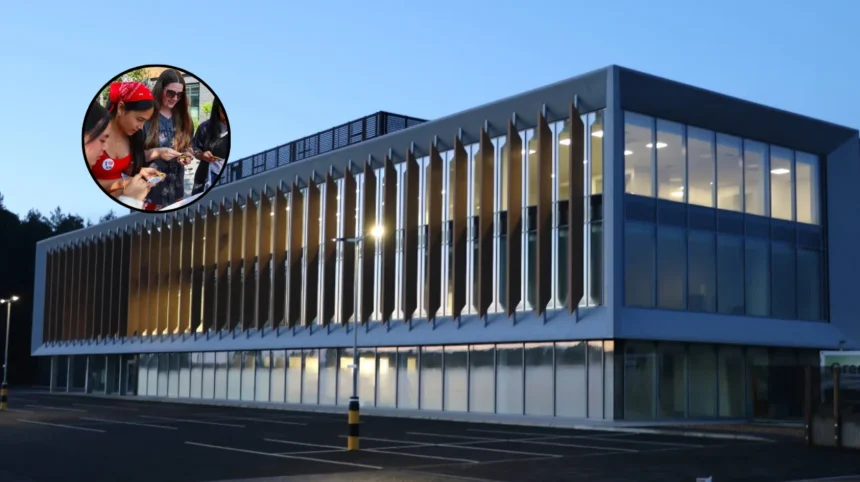
Asmodee distributed small, easy‑to‑carry games to fans braving the heat to be first through the turnstiles, helping them break the ice, pass the time and make memories before the music had even started.
The result was instant: small groups formed, laughter travelled down the line, and the queue turned into a shared pre‑show moment, all thanks to the power of play, reinforcing that you do not need a table (or even much space) to turn waiting into a moment of real connection.
According to the original account, the games were designed to be quick and travel‑friendly, specifically suited to people standing in a long line in warm weather.
Rather than remaining isolated, fans began interacting with one another, forming small groups and sharing experiences before the concert began.
Why did Asmodee bring games to a K‑Pop concert queue in North London?
Lindsay Cooper, Senior Marketing Brand Manager at Asmodee, said:
“The best nights out start before you even walk through the gates to the venue and a great game is one of the fastest ways to get people talking and laughing together. Tonight we wanted to give fans something fun to do while they wait, and a memory to take home with them afterwards”.
The initiative was not a one‑off experiment; it followed a similar “Game Set Match” experience for tennis fans waiting to enter SW19 (Wimbledon) last week, showing that Asmodee is extending the same concept from sports to music events.
By replicating the approach in a new setting, the company aimed to demonstrate how play can improve queue experiences across different types of large‑event attendances.
What impact did the games have on fan behaviour in the queue?
The original text states that the result was “instant,” with small groups forming and laughter travelling down the line.
Fans who had previously been waiting individually began to interact, creating a more social atmosphere before the performance began.
This shift illustrates how a simple intervention—distributing small games—can change the mood of a queue from passive waiting to active engagement.
The narrative emphasises that the games did not require tables or significant space, making them suitable for crowded outdoor queues typical of major concerts.
How does this fit with Asmodee’s broader approach to event experiences?
Asmodee’s description links the K‑Pop queue activity to its earlier work at Wimbledon, where it offered tennis fans a “Game Set Match” experience while they waited to enter the stadium.
This suggests a strategic focus on using games to enhance waiting times at high‑profile events, regardless of whether they are sports or music‑based.
The company’s message underlines that games can be a fast way to get people talking and laughing together, turning potentially frustrating delays into social opportunities.
By applying this approach in both SW19 and a North London concert venue, Asmodee is positioning itself as a brand that actively shapes pre‑event fan experiences.
What does the story say about fan expectations for K‑Pop concerts in North London?
While the original text does not name the artist or venue, it describes the event as
“the most anticipated K‑Pop performance of the year”
and one of
“the biggest queue moments of summer”.
This indicates that K‑Pop concerts in North London are attracting large numbers of fans willing to queue for extended periods, often in hot weather.
The fact that Asmodee chose to intervene at this particular event suggests that organisers and external brands see these queues as significant moments where fan experience can be enhanced.
The emphasis on “breaking the ice” and “making memories” implies that fans value not just the performance itself but also the social experience surrounding it.
Background: Asmodee’s “power of play” at major events
Asmodee is a games company known for promoting the “power of play” as a way to bring people together in waiting or social situations. Its recent activities include:
- A “Game Set Match” experience for tennis fans at SW19 (Wimbledon), where games were used to entertain people waiting to enter the venue.
- The distribution of quick, travel‑friendly games to fans waiting for a K‑Pop concert in North London, extending the same concept to a music event.
These initiatives are framed as attempts to transform queue times—often seen as tedious or frustrating—into opportunities for connection and shared enjoyment. The underlying idea is that even small, simple games can encourage interaction among strangers and improve the overall atmosphere of large events.
Explore More Local North London News
How Shopping Addiction Left a Mum in Debt: North London 2026
Major Whetstone Car Crash Closes Oakleigh Road North: London 2026
Prediction: How could this development affect K‑Pop fans and North London event audiences?
If brands and event organisers continue to use games and similar interventions to improve queue experiences, K‑Pop fans in North London may increasingly expect more than just a concert ticket; they may come to view the queue itself as part of the event experience. This could lead to:
- More social interaction in queues, with fans forming groups and sharing experiences before entering the venue
- A shift in how waiting time is perceived, from a negative delay to a potential pre‑show activity that fans might discuss and remember.
For North London event audiences in general, the approach could encourage other brands to replicate similar ideas at sports, music and cultural events, making queue management more about engagement than just_capacity and security _.
Over time, this might change broader expectations around how large events are experienced, with fans looking for interactive elements not only inside venues but also in the spaces leading up to them.
However, as the original text does not provide specific data on attendance numbers, fan feedback surveys, or long‑term outcomes, any assessment of lasting impact remains based on the described immediate effects rather than measured results.
The story therefore highlights a promising trend in fan experience design, while leaving the full extent of its influence for future events to demonstrate.