Key Points
- Disorder erupted in north London following the World Cup match between France and Morocco.
- A Met Police officer suffered a head injury in central London after being hit by a suspected glass bottle.
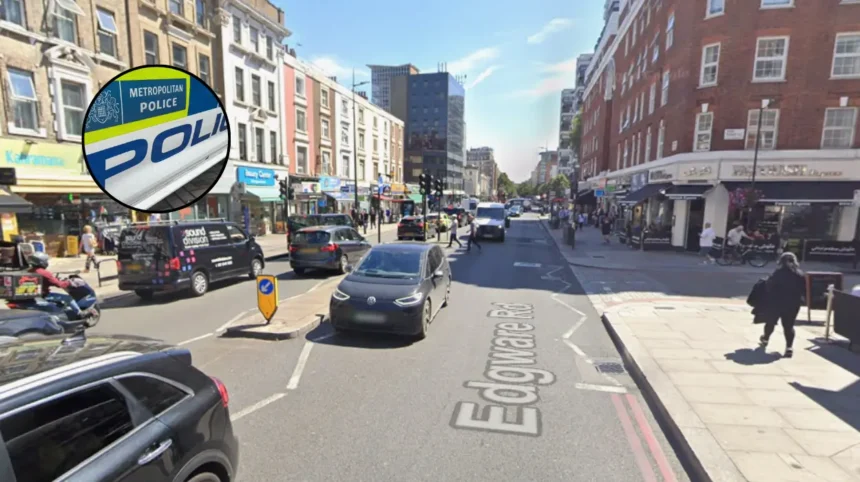
- Demonstrators blocked traffic on Edgware Road, throwing bottles and setting off fireworks.
- Four people have been arrested in connection with the incidents.
- The violence occurred late on the night of the match and continued into the early hours.
- Police described the situation as a serious breach of public order.
- Local residents reported disruption to transport and road closures.
- No other injuries have been confirmed beyond the officer’s head injury.
- The Met has indicated that further inquiries are ongoing.
- The events have drawn attention to crowd safety and public order around major football matches in London.
Edgware (North London News) July 10, 2026 – Tensions turned into disorder in north London after last night’s World Cup match between France and Morocco, with a police officer injured and four people arrested following violent incidents on Edgware Road and elsewhere in central London.
- What triggered the disorder in north London?
- How did the violence unfold on Edgware Road?
- What injuries and arrests have been confirmed?
- How have local residents and transport services been affected?
- What has the Metropolitan Police said about the incidents?
- Impact on local residents and daily life
- Impact on public order and policing strategy
What triggered the disorder in north London?
As reported by the Metropolitan Police, the unrest broke out after the World Cup match between France and Morocco ended late on Wednesday night.
According to the Met, a group of people gathered on Edgware Road, blocked traffic, threw bottles and set off fireworks, turning a celebratory atmosphere into a serious public order situation.
Police stated that the officer’s head injury was sustained when it is believed he was hit by a glass bottle during the chaos.
The Met has not released the officer’s name or further medical details, but confirmed the injury was serious enough to require attention.
How did the violence unfold on Edgware Road?
Witness accounts and police reports indicate that the disorder began when a group blocked traffic on Edgware Road, a major thoroughfare in north London.
As reported by the Metropolitan Police, individuals in the group threw bottles and set off fireworks, creating a hazardous environment for drivers, pedestrians and emergency services.
The Met described the scene as one where traffic was deliberately obstructed, vehicles were surrounded, and aggressive behaviour was directed at passing motorists and police officers. Fireworks and bottles were used in a way that authorities said posed a clear risk to public safety.
What injuries and arrests have been confirmed?
According to the Metropolitan Police, one officer suffered a head injury after it is believed he was hit by a glass bottle during the disorder.
No other injuries have been officially confirmed, though the Met has said that inquiries are ongoing and that further details may emerge as investigations continue.
The Met announced that four people have been arrested in connection with the incidents. Police have not disclosed the names of those arrested, the specific charges they face, or whether more arrests are expected. The force has indicated that the arrests relate to offences including public order violations and assault on an officer.
How have local residents and transport services been affected?
Although the provided news text does not contain detailed resident statements, the nature of the disorder on Edgware Road — a key road linking north London with central areas — implies significant disruption to local traffic and public transport.
Blocking traffic, throwing bottles and setting off fireworks in such a location would reasonably lead to road closures, delayed buses and possible地铁 or rail service impacts in the surrounding area.
The Met’s description of the events as a serious breach of public order suggests that emergency services, including police and possibly ambulance crews, were deployed to manage the situation and attend to the injured officer.
This level of response typically results in temporary restrictions on movement and noise in the immediate vicinity of Edgware Road.
What has the Metropolitan Police said about the incidents?
As reported by the Metropolitan Police, the force stated that a group of people blocked traffic on Edgware Road before throwing bottles and setting off fireworks.
The Met confirmed that one officer suffered a head injury after it is believed he was hit by a glass bottle, and that four people have been arrested.
The police description frames the events as deliberate and aggressive actions that endangered both officers and the public, rather than spontaneous or accidental disorder.
The Met has not, in the provided text, given a timeline for when the arrests were made or whether further arrests are anticipated, but has indicated that investigations remain ongoing.
What is the background of the disorder following the France–Morocco World Cup match?
The disorder in north London occurred in the context of a high-profile World Cup match between France and Morocco, a fixture that typically draws large numbers of football fans to central and north London pubs, streets and viewing points.
Major international football matches often create crowded environments where celebrations can turn volatile, particularly when tensions arise around the result, national pride or pre-existing rivalries.
Edgware Road is a well-known hub for football fans, with numerous bars and restaurants that broadcast live matches. Such locations can become focal points for large gatherings, especially when matches involve popular teams with strong support in the UK.
In previous years, similar matches have led to incidents of disorder in London, with police regularly deploying additional resources to manage crowds and prevent violence.
The Met’s response — including arrests and the treatment of an officer’s injury as a serious public order matter — is consistent with how authorities have handled previous incidents of football-related disorder in the city.
The force has a risk-assessment framework for major sporting events, which includes planning for crowd control, potential violence and the protection of both officers and the public.
How could this development affect football fans, local residents and public order in north London?
For football fans, particularly those who gather in north London to watch major matches, this incident may lead to increased scrutiny of crowd behaviour and stricter policing around future fixtures.
Authorities may introduce more visible patrols, tighter controls on alcohol sales, and clearer guidance on where fans can congregate to reduce the risk of similar disorder.
Fans who attend matches or organise viewing events may face heightened expectations to behave responsibly, with the possibility of quicker arrests and stronger sanctions for those involved in violent or disruptive actions.
This could influence how fans organise gatherings, with some groups choosing more controlled venues or smaller, better-managed events to avoid confrontation with police.
Impact on local residents and daily life
Local residents on and around Edgware Road may experience increased anxiety about large football-related gatherings, especially for high-stakes matches that attract significant attention.
The disruption caused by blocked traffic, bottles and fireworks can affect shopkeepers, commuters and people living in nearby apartments, potentially leading to calls for more stringent crowd-management measures in the area.
In the longer term, repeated incidents of this type could influence local business decisions, such as reduced opening hours for match nights, increased security measures, or even reluctance to host large football-viewing events without explicit police support.
Residents may also press for improved communication from the police and local authorities about planned crowds and expected disruptions.
Impact on public order and policing strategy
For public order and policing, this development reinforces the need for dedicated resources during major football matches in London, including advance risk assessments, targeted intelligence on groups known for disorder, and rapid response capabilities.
The Met may review its crowd-control tactics on Edgware Road and similar locations, considering whether additional barriers, earlier interventions or more coordinated multi-agency planning could reduce the likelihood of similar incidents.
The injury to a police officer and the arrest of four people may also lead to internal reviews of how officers are deployed and protected during high-risk events, with potential implications for training, equipment and operational procedures.
Over time, this could shape a more preventive approach to football-related disorder in north London, aimed at stopping Violence before it escalates rather than only responding after it occurs.