Key Points
- A long-running, free legal clinic in north London that supported domestic abuse victims has been closed after legal aid cuts left it unsustainable.
- The clinic was described as one of the last remaining “legal aid deserts” services in the area, providing initial advice, guidance on injunctions, and help with court applications for survivors of domestic abuse.
- Sarah Sackman KC, the minister of state for courts, has said in an exclusive interview that she is personally running legal advice clinics in response to the widening gap in access to justice.
- Ministers and legal sector figures have warned that the closure exacerbates existing “legal aid deserts” where people can no longer obtain funded advice on housing, family law, and protection orders.
- The development has raised concerns among campaigners, local lawyers, and support organisations that survivors will now face greater delays, higher costs, or be forced to navigate complex court processes without professional help.
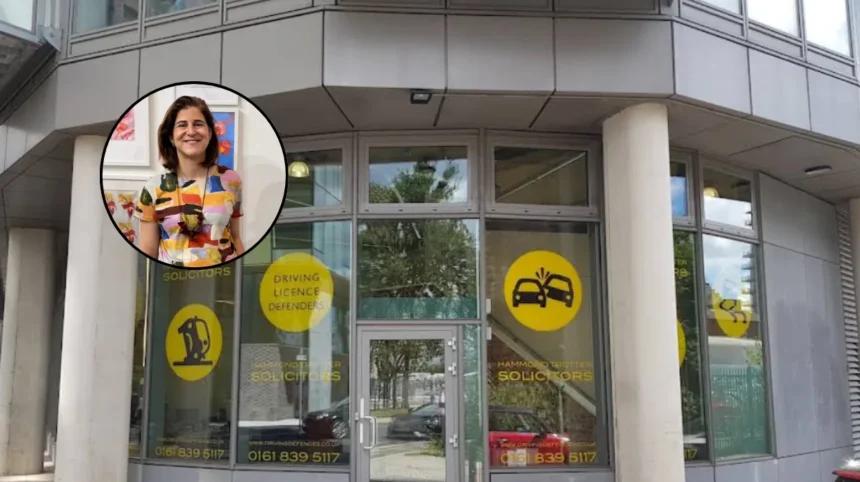
Finchley (North London News) July 15, 2026 – The clinic, which had operated for years in north London, was shut after it could no longer secure sufficient funding to continue offering free consultations and representation guidance to people experiencing domestic abuse. According to reports, the service had become one of the few remaining points of contact for survivors in the area who were unable to afford private legal fees and for whom legal aid was no longer available due to tightened eligibility and funding constraints.
- Key Points
- How are legal aid cuts affecting domestic abuse survivors in north London?
- What has the minister of state for courts said about the clinic closure?
- Why is the north London clinic closure seen as part of a wider problem?
- Background: The development and context of the legal clinic closure
- Prediction: How this development can affect domestic abuse survivors and the north London community
As reported by the journalist covering the exclusive interview for i News, Sarah Sackman KC, the minister of state for courts, stated that she is personally running legal advice clinics in response to the growing number of “legal aid deserts” across the country. She described the situation as a direct consequence of cuts to legal aid and the contraction of the sector, which has left many communities without accessible, funded advice on family law, housing, and protection orders.
The closure of the north London clinic has been linked in media reporting to a broader pattern of services disappearing as legal aid budgets shrink.
Campaigners and legal professionals argue that this trend is pushing vulnerable people – particularly women and children experiencing domestic abuse – further from the justice system, because they cannot afford private lawyers and no longer have local, free options for initial advice.
As noted in the i News report, the minister acknowledged that the current system has created geographic and financial barriers to justice, with some areas effectively becoming “legal aid deserts” where people cannot obtain advice even in cases involving serious harm or risk.
She explained that, in the absence of state-funded services, she has taken the decision to run her own clinics to ensure that at least some survivors can receive basic legal guidance.
Legal sector commentators quoted in the coverage have warned that the disappearance of such clinics is not just a local issue but part of a wider national decline in access to civil legal advice.
They argue that without intervention, more services will close, and the gap between those who can pay for legal help and those who cannot will widen further, particularly in areas like family law and domestic abuse cases where time-sensitive intervention is critical.
The report also highlighted concerns from local support organisations that survivors who previously relied on the north London clinic may now struggle to find alternative advice.
In some cases, individuals may be forced to travel to other parts of London or to seek help from national helplines, which, while valuable, may not provide the same level of local, tailored guidance on court procedures, injunctions, or housing issues.
Ministers have not yet announced a specific replacement for the closed clinic, but the minister of state for courts has stressed that the problem of “legal aid deserts” is being addressed through a combination of policy reviews and, in some cases, direct action by legal professionals to maintain access to basic advice.
The closures and the minister’s own initiative to run clinics have been presented as evidence of the severity of the current situation and the pressure on the civil justice system.
How are legal aid cuts affecting domestic abuse survivors in north London?
The closure of the free north London legal clinic is being described in media reports as a direct outcome of legal aid cuts that have reduced the number of services able to offer funded advice to domestic abuse survivors.
As noted in the i News coverage, the clinic had become one of the last remaining services in the area that could provide initial advice and help with court applications for people who were unable to pay for private legal representation.
Legal sector figures and campaigners have said that the closure leaves many survivors in north London with fewer options for advice on injunctions, child protection, and housing issues, areas where timely legal intervention can be crucial.
The report states that the minister of state for courts, Sarah Sackman KC, has acknowledged that these cuts have created “legal aid deserts” where people cannot access advice even in cases involving serious harm.
What has the minister of state for courts said about the clinic closure?
According to an exclusive interview reported by i News, Sarah Sackman KC, the minister of state for courts, has said that she is personally running legal advice clinics in response to the rise in “legal aid deserts” across the country.
She explained that the closure of services like the north London clinic is a consequence of cuts to legal aid and the contraction of the sector, which has left many communities without accessible, funded advice.
As reported in the i News article, the minister described the situation as a crisis in access to justice, with some areas effectively becoming places where people cannot obtain advice even in cases involving domestic abuse and risk of harm.
She stated that, in the absence of state-funded services, she has taken the decision to run her own clinics to ensure that at least some survivors can receive basic legal guidance.
Why is the north London clinic closure seen as part of a wider problem?
Media coverage has linked the closure of the north London clinic to a broader national pattern in which legal aid cutbacks have led to the disappearance of civil advice services.
Legal sector commentators quoted in the report warn that this trend is pushing vulnerable people further from the justice system, because they cannot afford private lawyers and no longer have local, free options for initial advice.
The i News report notes that campaigners and local lawyers argue that without intervention, more services will close, and the gap between those who can pay for legal help and those who cannot will widen further, particularly in areas like family law and domestic abuse cases where time-sensitive intervention is critical.
Background: The development and context of the legal clinic closure
The free north London legal clinic was established to provide advice and guidance to domestic abuse victims who could not afford private legal representation and for whom legal aid was no longer available due to tightened eligibility rules and funding constraints.
Over time, as legal aid budgets were reduced and the civil legal advice sector contracted, the clinic became one of the few remaining services in the area that could offer initial advice, help with injunctions, and support with court applications for survivors of domestic abuse.
The decision to close the clinic was taken after it became clear that the service could no longer secure sufficient funding to continue operating, in line with a wider pattern of similar closures across England and Wales.
The minister of state for courts has described the resulting situation as the emergence of “legal aid deserts”, where people in some areas cannot obtain advice even in cases involving serious harm or risk, and has noted that she is personally running legal advice clinics to mitigate the impact of these gaps.
Explore More Finchley News
Children’s Care Home Planned for Fairholme Gardens, Finchley 2026
Woman, 19 Shot Dead in Finchley – Police Launch Murder Probe – Finchley, 2026
Prediction: How this development can affect domestic abuse survivors and the north London community
The closure of the north London legal clinic is likely to affect domestic abuse survivors in the area by reducing their access to timely, local legal advice on injunctions, child protection, and housing issues. Without a free, local service, some survivors may face delays in taking legal action, incur higher costs if they seek private advice, or be forced to navigate complex court processes without professional support, which could undermine their ability to protect themselves and their children.
For the wider north London community, the development may contribute to a perception that access to justice is increasingly dependent on income and location, with people in “legal aid deserts” effectively excluded from the civil justice system unless they can pay for private help.
If similar closures continue across the country, legal sector figures and campaigners argue that the gap between those who can afford legal advice and those who cannot will widen further, potentially leading to more unresolved cases of domestic abuse, housing disputes, and family law issues going unaddressed in courts.