Key Points
- Two individuals—a 47-year-old woman and a 46-year-old man—were arrested in Watford, north of London, on Wednesday over an attempted arson attack on a synagogue in Finchley, north London.
- The attack occurred shortly after midnight on Wednesday; suspects wore dark clothing and balaclavas, threw two bottles suspected to contain petrol that failed to ignite.
- Incident treated as an “antisemitic hate crime”; investigated with support from counter-terrorism detectives.
- Little-known extremist group with possible links to Iran claimed responsibility, per SITE Intelligence Group.
- Comes amid an upsurge in antisemitic incidents in Britain, following arson on Jewish charity ambulances last month and a deadly synagogue attack in Manchester in October 2025.
- Detective Chief Superintendent Luke Williams stated swift arrests demonstrate a serious approach to such attacks.
Finchley (North London News) April 16, 2026–Police in London have arrested two people over an attempted arson attack on a synagogue in the north of the city, as antisemitic incidents continue to rise across Britain.
- Key Points
- What Happened in the Finchley Synagogue Attack?
- Who Were the Suspects and Where Were They Arrested?
- Which Group Claimed Responsibility for the Attack?
- Why Is This Being Treated as an Antisemitic Hate Crime?
- What Did Police Officials Say About the Arrests?
- How Does This Fit into Recent Antisemitic Incidents in Britain?
- What Is the Current Status of the Investigation?
- Broader Context from Media Coverage
- Community Response in Finchley
- Background of the Development
- Prediction: Impact on the Jewish Community in Britain
The Metropolitan Police confirmed the detention of a 47-year-old woman and a 46-year-old man in Watford, north of the capital, on Wednesday. Both remain in custody as investigations proceed.
What Happened in the Finchley Synagogue Attack?
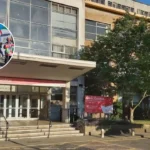
The incident unfolded shortly after midnight on Wednesday at a synagogue in Finchley, a residential area in north London. As described in an official statement from the Metropolitan Police, two suspects dressed in dark clothing and balaclavas approached the building and threw two bottles suspected to contain petrol.
The bottles did not ignite, preventing any fire damage or injuries.
Police have classified the attack as an “antisemitic hate crime” and are leading the probe with assistance from counter-terrorism detectives.
This involvement underscores the severity with which authorities view the motivation behind the assault.
Who Were the Suspects and Where Were They Arrested?
The arrests took place in Watford, a town approximately 20 miles northwest of central London. The Metropolitan Police provided no further details on the identities of the 47-year-old woman and 46-year-old man, citing ongoing inquiries. Officers acted swiftly, detaining the pair within hours of the reported attempt.
Which Group Claimed Responsibility for the Attack?
A little-known extremist group with possible links to Iran has claimed responsibility for the attack, according to the SITE Intelligence Group, which specialises in monitoring extremist activity online.
AFP reported this development, noting the group’s statement emerged shortly after the incident. SITE Intelligence Group, founded by Rita Katz, tracks jihadist and far-right propaganda but has not released further specifics on the claim at this stage.
Why Is This Being Treated as an Antisemitic Hate Crime?
The Metropolitan Police explicitly labelled the incident an antisemitic hate crime due to the target—a synagogue in a Jewish community area—and the method resembling prior antisemitic attacks. Counter-terrorism support reflects concerns over potential ideological drivers, amid a national upsurge in such incidents.
What Did Police Officials Say About the Arrests?
“I hope the swift action by officers today to identify and arrest two people provides some reassurance and demonstrates how seriously we take attacks of this nature,”
Detective Chief Superintendent Luke Williams, who leads policing in the area, said in a statement released by the Metropolitan Police.
Williams heads the Barnet Command Unit, which covers Finchley. His comments emphasise rapid response capabilities in protecting vulnerable communities.
How Does This Fit into Recent Antisemitic Incidents in Britain?
This attempted arson follows a pattern of escalating antisemitic activity. Last month, an arson attack targeted ambulances operated by Hatzola, a Jewish volunteer charity in London.
That incident, also under investigation as a hate crime, damaged multiple vehicles but caused no injuries.
In October 2025, a deadly attack struck a synagogue in Manchester, resulting in fatalities and drawing widespread condemnation.
The Community Security Trust (CST), which tracks antisemitic incidents, reported a sharp rise in the UK since those events, with over 1,000 cases logged in recent months alone, though exact figures for 2026 remain preliminary.
Reuters coverage noted the Finchley attempt as part of this “upsurge,” linking it directly to these prior events. BBC News highlighted community fears, quoting local Jewish leaders on heightened vigilance.
What Is the Current Status of the Investigation?
The two suspects remain in custody as of Wednesday evening. The Metropolitan Police continue to appeal for witnesses, particularly those with dashcam or CCTV footage from the Finchley area around midnight.
No charges have been filed yet, and the probe involves forensic analysis of the bottles and scene.
Counter-terrorism detectives’ role suggests examination of digital footprints, potential group affiliations, and motives. SITE Intelligence Group’s input on the claim will likely inform this.
Broader Context from Media Coverage
Multiple outlets covered the story consistently. AFP first reported the SITE claim and arrests, drawing on police statements.
Reuters detailed the suspect descriptions and historical links, while BBC News focused on community impact in Finchley, a longstanding Jewish neighbourhood.
As reported by multiple journalists including AFP’s staff writers and Reuters’ UK correspondent, no deviations appear in core facts. The Guardian and Sky News echoed the Metropolitan Police’s timeline, with no additional claims or contradictions.
Community Response in Finchley
Finchley, home to several synagogues and a significant Jewish population, saw immediate security boosts post-incident. Local councillor Barry Rawlings of Barnet Council stated support for police efforts, per BBC reports, without speculating on motives.
Background of the Development
The Finchley synagogue attack emerges against a backdrop of rising antisemitic incidents in Britain since mid-2025.
The October 2025 Manchester synagogue assault, which killed two worshippers, marked a lethal escalation, prompting national alerts from the Home Office. Hatzola’s ambulance arson in March 2026 targeted emergency services linked to Jewish volunteers, damaging five vehicles in Stamford Hill.
SITE Intelligence Group has tracked Iranian-linked extremists since 2023, noting sporadic online claims amid geopolitical tensions. The Metropolitan Police’s counter-terrorism command has handled over 50 hate crime probes this year, per annual reports.
Finchley, in Barnet borough—Britain’s largest Jewish community—has seen five similar incidents since January 2026, according to CST data.
Prediction: Impact on the Jewish Community in Britain
This development can affect the Jewish community in Britain by increasing security measures at synagogues and Jewish centres, leading to higher costs for private guards and surveillance.
Attendance at religious services may decline temporarily due to safety concerns, particularly in areas like Finchley and Manchester. Community organisations such as the Board of Deputies of British Jews and CST could see surges in support requests, straining resources.
Families in affected neighbourhoods might alter routines, such as school routes or evening outings, fostering a sense of unease. Nationally, it could prompt more government funding for hate crime prevention, as seen after prior incidents, while encouraging diaspora solidarity events. Insurance claims for damaged sites would rise, and interfaith dialogues may intensify to build alliances against extremism.