Key Points
- Former English and learning support teacher Charles Miles, 64, has been banned indefinitely from teaching after a Teaching Regulation Agency (TRA) panel considered his admissions of Class A drug use.
- The case came to light after Miles contacted police in November 2024 to report “water bulging” at his home in Hackney, prompting visits from police officers and social workers.
- Social workers found that Miles was affected by ongoing Class A drug use. He said his crystal meth use was limited to weekends to “relax” and was “pretty controlled”.
- Official findings found no reports or evidence that children suffered physical harm while Miles was working and affected by ongoing drug use.
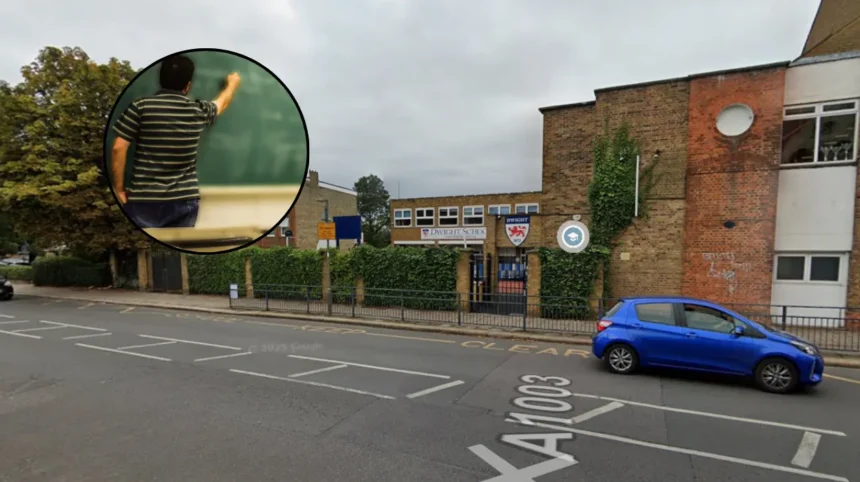
- Miles taught at the £37,000-a-year Dwight School in Barnet for nearly 40 years before formally retiring in summer 2025. The TRA panel later found his conduct unacceptable professionally.
- The order prevents Miles from teaching in any school, sixth-form college or children’s home in England. He cannot apply for a review of the ban for at least five years.
Barnet (North London News) August 28, 2026 — In a disciplinary ruling published by the Teaching Regulation Agency (TRA), a veteran English and learning support teacher who spent nearly four decades at an elite north London private school has been indefinitely prohibited from the teaching profession after admitting to the regular use of crystal methamphetamine.
- Key Points
- Why Did Police and Social Services Visit the Teacher’s Hackney Home?
- What Was Charles Miles’ Defence Regarding His Class A Drug Usage?
- How Did the Teaching Regulation Agency Panel Reach Its Final Verdict?
- Background of the Particular Development
- Prediction: How This Development Can Affect Independent School Governance and Educational Safeguarding
As reported by Peter Hennessy of the Daily Express, Charles Miles, aged 64, was employed at Dwight School in Barnet when an emergency call to local police regarding a domestic infrastructure concern triggered a series of social work interventions, ultimately exposing his recreational consumption of the Class A controlled substance.
Why Did Police and Social Services Visit the Teacher’s Hackney Home?
As reported by MyLondon, the circumstances leading to the discovery of the drug consumption began in November 2024, when Mr Miles personally contacted law enforcement authorities to report “water bulging” within his residential property located in Hackney.
Attending officers inspected the dwelling, and subsequent visits by municipal social workers led to official documentation stating it was “clear” that the long-serving educator “smokes crystal meth”. Social care professionals subsequently compiled a detailed report for regulatory authorities, confirming that Mr Miles was actively “impacted by ongoing class A drug use”.
However, as reported by the Daily Star, the official TRA tribunal documentation explicitly clarified that despite the serious nature of the substance misuse, there was no indication or report of any direct harm caused to pupils under his care at the educational institution.
What Was Charles Miles’ Defence Regarding His Class A Drug Usage?
Following the findings by social services, administrative proceedings were initiated by the school management. As reported by MailOnline, Mr Miles attended a formal tribunal meeting with the governing body of Dwight School—a prestigious independent day school charging up to £37,000 annually—in January 2025.
Official notes from the internal hearing, which were submitted as evidence to the regulatory panel, recorded Mr Miles’ direct defense regarding his habits. In statements quoted within the TRA report, Mr Miles stated:
“They’re concerned about that crystal meth use but as I am trying to explain – I am not addicted to it.”
As reported by the Daily Mirror, the 64-year-old teacher maintained throughout the disciplinary process that he utilised the substance solely on weekends as a personal mechanism to “relax”. He further described his Class A substance consumption as being “pretty controlled” and argued that his private activities were distinct from his professional duties.
How Did the Teaching Regulation Agency Panel Reach Its Final Verdict?
Despite Mr Miles formally retiring from his educational position at the conclusion of the academic year in the summer of 2025, the Teaching Regulation Agency proceeded with formal misconduct proceedings to evaluate his suitability for future practice.
As reported by MyLondon, Mr Miles formally acknowledged that consuming crystal methamphetamine while actively employed as a member of the teaching staff constituted “unacceptable professional conduct”. The three-member regulatory panel unanimously agreed, determining that his behavior amounted to serious professional misconduct that brought the standing of the teaching career into disrepute.
In the written decision issued on behalf of the Secretary of State for Education, the TRA panel highlighted significant concerns regarding the educator’s perception of the offense. As detailed by MyLondon, the tribunal concluded that Mr Miles exhibited “limited insight and/or remorse” concerning the severity of his illegal drug consumption, noting:
“Mr Miles’ view had been that his drug use was a private matter, separate from his professional engagement as a teacher.”
Evaluating the necessity of a public sanction, the panel’s official determination stated:
“In the light of the panel’s findings against Mr Miles, which involved unacceptable professional conduct and conduct that may bring the profession into disrepute, there was a strong public interest consideration in respect of the safeguarding and wellbeing of pupils; the maintenance of public confidence in the profession; and declaring and upholding proper standards of conduct, given the serious findings of use of a class A drug.”
Consequently, the TRA issued an indefinite prohibition order. While Mr Miles is barred from setting foot in a classroom indefinitely, the panel set a minimum period of five years—until August 2031—before he becomes eligible to apply for a setting-aside of the order.
Background of the Particular Development
The Teaching Regulation Agency (TRA) operates as an executive agency of the Department for Education in England, responsible for regulating the teaching profession and conducting professional conduct hearings. Under UK law, crystal methamphetamine is classified as a Class A controlled drug under the Misuse of Drugs Act 1971, carrying strict legal penalties for possession and supply due to its high potential for addiction, severe physical health risks, and neurological impact.
Dwight School London, situated in the London Borough of Barnet, is an international independent co-educational school serving students aged 3 to 18. Like all independent schools in England, it is subject to standards monitored by the Independent Schools Inspectorate (ISI) and statutory regulatory frameworks regarding safeguarding and staff conduct.
When allegations involving Class A drug usage by educational personnel emerge, institutions are mandated under statutory guidance (Keeping Children Safe in Education) to refer matters to local authority designated officers (LADO) and the TRA. Professional conduct panels evaluate not only whether physical harm occurred to children, but whether an educator’s personal conduct breaches the Teachers’ Standards, which demand that teachers uphold public trust in the profession and maintain high standards of ethics and behaviour both within and outside school environments.
Explore More Barnet News
Inquest Rules Dame Jenni Murray Died From Crash Complications Barnet 2026
Hendon Fire: Fire Crews Extinguish Great North Way Blaze, Hendon 2026
Prediction: How This Development Can Affect Independent School Governance and Educational Safeguarding
This landmark regulatory ruling against a long-tenured educator is anticipated to have immediate and far-reaching ramifications for independent school leadership, regulatory compliance teams, and private school parents across the United Kingdom.
1. Heightened Vetting and Off-Duty Conduct Scrutiny for Private Schools
Independent schools operating within the high-fee sector face significant reputational risk from breaches of conduct by senior staff. In light of this determination, governing bodies and headteachers at independent institutions are likely to introduce stringent internal policies regarding off-duty staff conduct. Schools may expand contractual clauses regarding character compliance and implement more robust employee assistance programs (EAPs) or routine health monitoring to identify substance misuse early.
2. Regulatory Adjustments to Multi-Agency Information Sharing
The sequence of events leading to Mr Miles’ prohibition highlights the pivotal role of emergency services and municipal social care teams in identifying potential safeguarding risks outside the school gate. Educational policy analysts predict that the Department for Education may use this case to reinforce mandatory information-sharing protocols between local authority social services departments and independent school administrators when Class A drug interventions occur in residential settings.
3. Re-evaluation of “Private Life” Boundaries in Professional Misconduct Cases
The TRA panel’s explicit rejection of the argument that weekend Class A drug use constitutes a “private matter” reinforces a strict legal precedent for the teaching workforce. This outcome provides a clear benchmark for future employment tribunals and disciplinary bodies: engaging in illegal Class A drug consumption—regardless of whether it occurs on school grounds or impacts performance during working hours—is legally incompatible with holding a position of trust within British education.