Key Points
- A property in Brent, North London, is proposed for conversion into an eight-room House in Multiple Occupation (HMO) to house 16 people, submitted as one of five HMO applications processed in the borough this week.
- Brent Council has refused four HMO applications in the past few days, with the fifth application for the 16-person HMO still pending a decision.
- Amid growing concerns over HMOs in the private rental sector being used to address social housing shortfalls, there are local calls to pause all HMO approvals in Brent.
- Many London councils, including Brent, are considering tougher rules for HMOs to improve standards, enhance safety, and prevent the loss of family-sized homes.
- The trend reflects broader pressures in North London boroughs where high demand for affordable housing leads to conversions of single-family properties into shared accommodations.
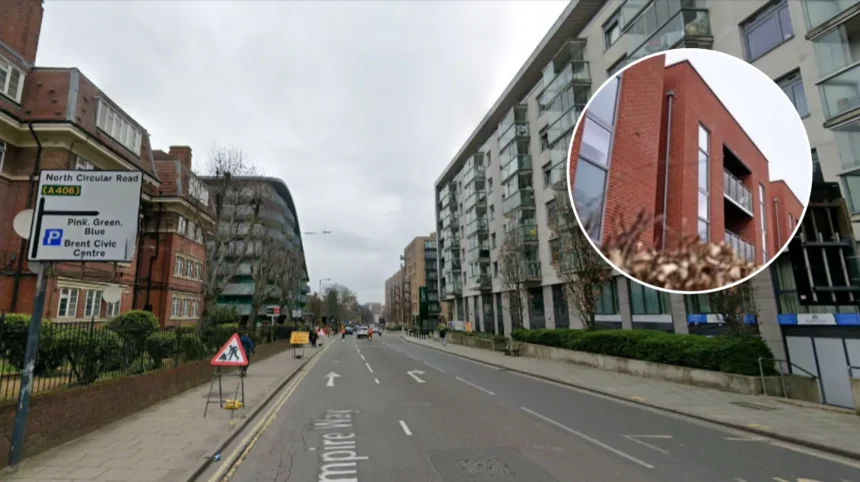
Brent, North London (North London News) February 7, 2026 – A controversial application to convert a property into an eight-room House in Multiple Occupation (HMO) for 16 residents stands among five similar proposals handled by Brent Council this week, as the borough grapples with a surge in shared housing demands.
- Key Points
- What Is the Latest HMO Application in Brent?
- Why Have Four HMO Applications Been Refused This Week?
- What Does the 16-Person HMO Proposal Entail?
- Who Is Calling for a Pause on HMO Approvals?
- How Are HMOs Addressing London’s Social Housing Shortfall?
- What Tougher Rules Are London Councils Introducing for HMOs?
- Why Is Brent Facing Such Pressure on Family Homes?
- What Broader Trends Are Emerging in North London?
- How Might This Week’s Decisions Impact Future Applications?
- What Can Residents Do to Influence HMO Outcomes?
The lead application seeks approval for an HMO that would significantly increase occupancy in a residential area already strained by housing pressures. Brent officials have rejected four other HMO bids in recent days, signalling a tough stance, while this fifth case remains undecided. Local voices are urging a complete halt to new approvals amid fears of eroding family housing stock.
What Is the Latest HMO Application in Brent?
The focal point of this week’s activity is the proposed conversion of a single property into an eight-room HMO designed to accommodate 16 people. This application, lodged recently, highlights the intensifying use of private rentals to fill gaps in social housing provision across North London. As detailed in initial council filings, the plan involves subdividing existing space to maximise lettings, a common tactic in high-demand areas like Brent.
Council records indicate that this is not an isolated case; four companion applications for shared houses were swiftly refused over the past few days. These refusals underscore Brent’s evolving policy on HMOs, where planners cite overcrowding risks, parking shortages, and neighbourhood impacts as key reasons for denial. The pending 16-person HMO now awaits scrutiny, with no timeline yet set for a verdict.
Why Have Four HMO Applications Been Refused This Week?
Brent Council’s rapid refusals of four HMO proposals reveal a pattern of regulatory caution. Each denial, processed within days, stems from concerns over inadequate amenities, fire safety lapses, and the potential loss of family homes in suburban streets. Planners have emphasised that applicants failed to demonstrate sufficient bin storage, noise mitigation, or compliance with updated licensing standards.
As reported in local planning updates, the refusals align with Brent’s broader strategy to curb unchecked conversions. Councillors have noted that HMOs often exceed sustainable occupancy levels, straining local services like waste collection and GP surgeries. This week’s actions follow a spate of similar rejections, positioning Brent as a frontline borough in London’s housing regulation battle.
What Does the 16-Person HMO Proposal Entail?
The standout application proposes transforming a standard residential property into an eight-bedroom HMO for 16 occupants, likely including shared kitchens, bathrooms, and lounges. Such large-scale HMOs target renters facing London’s exorbitant private sector costs, offering bedsits at lower per-person rates. However, critics argue this model prioritises profit over liveability.
Planning documents outline the layout: eight double-occupancy rooms, communal facilities, and minimal external alterations to preserve kerbside appearance. Brent’s planning portal lists the site in a typical North London neighbourhood, where terraced homes traditionally house families. If approved, it would join hundreds of existing HMOs, amplifying local debates on density.
Who Is Calling for a Pause on HMO Approvals?
Local campaigners and residents’ groups are vocally demanding an immediate moratorium on all HMO licences in Brent. These calls intensify as shared housing proliferates, with activists pointing to “street saturation” where entire blocks shift from families to transient renters. Community leaders argue that pausing approvals would allow time for a comprehensive review of impacts.
As echoed in resident submissions to the council, the plea stems from lived experiences: increased anti-social behaviour, parking chaos, and declining property values. Elected members have acknowledged these pressures, with some pledging to lobby for borough-wide restrictions. The push mirrors sentiments in neighbouring North London areas like Camden and Tottenham, where similar moratoriums are under discussion.
How Are HMOs Addressing London’s Social Housing Shortfall?
HMOs have surged in popularity as a makeshift solution to London’s acute social housing deficit, converting family homes into multi-let properties for low-income workers and migrants. In Brent, this trend fills voids left by stalled council builds and rising evictions. Proponents view HMOs as vital for affordability, housing hundreds who might otherwise face homelessness.
Yet, as noted in sector analyses, this reliance erodes family housing stock—vital for school catchments and community stability. Brent’s experience typifies North London, where private landlords adapt properties to meet demand, often skirting stringent oversight. The council’s recent refusals suggest a pivot towards balancing supply with sustainability.
What Tougher Rules Are London Councils Introducing for HMOs?
Across London, including Brent, councils are drafting stringent HMO regulations to elevate standards and safeguard communities. Proposals include mandatory licensing for all shared houses, irrespective of size, alongside rigorous fire risk assessments and minimum room sizes. These measures aim to weed out substandard operations notorious for poor maintenance.
As reported by housing experts, enhanced rules would mandate energy efficiency upgrades and limits on conversions per street. Brent is actively consulting on an Article 4 Direction to remove permitted development rights for HMOs, requiring full planning permission. This aligns with mayoral guidance urging boroughs to protect family homes from “HMO creep.”
Why Is Brent Facing Such Pressure on Family Homes?
Brent’s North London location amplifies housing strains, with high immigration, student populations, and job markets drawing renters en masse. Family-sized properties are prime targets for HMO flips, as landlords chase higher yields from multiple tenancies. This week’s five applications exemplify the volume overwhelming planners.
The borough’s refusal rate—now over 80% for contentious HMOs—reflects resident backlash and councillor mandates. Data from Brent’s planning committee shows a 25% rise in HMO bids year-on-year, correlating with a 15% drop in family house sales. Without intervention, warn observers, traditional suburbs risk transformation into rental enclaves.
What Broader Trends Are Emerging in North London?
Neighbouring boroughs like Camden, Tottenham in Haringey, and Ealing report parallel HMO booms, with councils uniting for regional controls. London’s 2025 housing strategy flagged HMOs as a double-edged sword: essential yet disruptive. Brent’s actions this week position it as a test case for resistance.
Stakeholders, from the National Residential Landlords Association to Shelter, debate the merits. Landlords defend HMOs as necessity-driven, while charities highlight tenant vulnerabilities like exploitation and disrepair. As Brent deliberates its fifth application, the outcome could set precedents for North London’s shared housing landscape.
How Might This Week’s Decisions Impact Future Applications?
The refusal of four HMOs sends a clear deterrent signal to speculative developers, potentially cooling submissions in Brent. Should the 16-person proposal follow suit, it would bolster calls for a full pause, prompting emergency cabinet motions. Approvers, conversely, might invite legal challenges from applicants citing human rights to shelter.
Planning officers are compiling a report for councillors, factoring in this week’s cluster. Early indications suggest heightened scrutiny, with site visits and neighbour consultations now standard. For residents, the saga underscores the need for proactive policy, lest HMOs redefine Brent’s residential character irrevocably.
What Can Residents Do to Influence HMO Outcomes?
Brent encourages public engagement via its online planning portal, where objections or supports shape decisions. Residents have successfully overturned proposals through evidenced submissions on traffic, noise, and heritage. Councillor surgeries offer direct access to decision-makers.
As campaigns gain traction, petitions for HMO caps circulate borough-wide. Joining residents’ associations amplifies voices, as seen in recent refusals credited to collective action. With the 16-person HMO pending, timely input remains crucial.