Key Points
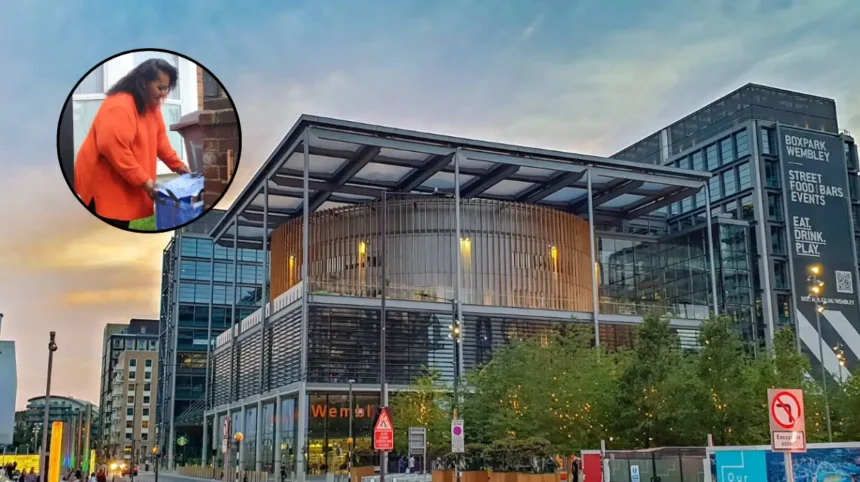
- Brent Council in North London says its recycling performance is “not good enough and must improve” and is planning to roll back the blanket use of blue sacks for card and paper.
- The blue-sack scheme, introduced in 2023, required residents with blue-lidded bins to separate card and paper from other recycling items.
- Opposition councillors accuse Brent of “wasting three years” and claim the scheme has caused some residents to stop recycling altogether.
- The move comes amid wider national changes to household recycling rules in England known as “Simpler Recycling”, which begin on 31 March 2026 and require separate collection of food and garden waste and paper and card.
- London’s recycling rate has been stuck at around 33% for more than a decade, with some boroughs facing particular challenges in waste management and resident engagement.
- Some London residents have described current waste systems as a “nightmare”, with confusion and operational problems leading to frustration and reduced recycling behaviour.
- The council’s rollback of blue sacks is not a suspension of recycling but a recalibration of how paper and card are collected, in light of poor performance and resident feedback.
- The decision raises questions about how local authorities can balance national rules, operational efficiency, and resident behaviour when designing recycling systems.
Brent (North London News) July 9, 2026 – Brent Council is planning to roll back the blanket use of blue sacks for card and paper recycling after admitting that its recycling performance is “not good enough and must improve”, according to reporting by the London Evening Standard. The council’s concession follows criticism from opposition councillors who claim the three-year blue-sack scheme has caused some residents to stop recycling altogether and accused the authority of “wasting three years”.
- Key Points
- What Exactly Is Changing in Brent’s Recycling System?
- Why Are Opposition Councillors Saying Three Years Have Been Wasted?
- How Does This Fit With National Simpler Recycling Rules?
- What Background Exists Behind Brent’s Blue-Sack Recycling Scheme?
- How Could This Development Affect Brent Residents and Other North London Households?
The blue-sack system, introduced in 2023, required residents with blue-lidded bins to separate card and paper from other recycling items, creating an additional layer of sorting for households across the borough. Council officials now say that the scheme has not delivered the expected improvements in recycling performance and that the current approach must change to increase participation and reduce confusion.
As reported by the London Evening Standard, opposition councillors have argued that the rigid requirements of the blue-sack system have led to frustration among residents, with some stating that they have stopped recycling rather than continuing to navigate a system they find unnecessarily complicated.
The council has not released detailed statistics on how many residents have stopped recycling, but the opposition’s claims are being used to justify the need for a fresh approach to paper and card collection.
The decision to roll back the blanket use of blue sacks comes at a time when national recycling rules in England are being updated under the government’s Simpler Recycling programme, which mandates separate collection streams for food and garden waste and for paper and card from 31 March 2026.
Local authorities across London are reviewing their systems to align with these new requirements while also addressing resident concerns about complexity and practicality.
Brent Council has not announced a specific date for when the blue-sack rollback will take effect, but it has indicated that the change will be part of a broader review of how paper and card are collected in the borough.
The council stresses that the move is not about reducing recycling ambition, but about creating a system that residents are more willing and able to use consistently.
The issue reflects broader challenges in London, where the capital’s recycling rate has remained around 33% for more than a decade despite repeated policy changes and new initiatives.
Some residents in London boroughs have described current waste collection systems as a “nightmare”, citing confusion, inconsistent collection practices, and operational failures as key reasons for frustration.
What Exactly Is Changing in Brent’s Recycling System?
Under the current blue-sack model, residents with blue-lidded bins must place card and paper into dedicated blue sacks, while other recyclables such as plastic, metal, and glass remain in the main recycling bin.
The proposed rollback would remove the blanket requirement for blue sacks across the borough, meaning that card and paper could be collected in a different way, potentially alongside other dry recyclables or in a new single-stream arrangement.
The council has not yet specified the exact alternative collection method, but officials say that the change will be designed to reduce the number of steps residents must take to recycle and to make the system more straightforward to follow.
This could mean merging paper and card with other dry recyclables in a single bin, or introducing a different type of container that is easier for residents to use consistently.
As reported by the London Evening Standard, the council’s admission that its recycling performance is “not good enough” comes after internal reviews and resident feedback highlighted problems with compliance and engagement under the blue-sack scheme.
The authority says that the new approach will be tested and monitored to ensure that it leads to higher recycling rates and fewer instances of residents stopping recycling altogether.
Why Are Opposition Councillors Saying Three Years Have Been Wasted?
Opposition councillors in Brent have accused the council of “wasting three years” by implementing and maintaining a blue-sack system that they argue has not delivered clear improvements in recycling performance.
They claim that the scheme has created unnecessary complexity for residents and that the resulting frustration has led some households to stop recycling entirely.
As reported by the London Evening Standard, opposition members have pointed to anecdotal evidence from residents who say they feel overwhelmed by the additional sorting required and have chosen to dispose of all waste in general bins rather than continue with the blue-sack system.
While the council has not provided official figures on how many residents have stopped recycling, opposition councillors argue that the scale of the problem is significant enough to justify a rapid change in policy.
The opposition’s criticism is also political in nature, with council members using the issue to highlight what they see as poor decision-making and a lack of responsiveness to resident concerns.
They argue that the council should have listened to feedback earlier and adjusted the system before reaching a point where official performance is described as “not good enough”.
How Does This Fit With National Simpler Recycling Rules?
The Simpler Recycling programme, introduced by the UK government, requires waste collectors in England to separately collect food and garden waste and paper and card from 31 March 2026.
The intention is to simplify household recycling by creating clear, distinct streams that are easier for residents to understand and for councils to process efficiently.
Brent’s decision to roll back the blanket use of blue sacks is part of a local response to both national requirements and local realities.
While the national rules still require separate collection of paper and card, they do not mandate that this must be done through blue sacks specifically.
This means Brent can choose a different method for separating paper and card that it believes will achieve higher participation and better performance.
As noted in guidance on Simpler Recycling for London households, councils areexpected to adapt their existing systems to comply with the new rules while also addressing resident concerns about complexity and practicality.
Brent’s move suggests that the authority is prioritising resident engagement and operational simplicity over maintaining a specific container type that has not delivered the desired outcomes.
Explore More Brent Council News
Brent Council Issues Staggering £11m School Street Driving Fines: Brent 2026
Cllr Muhammed Butt Backs Gambling Shop Crackdown in Brent, North London 2026
What Background Exists Behind Brent’s Blue-Sack Recycling Scheme?
The blue-sack recycling scheme was introduced in Brent in 2023 as part of a wider effort to improve the separation of paper and card from other recyclables in the borough.
The policy required residents with blue-lidded bins to place card and paper into dedicated blue sacks, creating an additional sorting step that was intended to increase the quality and quantity of paper recycling.
At the time of introduction, the council argued that separating paper and card would help improve recycling performance and reduce contamination in other streams.
However, after three years, internal reviews and opposition scrutiny have concluded that the scheme has not delivered the expected results and that the added complexity has led to frustration among some residents.
The background to the scheme also includes broader pressures on London boroughs to meet recycling targets and adapt to evolving national standards, with many councils struggling to maintain or increase recycling rates amid changing resident behaviour and operational challenges.
Brent’s decision to roll back the blue sacks reflects a recognition that the original design of the scheme may not have aligned well with how residents actually recycle in practice.
How Could This Development Affect Brent Residents and Other North London Households?
For Brent residents, the rollback of the blue-sack requirement could make recycling simpler and less burdensome, potentially encouraging households that previously stopped recycling to resume participation. If the new system reduces the number of sorting steps and clarifies what goes where, it may lead to higher recycling rates and fewer instances of contamination in waste streams.
However, the change also carries risks: if the new arrangement is not clearly communicated or if collection practices are inconsistent, residents may remain confused and continue to recycle at low levels or stop altogether.
The council will need to invest in communications, education, and possibly infrastructure changes to ensure that the new system is understood and used correctly.
For other North London households, Brent’s decision may act as a signal that local authorities are willing to revisit and adjust recycling systems that do not work in practice, even after several years of implementation.
As more boroughs align with the national Simpler Recycling rules, residents across North London may see similar changes in how paper and card are collected, with a focus on simplicity and resident engagement rather than rigid container requirements.
Ultimately, the development highlights the importance of designing recycling systems that fit residents’ habits and capacities, rather than expecting households to adapt to complex schemes that may discourage participation.
If Brent’s new approach leads to higher recycling rates and improved resident satisfaction, it could provide a model for other councils facing similar challenges in improving recycling performance while maintaining public support.