Key Points
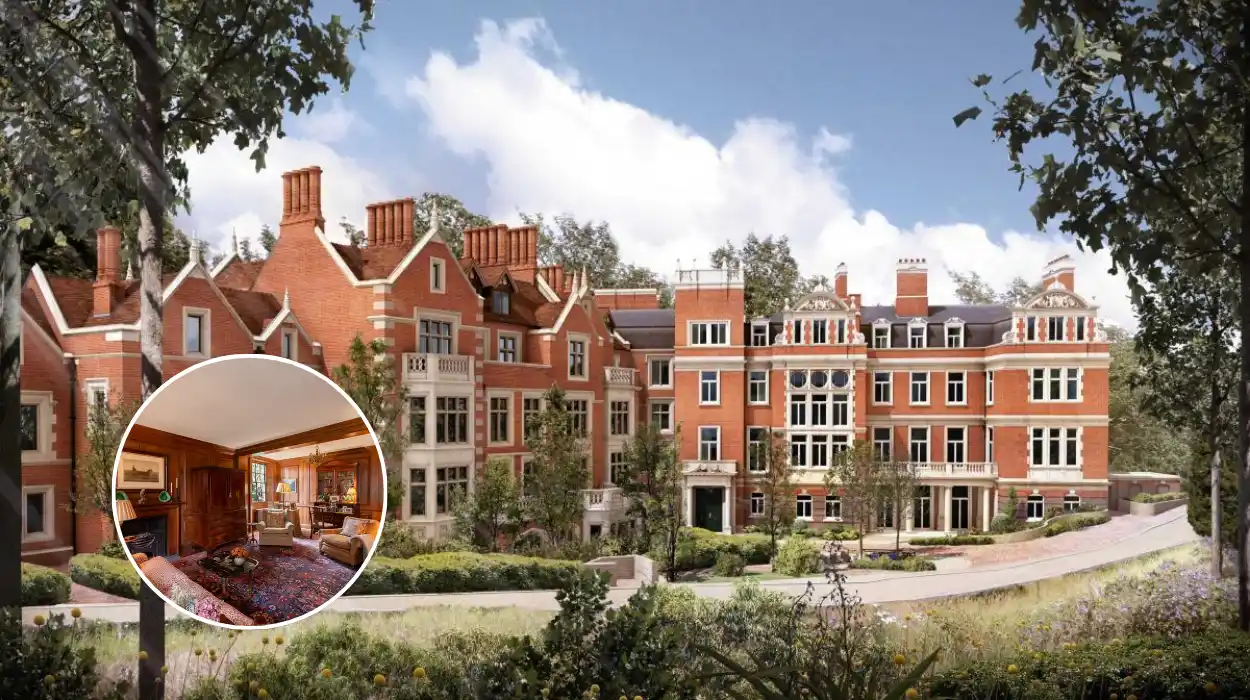
- The six-bedroom Grade II-listed Cloth Hill mansion in Hampstead, north London, is on the market with a guide price of £18,000,000.
- Built in the 1690s by Quaker cloth merchant William Beech, it is the second oldest house in Hampstead, just behind the National Trust’s 1693 Fenton House.
- The property boasts original features including wooden panelling, fireplaces, hand-carved staircases, and sash windows, giving it a timeless 17th-century feel.
- Historic links include a visit by French philosopher Voltaire in 1728 to Andrew Pitt, Beech’s son-in-law, and ownership by portrait painter George Romney in 1796, plus depiction by Ford Madox Brown in the 19th century.
- Located on The Mount, a narrow single-track road in Hampstead Village, it offers proximity to Hampstead Heath’s 800 acres and the village amenities.
- Walled gardens enclose nearly the entire property, featuring lawns, walks, a patio, and a historic fountain.
- Modern additions include a light, spacious open-plan kitchen, games room, office, and snug, following refurbishments by recent owners.
- Current or recent owners, retired American lawyer Tom and his wife Barbara, purchased it in the early 1990s after renting locally; they raised four children there and undertook sympathetic renovations with English Heritage.
- Only three owners in the past 140 years; the house retains Georgian paint colours used as reference post-Uppark fire.
- Listed for sale via agents like Marcus Parfitt and Savills, described as a “piece of Hampstead history” and an “architectural time machine”.
What Makes Cloth Hill a Time Capsule?
Cloth Hill stands as a rare survivor from the late 17th century in the heart of Hampstead. As reported by Francesca Peacock of the Financial Times property listings, this Queen Anne-style property was constructed in the 1690s by Quaker cloth merchant William Beech. Its name derives from laundresses who used the area’s fresh water for washing, according to historical accounts.
- Key Points
- What Makes Cloth Hill a Time Capsule?
- Who Are the Famous Figures Tied to Cloth Hill?
- How Did Voltaire’s Visit Unfold?
- What Original Features Define the Interior?
- Who Owned Cloth Hill Recently and What Changes Did They Make?
- What Draws Buyers to the Walled Gardens?
- Why the Hefty £18m Price Tag?
- Where Exactly Is Cloth Hill Located?
The Grade II*-listed mansion spans four floors with six bedrooms, preserving an array of original features. Pictures shared across listings reveal intricate wooden panelling, multiple fireplaces, and two hand-carved staircases that evoke the era of its construction. Sash windows, once bricked up, have been meticulously restored, framing views of foliage and neighbouring Georgian houses on Heath Street.
As noted in MyLondon’s coverage on the north London property scene, the house appears “stuck in time,” offering a window into late 17th-century life amid modern Hampstead. Barbara, wife of the recent owner Tom, remarked that “everything that surrounds us is Georgian as well,” highlighting the seamless historical immersion.
Who Are the Famous Figures Tied to Cloth Hill?
Cloth Hill’s rich history draws luminaries from across centuries. Wikipedia’s entry on the property confirms it served as the residence of William Beech shortly after completion, with Voltaire visiting Andrew Pitt, Beech’s son-in-law, in 1728.
In 1796, portrait painter George Romney acquired the house, cementing its artistic pedigree. Ford Madox Brown later immortalised it in a 19th-century painting, as detailed by Francesca Peacock of the Financial Times. Country Life reports that distinguished visitors, including Voltaire, soon “darkened the door” of Cloth Hill during Beech’s tenure.
These connections underscore the property’s status among Hampstead’s elite heritage sites. The house’s paper trail, including a 1893 garden photograph of the then-occupants and servants, further enriches its narrative, as uncovered by owners Tom and Barbara.
How Did Voltaire’s Visit Unfold?
Voltaire’s 1728 stay at Cloth Hill came during a visit to Andrew Pitt. As per Country Life’s archival piece, the philosopher engaged with the Pitt family amid the house’s early prominence. This episode marks one of the earliest high-profile associations, blending intellectual discourse with the property’s Quaker roots.
What Original Features Define the Interior?
Buyers snapping up Cloth Hill will inherit a treasure trove of period details. Listings on Zoopla and agent sites emphasise original wooden panelling and fireplaces across its four floors. Two staircases, hand-carved with precision, facilitate movement between levels, while restored sash windows flood interiors with natural light.
Modern comforts blend seamlessly. A light and spacious open-plan kitchen opens to gardens, alongside a games room, office, and cosy snug. MyLondon highlights these as key draws, preserving the “unique look” while adapting for contemporary living.
Refurbishments respected heritage. Tom and Barbara applied true Georgian paint colours to panelling—shades so authentic that National Trust experts referenced Cloth Hill after the Uppark fire for matching. Plumbing, heating, and rewiring were upgraded without compromising the aesthetic.
Who Owned Cloth Hill Recently and What Changes Did They Make?
The past 140 years saw just three owners, a testament to its enduring appeal. Francesca Peacock of the Financial Times profiles retired American lawyer Tom and his wife Barbara, who bought Cloth Hill in the early 1990s after over a decade renting nearby.
Drawn by its Queen Anne proportions and Georgian features, the couple had spent weekends touring National Trust properties from their prior Edwardian home. They raised four children there, transforming it into a family haven. Barbara noted the sash window views: only foliage and Georgian neighbours in sight.
Post-purchase, they launched a full refurbishment with English Heritage oversight. Essentials like rewiring and plumbing preceded sympathetic interior work. Tom explained the rationale for a rear extension with family kitchen:
“If [English Heritage] hoped to have it survive another 300 years, they had to incentivise people to put money and effort into keeping it up. And to do that, you had to make it liveable.”
What Draws Buyers to the Walled Gardens?
Cloth Hill’s gardens wrap nearly the entire property in secure, walled seclusion. Lawns, walks, a patio, and historic fountain create a private oasis, as pictured in Zoopla listings. Part of the land once bore a separate address, spared development to enhance the estate’s expanse.
Mature trees and plantings align with 17th-century origins. The 1893 family-servant photo, found by Tom and Barbara, captures this space in Victorian times. Just beyond lies Hampstead Village and 800 acres of Hampstead Heath parkland.
Marcus Parfitt’s listing places it on The Mount, a steep single-track road from Heath Street, central to village life yet shielded. Savills’ Facebook post dubs it “a piece of Hampstead history,” with one of the area’s largest homes nearby previously listed at £46.5m.
Why the Hefty £18m Price Tag?
The guide price stands at £18,000,000, reflecting scarcity and prestige. Marcus Parfitt Estate Agents in Hampstead confirm this figure, positioning Cloth Hill as a premium acquisition in NW3.
Its Grade II* status, historical provenance, and location justify the cost. Only the second oldest Hampstead house, it rivals Fenton House. Recent owners’ investments ensure liveability without eroding charm.
As MyLondon reports, the “wild price tag” accompanies a property linked to Voltaire and Romney, now blending period authenticity with family-ready spaces. Proximity to central London amplifies value, offering country-estate scale in an urban setting.
Where Exactly Is Cloth Hill Located?
Nestled in Hampstead Village’s core, Cloth Hill sits on The Mount. This narrow, inclining single-track road runs from Heath Street, providing quiet access amid buzz.
Outside the walls: Hampstead Heath’s vast parkland and village shops. MyLondon ties it to broader north London property allure, with Hampstead-specific coverage. Savills notes its historical weight in marketing.