Key Points
- Camden Council (Labour-run) approved plans for a £1bn “Camden Film Quarter” in Kentish Town, north London
- The development will include 11 sound stages, education spaces for over 500 students, and 485 new homes (243 affordable)
- Built on brownfield land at Regis Road, almost a decade after the area was first earmarked for redevelopment
- Developer Yoo Capital promises 1,365 construction and operations jobs and calls the studios “world class”
- The Green Party (opposition) labelled the scheme a “monstrosity”; 441 residents and local groups objected over scale, environmental impact, and construction disruption
- The scheme includes new cycle lanes, pedestrian routes, public parks, and on-site education at the National Film and Television School (NFTS) and London Screen Academy
- Housing provider Places for People will deliver the 243 affordable homes; 60% of those will be at social rent or London Affordable Rent
- The project aims to establish Kentish Town as a “new centre for the creative industries” in inner London
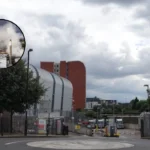
Kentish Town (North London News) June 22, 2026 – Plans for a £1bn “world class” film and television studio complex in north London have been officially approved, marking a major milestone for the creative industries in inner London. The Labour-run Camden Council gave the green light to the Camden Film Quarter, a mixed-use development on brownfield land in Kentish Town almost a decade after the authority first earmarked the area for redevelopment.
- How many new homes and affordable housing units will the Camden Film Quarter deliver?
- What jobs and economic benefits will the Camden Film Quarter create for Kentish Town?
- Why did the Green Party and hundreds of residents object to the Camden Film Quarter?
- What public spaces and infrastructure improvements will accompany the film quarter?
- Which organisations and institutions are involved in delivering the Camden Film Quarter?
- How has the Camden Film Quarter development evolved over the past decade?
- How could the Camden Film Quarter affect residents, workers, and creative industry professionals in north London?
The scheme will incorporate 11 sound stages, education spaces for more than 500 students from the National Film and Television School and the London Screen Academy, and hundreds of new residences.
Developer Yoo Capital, the firm behind the Olympia Exhibition Centre and Sky Garden projects, said the film and TV studios would deliver both commercial and public benefits.
How many new homes and affordable housing units will the Camden Film Quarter deliver?
The development will deliver 485 new homes, with 243 of those classed as affordable housing, according to statements from the developer and council documentation.
Housing provider Places for People will be responsible for delivering the 243 affordable homes as part of the wider neighbourhood plan.
Of the affordable homes, 60% will be delivered at social rent or London Affordable Rent, targeting lower-income households in the area.
The masterplan includes the construction of over 1,000 new homes in total, with 50% designated as affordable housing, though the approved residential component specifically confirms 485 units.
What jobs and economic benefits will the Camden Film Quarter create for Kentish Town?
Yoo Capital says the project will create 1,365 construction and operations jobs, establishing Kentish Town as a
“new centre for the creative industries”.
The developer describes the studios as “world class” and emphasises that they will support the UK’s thriving film industry by creating inner London’s first significant film studio campus.
The development is expected to boost employment opportunities for local people in the creative industries, in addition to construction jobs during the build phase.
The scheme also includes on-site education spaces, which will provide training and learning opportunities for students from the National Film and Television School and the London Screen Academy.
Why did the Green Party and hundreds of residents object to the Camden Film Quarter?
The Green Party, which sits as the opposition on Camden Council, called the scheme a “monstrosity”. A total of 441 residents and local groups objected to the development over concerns about its scale, environmental impact, and the disruption caused during construction.
Critics highlighted the size of the development and potential environmental consequences, including effects on local green space, traffic, and air quality.
Construction disruption was also a major concern for neighbours, given the scale of work required on the brownfield site in Kentish Town.
Despite these objections, Camden Council approved the plans, focusing on the commercial and public benefits promised by Yoo Capital, including affordable housing, jobs, and creative industry infrastructure.
What public spaces and infrastructure improvements will accompany the film quarter?
The scheme will include new cycle lanes, pedestrian routes, and public parks as part of its masterplan. These improvements are designed to enhance local connectivity and provide new recreational space for residents in Kentish Town.
The development is built on brownfield land at Regis Road in Kentish Town, meaning it does not consume new greenfield sites.
The inclusion of cycle lanes and pedestrian routes aligns with broader efforts to improve sustainable transport options in north London.
Public parks within the site will be open to residents and are intended to complement the existing local green space network.
Which organisations and institutions are involved in delivering the Camden Film Quarter?
Yoo Capital is the developer behind the Camden Film Quarter, with a track record including the Olympia Exhibition Centre and Sky Garden projects. The firm is responsible for the overall masterplan and delivery of the studio complex, homes, and public spaces.
Housing provider Places for People will deliver the 243 affordable homes as part of the wider neighbourhood. The National Film and Television School (NFTS) and the London Screen Academy will use the on-site education spaces, which will accommodate more than 500 students.
Camden Council, led by the Labour party, approved the development after almost a decade of planning for the Kentish Town site. The Green Party remains the council’s opposition and has formally criticised the scheme.
How has the Camden Film Quarter development evolved over the past decade?
The Camden Film Quarter is being built on brownfield land in Kentish Town, almost a decade after Camden Council first earmarked the area for redevelopment.
The site at Regis Road was identified as suitable for a major mixed-use development that could support the capital’s growing screen industry.
Over the years, the proposal went through multiple planning iterations, with the developer refining the design to address concerns about scale, housing, and environmental impact.
The final approved plan includes 11 sound stages, education spaces, public parks, cycle lanes, and 485 new homes, of which 243 are affordable.
The approval by Labour-run Camden Council in June 2026 marks the culmination of nearly ten years of planning work, objections, and negotiations between the developer, council, residents, and opposition parties.
The project is now set to transform Kentish Town into a major hub for film and television production in inner London.
How could the Camden Film Quarter affect residents, workers, and creative industry professionals in north London?
For residents in Kentish Town and surrounding north London neighbourhoods, the development will bring 485 new homes, including 243 affordable units, potentially increasing housing availability for local and lower-income households. However, the scale of construction and the size of the complex may also lead to temporary disruption, increased traffic, and changes to the local environment during the build phase, concerns raised by 441 objectors.
The creation of 1,365 construction and operations jobs could provide employment opportunities for local people, both during the building phase and in the long term as the studios operate.
New cycle lanes, pedestrian routes, and public parks may improve local connectivity and quality of life, though these benefits will depend on how well the infrastructure is integrated with existing streets and neighbourhoods.
For workers in the creative industries, the Camden Film Quarter will establish inner London’s first significant film studio campus, offering new production facilities close to central London.
The 11 sound stages and education spaces for more than 500 students from the National Film and Television School and the London Screen Academy could strengthen training and career pathways in film and television.
The project is positioned to make Kentish Town a “new centre for the creative industries”, potentially attracting more screen-related businesses and talent to north London.
This could boost the local creative economy, increase demand for related services, and create a concentration of film and TV activity in the area.
For students and educational institutions, the on-site education spaces will provide dedicated facilities for NFTS and London Screen Academy students, enhancing practical learning in a professional studio environment.
This could improve the quality of training and provide closer links between education and industry.
Overall, the Camden Film Quarter is likely to reshape Kentish Town’s economic and social landscape, balancing new housing, jobs, and creative infrastructure against concerns about scale, environmental impact, and construction disruption.