Key Points
- Thousands of Londoners flocked to Hampstead Heath during a record-breaking May heatwave, with temperatures reaching 35C over the bank holiday weekend
- People were pictured swimming in non-swimming ponds designated as wildlife sanctuaries for swans, cygnets, ducklings, and other wildlife
- Peak nesting season is underway, with eggs waiting to hatch and ducklings and chicks only days old, whose habitat has been disturbed
- Alderman Gregory Jones KC called the behaviour “utterly appalling” and “completely unacceptable,” warning swimmers face fines or arrest
- Park rangers have erected new signs warning against swimming in undesignated areas and are cracking down on “selfish” swimmers
- The Heath has 30 ponds, but only three are designated for swimming: Mixed Pond, Ladies’ Pond, and Men’s Pond
- Unsupervised ponds have uneven banks, varying depths, and hazards, including reeds, weeds, and objects on the bottom
- Long queues at designated swimming ponds amid the heat led many to cool off in banned areas
- The RSPB warned that disturbance can make parent birds abandon nests, putting eggs and chicks at risk
- Local residents and nature groups are calling on the City of London to implement “robust enforcement”
- One swimmer was photographed sticking her middle finger up while swimming in the wildlife pond
- Nine people, including seven teenagers, have died after getting into trouble in the water during this heatwave
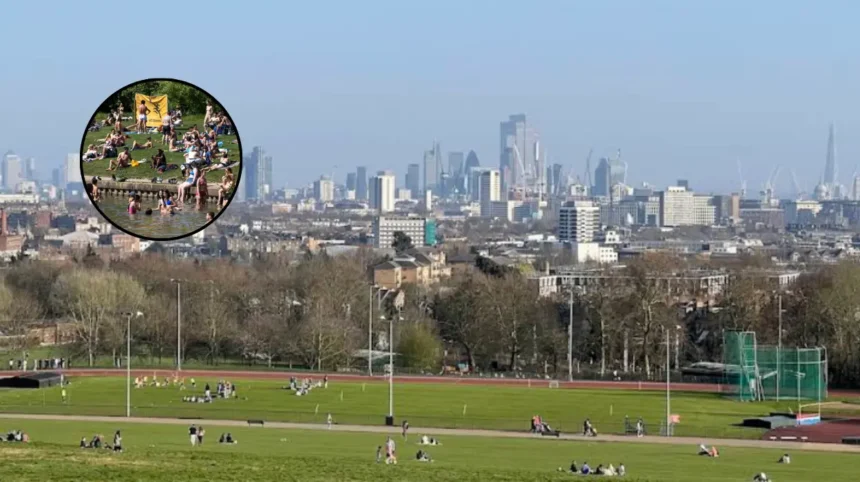
Hampstead (North London News) May 30, 2026 – Thousands upon thousands of people flocked to lidos to cool off as a sweltering heatwave hit London this week, with temperatures soaring to 35C during the bank holiday weekend, while others chose to take a dip in ponds at Hampstead Heath, where scenes sparked outrage. People were pictured in the non-swimming ponds over the bank holiday weekend, which are designated wildlife sanctuaries for swans and other wildlife in the area.
- Key Points
- Why Are Locals Angry About the Swimmers?
- What Do the Rules Say About Swimming at Hampstead Heath?
- What Impact Is This Having on Wildlife?
- What Enforcement Actions Are Being Taken?
- What Are Swimmers Saying About the Situation?
- What Do Local Residents Think?
- Background of the Development
- How Will This Development Affect Londoners and Wildlife Enthusiasts?
As reported by Peter Stevens of GB News, newly hatched cygnets were seen desperately trying to avoid swimmers encroaching on their habitat during the scorching Bank Holiday weekend. The heatwave resulted in the hottest British May day on record, raising fears over wildlife after footage of antisocial behaviour in Hampstead Heath sparked fury.
Why Are Locals Angry About the Swimmers?
Pictures and videos shared on social media triggered angry residents to hit back, calling on the City of London to do more to prevent swimmers from accessing these ponds. To make matters worse, it is peak nesting season with eggs waiting to hatch and ducklings and chicks that are only a few days old whose habitat has now been disturbed.
As reported by the BBC, Alderman Gregory Jones KC remarked that wading in the lifeguard-free ponds poses a serious threat to wildlife habitats and can also be perilous for people. Jones stated,
“The recent behavior of some guests swimming in non-lifeguarded ponds is completely unacceptable”.
He emphasized that swimming is permitted only in the Mixed, Ladies’, and Men’s Ponds for safety reasons.
According to The Standard, footage on social media over the weekend showed swans, coots, and moorhens desperately attempting to guard their eggs as their nests were trampled by reckless swimmers. In a post from local group Swans of Hampstead Heath, Londoners were seen paddling around in the wildlife pond, with one swimmer sticking her middle fingers up as she swam.
What Do the Rules Say About Swimming at Hampstead Heath?
Hampstead Heath is home to 30 ponds, but only three are dedicated for swimming. A spokesman for the City of London, which runs the Heath, said:
“Entering the non-swimming ponds is extremely dangerous and these ponds do not have lifeguards present”.
The unsupervised ponds have uneven banks, varying depths and hazards such as reeds, weeds and objects on the bottom.
He added:
“People wishing to swim on the Heath should only use one of the three designated bathing ponds and only within opening hours. These facilities have highly trained lifeguards trained to Royal Life Saving Society standard, and are safe areas to swim”.
As reported by The Telegraph, revellers have been warned that they face arrest if they turn Hampstead Heath wildlife ponds into a “party destination” during the heatwave. Alderman Gregory Jones KC, who chairs the City of London Corporation’s Hampstead Heath, Highgate Wood and Queen’s Park committee, said entering non-lifeguarded water bodies is against bylaws and causes significant harm to wildlife habitats.
What Impact Is This Having on Wildlife?
The wildlife account Swans of Hampstead Heath said:
“We are currently in peak nesting season. There are still eggs waiting to hatch, ducklings and chicks only days/weeks old, and for the first time in years, swans have successfully nested on this pond, with cygnets now just 13 days old”.
The account also noted that the scheme to dedicate a section of land as a wildlife sanctuary was backed by more than £50,000 in public donations.
The RSPB has urged swimmers to swim in authorised spaces and avoid the nature reserves. The charity said:
“Along with the dangers of swimming in unauthorised places, there is a significant risk of disturbing wildlife. Many species are already under huge pressure and disturbance can make a parent abandon their nest, putting eggs and chicks at risk”.
As reported by Bob Gibbs, Chair of Hampstead and Highgate Angling Society, called the behaviour “dreadful,” adding that news of swimming in the wildlife pond has “spread like wildfire”. Mr Gibbs warned:
“The swimmers stir up nitrate rich silt and the ponds turn into green soup because of algal bloom on the water”.
He added:
“It’s a fragile thing during spawning season when there’s eggs. Chicks will die”.
What Enforcement Actions Are Being Taken?
Hampstead Heath’s park rangers are cracking down on “selfish” swimmers disturbing wildlife at the bird sanctuary pond during the heatwave. Rangers have been spotted setting up new signs warning against swimming in undesignated areas after crowds of swimmers invaded the ponds in north London to cool down.
Alderman Gregory Jones KC said:
“We always seek to engage with visitors first, but the constabulary will take enforcement action where necessary, including issuing fines or making arrests”.
One witness told The Times police officers would arrive at the ponds and tell swimmers to leave, but would jump back in after authorities left.
What Are Swimmers Saying About the Situation?
One woman, who was swimming, said:
“We’re all human, and we all just want to be in the water with our friends, and there are bigger issues in the world to focus on”.
Another woman said:
“Why do you repackage water and make us buy it? It’s like nothing is free anymore and that’s not fair for us as well. We don’t want to pay for water and natural water that we find naturally. That makes no sense”.
One swimmer, Liz, travelled to the Heath with her daughter from Barnes. She said:
“It is awful, but there’s just not enough swimming stuff [in London]. Our summers are getting hotter and hotter and there aren’t enough places to cool off. And by the time the booking system comes into play in June, you won’t be able to swim here because you’ve got to book ahead”.
A spokesperson for Kenwood Ladies’ Pond Association told The Standard:
“Whatever the difficulties may have been in gaining access to a swim at one of the designated ponds, due to demand in the hot weather and cost, there is no justification for disturbing wildlife and in particular nesting birds”.
Nature campaigner and barrister Paul Powesland told The Guardian the actions by swimmers were an “inevitable consequence” of the “destruction of outdoor lidos and the poisoning of rivers” in London.
What Do Local Residents Think?
Oliver White, a local resident, labelled the behaviour “disgusting”. He said:
“It’s frustrating for everyone. Frustrating for people who work to preserve the Heath and for people who want to swim. It’s also probably annoying for people who swim where they’re supposed to”.
Lisa Bradley, who had come to sunbathe, said the swimmers were “ignorant,” noting the other ponds where swimming was allowed. Chris Swinden, a member of the Hampstead and Highgate Angling Society, voiced concerns about wildlife conservation and the risk to human life. He said:
“The real danger is the damage to big wildlife like swans”.
Two students from the US told The Standard that they had seen videos of swans moving their eggs to protect them on social media. One student said:
“It’s terrible. I guess the demand is so high that people are desperate”.
The group Swans of Hampstead Heath questioned whether “signage without meaningful enforcement” was enough to deter the swimmers. Nature groups and local residents have hit back at those flouting rules to cool down, begging authorities to take action.
With temperatures still in the high 20s on Friday (May 29), nobody was spotted in the water when MyLondon visited the ponds.
Explore More Hampstead News
Hampstead Heath Ponds Maintain Trans-Inclusive Access With Upgrades: Hampstead 2026
Hampstead Ponds Trans Access Challenge Dismissed by High Court 2026
Background of the Development
Hampstead Heath has long been a popular destination for Londoners seeking to cool off during summer months, with its three designated bathing ponds—Mixed Pond, Ladies’ Pond, and Men’s Pond—operating under a strict booking system introduced after Covid-19. The Heath’s 30 ponds include several designated wildlife sanctuaries, with one particular pond receiving over £50,000 in public donations to establish as a protected area for swans and other wildlife.
The current controversy stems from a perfect storm of factors: record-breaking May temperatures reaching 35C (the hottest British May day on record), the bank holiday weekend creating additional free time for visitors, and insufficient designated swimming capacity to meet demand. The booking system at Hampstead Heath has been at the centre of the park’s controversy since its introduction, with critics arguing there aren’t enough swimming facilities in London as summers get hotter.
Park rangers have historically relied on signage and voluntary compliance to prevent swimming in non-designated areas, but the scale of the recent incursions has prompted calls for “robust enforcement” from local angling societies and nature groups. The City of London Corporation, which manages Hampstead Heath, has bylaws prohibiting swimming in non-lifeguarded water bodies, with penalties ranging from fines to arrest for persistent offenders.
This incident follows a broader pattern of heatwave-related water safety concerns across London, with nine people, including seven teenagers, dying after getting into trouble in water during this heatwave. The Parliament Hill lido in Hampstead Heath was forced to close temporarily after a fight broke out amongst swimmers over the bank holiday weekend, further highlighting the pressures on designated swimming facilities.
How Will This Development Affect Londoners and Wildlife Enthusiasts?
This development will significantly affect Londoners seeking cooling opportunities during increasingly frequent heatwaves. With summers getting hotter and hotter, as noted by swimmer Liz from Barnes, the lack of adequate swimming facilities means more people may attempt to swim in unauthorised areas. The booking system that operates during summer months may not come into play until June, leaving a gap where demand exceeds capacity.
For regular swimmers who use designated ponds, this incident could result in stricter access controls, enhanced enforcement, and potentially longer queues as authorities crack down on unauthorised swimming. The Kenwood Ladies’ Pond Association emphasised that “whatever the difficulties may have been in gaining access” to designated ponds, there is “no justification for disturbing wildlife,” suggesting that legitimate swimmers may face increased scrutiny.
Wildlife enthusiasts and nature conservationists will likely see continued habitat disturbance during critical nesting seasons, with parent birds potentially abandoning nests due to human interference. The RSPB’s warning that disturbance can make parents abandon nests puts eggs and newly hatched cygnets at direct risk. For the Swans of Hampstead Heath group, which has invested significant effort in protecting this wildlife sanctuary, the incident represents a setback to conservation efforts backed by over £50,000 in public donations.
Local residents who value Hampstead Heath as a peaceful natural space will face continued disruption if enforcement proves ineffective, as one witness noted that swimmers would “jump back in after authorities left”. The “frustration for everyone” described by resident Oliver White suggests that the current situation dissatisfies all stakeholder groups.
The incident may prompt the City of London Corporation to invest in additional enforcement resources, potentially including more park rangers, improved signage, and enhanced monitoring systems. This could lead to increased costs for the corporation and potentially higher fees for designated pond access.
For vulnerable populations, particularly teenagers and inexperienced swimmers, the crackdown may actually improve safety outcomes. With nine people already dying after getting into trouble in the water during this heatwave, including seven teenagers, the dangers of unsupervised swimming are clear. The uneven banks, varying depths, and hazards in non-designated ponds pose serious risks to human life.
The broader implication for Londoners is that climate change and increasingly frequent heatwaves will continue to test the city’s recreational water infrastructure. Nature campaigner Paul Powesland’s observation that this behaviour is an “inevitable consequence” of “destruction of outdoor lidos and the poisoning of rivers” suggests that without significant investment in legal swimming facilities, unauthorised swimming will persist. Londoners may need to accept that during extreme heat events, access to cooling water will remain constrained unless the city addresses the underlying capacity shortage.