Key Points
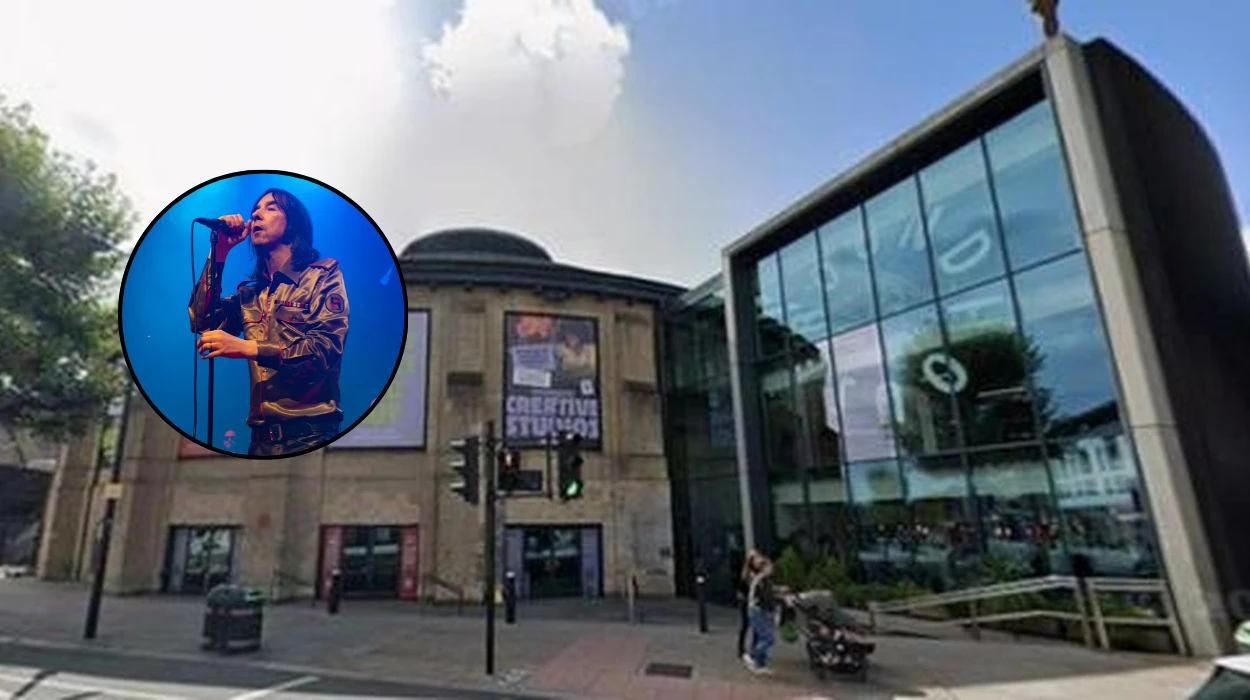
- The Roundhouse music venue in Camden, north London, issued a public apology to fans and the Jewish community after alleged antisemitic imagery was displayed during a Primal Scream concert on Monday evening.
- The imagery included a video screened on stage showing the Star of David entwined with a swastika, alongside an image of Israeli Prime Minister Benjamin Netanyahu with the Star of David combined with a swastika in his eyes.
- Additional slogans displayed included “stop genocide”, “free Palestine”, and “our government is complicit”.
- The Community Security Trust (CST) reported the incident to the Metropolitan Police (Met Police).
- Primal Scream, the Glasgow-based rock band, described the film as “a piece of art” in an Instagram post on Friday, without specifying if it referred to the controversial video.
- The Met Police confirmed they were contacted after the band performed their 2000 song “Swastika Eyes” during the one-off gig, with pictures of political figures appearing in the backdrop; officers are assessing the video to determine if an offence was committed.
- Roundhouse managers stated they “deeply regret” the “highly offensive” graphics, which were shown entirely without their knowledge, and condemned antisemitism in every form.
- The venue expressed solidarity with the Jewish community and commitment to safe spaces.
- BBC has contacted Primal Scream for further comment.
What Happened at the Primal Scream Concert?
The controversy erupted during a one-off gig by the Glasgow rock band Primal Scream at the Roundhouse. As reported across multiple outlets, the band performed their 2000 track “Swastika Eyes”, during which pictures of political figures appeared on a large backdrop screen.
- Key Points
- What Happened at the Primal Scream Concert?
- Why Did the Roundhouse Apologise?
- What Is Primal Scream’s Response?
- What Is the Police Investigation About?
- Who Reported the Incident to Police?
- What Song Was Playing During the Incident?
- Is This Imagery Linked to Broader Protests?
- How Has the Jewish Community Responded?
- What Is the History of Primal Scream?
- Venue’s Stance on Hate Speech?
- Potential Legal Consequences?
- Fan Reactions to the Concert?
- Broader Context of Antisemitism at Gigs?
- What Happens Next for the Roundhouse?
- Primal Scream’s Future Performances?
A video screened on stage appeared to show the Star of David entwined with a swastika. Separately, an image of Israeli Prime Minister Benjamin Netanyahu depicted the Star of David combined with a swastika in his eyes. Slogans such as “stop genocide”, “free Palestine”, and “our government is complicit” were also projected.
The Community Security Trust (CST), a charity that protects British Jewish communities, reported the matter to the Metropolitan Police. This swift action highlighted concerns over potential hate speech at the event.
Why Did the Roundhouse Apologise?
In a formal statement, a spokesperson for the Roundhouse expressed strong remorse. As per the venue’s official release covered by various media, the spokesperson said:
“We deeply regret that these highly offensive images were presented on our stage and unequivocally apologise to anyone who attended the gig, and to the wider Jewish community. The content, which was used entirely without our knowledge, stands against all of our values.”
The statement continued, emphasising the venue’s stance against prejudice. The spokesperson added:
“We condemn antisemitism in every form. Acts of hatred, discrimination or prejudice of any kind are entirely unacceptable and have no place in our community or spaces. We stand in solidarity with the Jewish community and remain committed to ensuring that our spaces are places where everyone feels secure, respected and valued.”
The Roundhouse described itself as “appalled” by the display, underscoring that the graphics were unauthorised.
What Is Primal Scream’s Response?
Primal Scream addressed the backlash in a post on Instagram on Friday. The band referred to the film as “a piece of art”, though it did not explicitly confirm whether this pertained to the specific video in question.
The BBC, as reported in their coverage, has contacted Primal Scream for further comment but had not received a detailed response at the time of publication. No additional statements from band members, such as frontman Bobby Gillespie, have been publicly issued in the immediate aftermath.
What Is the Police Investigation About?
The Metropolitan Police confirmed they were contacted following the performance of “Swastika Eyes”. A Met Police spokesperson stated that the video is “being assessed by officers” to determine whether an offence has been committed.
This assessment focuses on the imagery and slogans displayed, particularly in light of potential breaches of hate crime legislation. The CST’s involvement underscores the gravity of the complaint, given their role in monitoring antisemitic incidents.
Who Reported the Incident to Police?
The Community Security Trust (CST) took decisive action by reporting Primal Scream to the police. The CST, known for its work in securing Jewish communities, identified the imagery as problematic shortly after the Monday evening event.
No specific CST spokesperson quote has been attributed in initial reports, but their prompt reporting aligns with their mandate to address antisemitic incidents swiftly.
What Song Was Playing During the Incident?
The controversy coincided with Primal Scream’s performance of “Swastika Eyes”, a track from their 2000 album XTRMNTR. The song’s title itself references swastikas, tying into the band’s history of provocative political themes.
During the performance, the backdrop visuals amplified these elements, leading to the disputed imagery.
Is This Imagery Linked to Broader Protests?
The slogans “stop genocide” and “free Palestine” suggest a connection to ongoing protests related to the Israel-Gaza conflict. The image targeting Benjamin Netanyahu further aligns with rhetoric seen in pro-Palestinian demonstrations.
“Our government is complicit” appears to criticise UK policy, adding a domestic political layer. However, neither the band nor the venue has elaborated on the intent behind these messages.
How Has the Jewish Community Responded?
While specific reactions from Jewish community leaders beyond the CST’s report are not detailed in initial coverage, the Roundhouse’s apology explicitly addresses offence to the “wider Jewish community”. The venue’s condemnation of antisemitism reflects awareness of heightened sensitivities amid rising incidents in the UK.
The CST’s involvement signals broader community concern, as they track and respond to such events nationwide.
What Is the History of Primal Scream?
Primal Scream, formed in Glasgow in 1982, rose to fame with their 1991 album Screamadelica. Known for blending rock, rave, and political activism, the band has a track record of controversial statements.
Their 2000 song “Swastika Eyes” critiques fascism, but its performance here reignited debate over artistic boundaries.
Venue’s Stance on Hate Speech?
The Roundhouse has positioned itself firmly against hatred. Their statement reiterates a zero-tolerance policy, stating that
“acts of hatred, discrimination or prejudice of any kind are entirely unacceptable”.
This aligns with industry-wide efforts post-October 2023 to combat antisemitism at cultural events.
Potential Legal Consequences?
The Met Police’s assessment could lead to charges under UK hate crime laws if the imagery is deemed to incite hatred. Outcomes remain pending, with no arrests reported.
Primal Scream and the venue may face civil repercussions, such as lawsuits from offended attendees.
Fan Reactions to the Concert?
Social media buzzed with divided opinions post-gig. Some fans defended the display as artistic protest, while others condemned it as antisemitic.
No organised fan statements have emerged, but Instagram comments under Primal Scream’s post reflect polarisation.
Broader Context of Antisemitism at Gigs?
This incident occurs amid a surge in UK antisemitic reports, per CST data, linked to Middle East tensions. Venues like the Roundhouse now scrutinise artist visuals more rigorously.
Similar rows have hit events featuring pro-Palestinian artists.
What Happens Next for the Roundhouse?
The venue pledged to review protocols to prevent unauthorised content. Their solidarity with the Jewish community may involve partnerships with groups like the CST.
Future gigs could see enhanced monitoring.
Primal Scream’s Future Performances?
No cancellations announced, but backlash may impact bookings. The band’s “piece of art” defence invites scrutiny over intent.