Key Points
- Local Government Intervention: Hackney Council has formally asked Transport for London (TfL) to drop the proposed changes that would see six local bus routes changed or reduced; namely routes 42, 67, 106, 149, 253, and 254.
- Demographic Impacted: Local government officials noted that the proposed changes would disproportionately affect poorer families, females, and people from the global majority.
- Specific Route Reduction: Notable concern was drawn towards the proposed total withdrawal of route 254, thus making route 106 the only direct bus service to continue running in certain segments of the Whitechapel-Hackney corridor.
- Political Background: This formal request comes a few weeks after local Labour politicians criticized the green administration for not commenting on the proposed cuts.
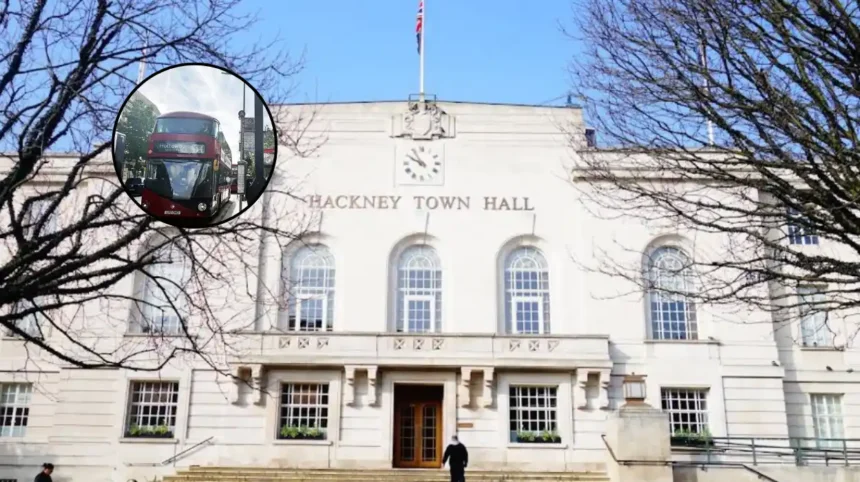
Hackney (North London News) September 17, 2026 – Hackney Council has formally requested that Transport for London (TfL) rethink proposed changes and reductions to six key bus routes serving the borough. The local authority expressed strong concern that the cumulative impact of ongoing route modifications across the area amounts to a significant decline in the overall quality and reliability of the public transport network.
The council’s intervention addresses proposed operational adjustments to bus services 42, 67, 106, 149, 253, and 254. According to official representations submitted by the council, the proposed reductions threaten essential connections for residents who rely heavily on public surface transport for daily commuting, accessing essential services, and education.
Which Routes Are Affected And What Are The Specific Concerns?
As reported by local media coverage on the consultation, Hackney Council focused attention on the planned complete withdrawal of bus route 254. Under TfL’s outlined changes, the removal of the 254 service would leave route 106 as the only direct public transport link running along key segments of the busy route between Whitechapel and Hackney.
Furthermore, council representatives noted that the reductions across the six targeted routes would create a disproportionate burden on vulnerable local populations. Specifically, the local authority highlighted that lower-income households, women, and global majority communities within the borough rely most heavily on affordable bus services and would face reduced service frequency, increased overcrowding, and longer journey times.
What Is The Political Background Behind The Announcement?
The council’s public response follows political activity within the borough. Approximately three weeks prior to the council’s formal submission to TfL, members of the local Labour party publicly criticised the Green administration, alleging a failure to speak out promptly against the transport authority’s proposed route changes.
Following these political exchanges, Hackney Council detailed its formal position in its official response to TfL’s public consultation, demanding that the transport provider protect service levels and reconsider any measures that weaken public transport capacity in East London.
Background Of The Development
Transport for London has faced sustained financial pressures following changes in passenger numbers and long-term funding adjustments, leading to periodic reviews of surface transport efficiency across London boroughs. Over recent years, TfL has conducted multiple consultation exercises aimed at restructuring bus corridors to match changing demand patterns and maximize operational efficiency. Hackney, which has one of the lower rates of private car ownership in Inner London, relies heavily on double-decker bus routes as a primary mode of transit. Consequently, periodic proposals to adjust frequencies or amalgamate routes frequently generate significant interest from local authority stakeholders, passenger advocacy groups, and local political parties.
Prediction: How This Development Can Affect Local Bus Passengers And Residents
If Transport for London proceeds with the proposed adjustments to routes 42, 67, 106, 149, 253, and 254 without modifications, local bus passengers in Hackney are likely to experience longer waiting times and increased passenger density during peak travel hours. The withdrawal of route 254 will force commuters traveling along the Whitechapel to Hackney corridor onto route 106 or require transfers, potentially increasing single-journey travel times and costs for those without multi-journey fare capping. For lower-income residents, women, and global majority communities who statistically rely more on surface transit for early-morning or late-night shift work, the reduction in direct service coverage could lessen access to key employment centers, healthcare facilities, and educational institutions across East London.