Key Points
- Escort Needed: Former councillor from the Labour Party Emina Ibrahim along with two other campaigners needed an escort by either police or security from the back exit of the council building in London after facing protests from the trans community activists.
- Petition Submission: Ibrahim attended the council cabinet meeting for submitting a petition asking for assurances about single-sex provision for the domestic violence victims.
- Protests Outside Chamber: The protestors assembled outside the council building heckling the delegation before entering into the chamber.
- Political Dispute: The conflict highlights the existing political tensions between the rights of sex-based people against the transgender community.
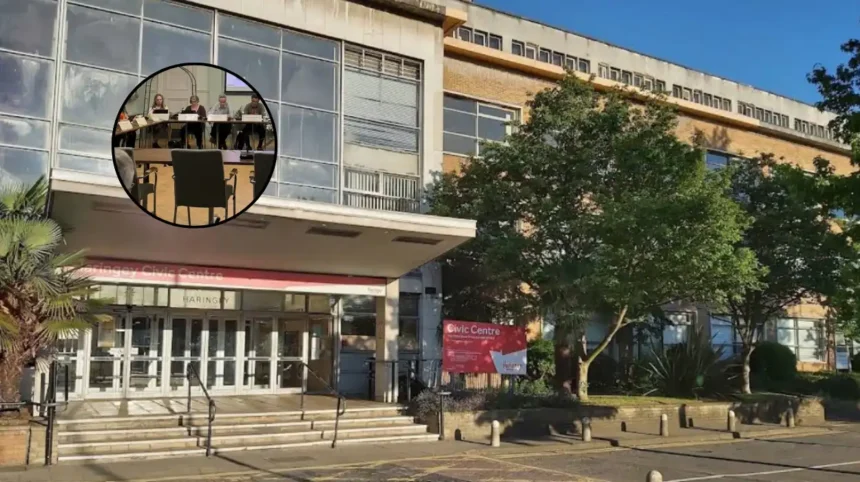
Haringey (North London News) September 17, 2026 – In North London, former Labour councillor Emina Ibrahim was escorted out through the rear exit of a council building on Tuesday evening after facing verbal abuse from trans rights activists outside a local authority meeting. As reported by local news outlets covering Haringey Council, Ibrahim attended the cabinet gathering to submit a formal petition requesting explicit guarantees that single-sex spaces for victims of domestic abuse remain protected across the borough.
Upon arrival at the civic premises, the petition delegation was met by a group of demonstrators advocating for trans rights, who shouted verbal abuse as Ibrahim and two accompanying campaigners entered the facility. Following the presentation inside the chamber, municipal security staff arranged for the group to leave via a secured back door to ensure their personal safety amidst ongoing disruptions outside.
Who Is Emina Ibrahim And What Does The Petition Demand?
Emina Ibrahim is a former Labour councillor in Haringey who has previously served in local government administration and active trade union leadership roles. Her petition focused specifically on local authority commissioning and policy frameworks regarding support services for vulnerable individuals.
The petition urges council leadership to guarantee that facilities designated for victims of domestic violence maintain single-sex spaces. Supporters argue these measures are necessary under the Equality Act 2010 to preserve tailored support for female victims of crime and trauma. Conversely, trans rights campaigners argue that restricting access based on biological sex excludes transgender individuals who also require emergency assistance and sanctuary.
Background Of The Particular Development
The confrontation at Haringey Council reflects a long-running, broader debate regarding gender identity, single-sex exemptions, and policy definitions within the United Kingdom’s public sector and political parties.
Over recent years, local councils and political constituency groups across London have faced intense internal debates regarding the implementation of the Equality Act 2010. The Act allows for single-sex services under specific, proportionate conditions, particularly in sensitive sectors such as domestic violence shelters, healthcare wards, and changing facilities.
In local governance, differing interpretations of these provisions have created friction between groups campaigning for sex-based rights and those advocating for self-identification policies that include trans individuals in single-sex environments. Local party branches and council meetings across North London have frequently served as focal points for these debates, occasionally leading to heightened security interventions during public proceedings.
Prediction: How This Development Can Affect Local Government And Activism Groups
This incident is likely to impact several key stakeholder groups and operational processes within municipal governance:
- For Local Authorities and Civic Officials: Councils nationwide are likely to review public gallery security protocols and meeting management procedures. Heightened friction during public petition presentations may lead to stricter access controls, pre-registration rules, or increased security presence at municipal premises to prevent clashes between opposing campaign groups.
- For Domestic Violence Support Service Providers: Service providers funded by local councils may face increased scrutiny regarding their admission criteria and operational guidelines. Organisations will need to navigate regulatory requirements under the Equality Act while managing public and political expectations regarding single-sex and inclusive service provision.
- For Campaigners and Local Political Activists: Tensions between gender-critical campaigners and trans rights advocates are expected to persist in public forums. Events of this nature may prompt campaign groups on both sides to adapt their demonstration tactics, turning to formal legal challenges or increased public demonstrations around local government meetings.