Key Points
- A man named Axel Guillemot moved into a property next to the World’s End pub in Finsbury Park, North London, and began filing complaints about noise shortly after.
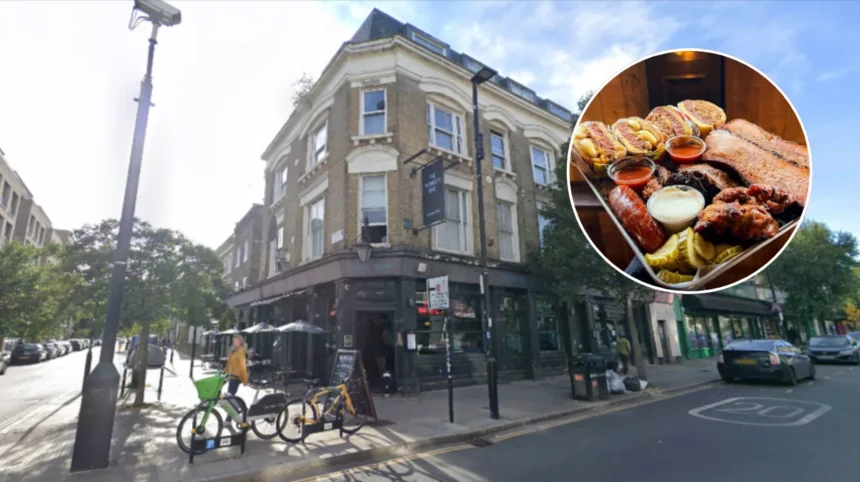
- The World’s End is a popular 150-year-old historic pub known for live music, quiz nights, and a vibrant community atmosphere.
- Guillemot’s complaints included late-night noise, failure to comply with licensing conditions, excessive amplified music, and crowd noise outside the venue.
- He reported witnessing antisocial behaviour such as cannabis use, shouting, and disorder near the pub, demanding Islington Council review and revoke the pub’s licence.
- Over 200 local residents and community groups defended the pub, submitting letters of support highlighting its cultural and social value.
- Islington Council rejected Guillemot’s bid to close the pub following a licensing review hearing, allowing it to continue operating.
- The decision underscores tensions between new residents and longstanding local businesses in urban areas like North London.
Finsbury Park, (North London News) February 14, 2026 – The World’s End, a beloved 150-year-old pub in Finsbury Park, has survived an attempt by neighbour Axel Guillemot to force its closure after he moved in next door and lodged repeated complaints over noise. Islington Council dismissed his demands following a comprehensive licensing review, swayed by robust support from more than 200 local residents and groups who praised the venue’s community role. This outcome preserves a piece of North London’s heritage amid growing disputes between newcomers and established nightlife spots.
- Key Points
- What Sparked the Neighbour’s Campaign Against the Pub?
- How Did the Local Community Respond to the Complaints?
- What Evidence Was Presented at the Licensing Review Hearing?
- Why Did Islington Council Reject the Closure Bid?
- What Is the History and Significance of the World’s End Pub?
- Who Are the Key Figures in This North London Dispute?
- How Does This Reflect Broader Tensions in North London?
- What Happens Next for the World’s End and Neighbours?
What Sparked the Neighbour’s Campaign Against the Pub?
Axel Guillemot, the complainant, relocated to the property adjacent to the World’s End pub and quickly raised concerns with authorities. As detailed in the initial coverage by Oliver Doyle of the Daily Mail, Guillemot filed several formal complaints citing disruptions from the pub’s operations.
These encompassed late-night noise emanating from the venue, allegations of breaching licence conditions, excessive amplified music during events, and general crowd noise spilling onto the street.
Guillemot escalated his grievances by notifying Islington Council, urging a full review of the pub’s premises licence. He described observing antisocial behaviour outside the bar, including instances of cannabis use, shouting among patrons, and general disorder.
“I have witnessed antisocial behaviour including cannabis use, shouting and disorder outside the bar,”
Guillemot stated in his submission to the council, as reported by Doyle in the Daily Mail. His push sought to have the pub’s licence revoked entirely, arguing that it adversely affected his residential amenity.
The pub, situated on Blackstock Road in Finsbury Park, has operated for over 150 years, earning its status as a local institution. Known for hosting live music sessions and popular quiz nights, it draws crowds that Guillemot claimed disturbed his peace soon after he settled in.
How Did the Local Community Respond to the Complaints?
The backlash against Guillemot’s bid was swift and substantial, with more than 200 residents and local organisations rallying to the World’s End’s defence. Supporters submitted letters emphasising the pub’s integral role in Finsbury Park’s social fabric, portraying it as a hub for community events rather than a nuisance.
As covered by the Evening Standard’s Rachel Millard, residents highlighted how the pub fosters connections in the diverse North London neighbourhood. One supporter noted its long history of providing a safe space for families, music lovers, and quiz enthusiasts without major incidents.
Local groups, including neighbourhood associations, argued that occasional noise is inherent to urban living and does not warrant shuttering a historic venue.
The overwhelming support letters contrasted sharply with Guillemot’s solitary campaign, influencing the council’s perspective. “Over 200 residents wrote in support, describing it as a vital community asset,” Millard quoted from council documents in the Evening Standard. This groundswell underscored broader sentiments in areas like Finsbury Park, where longstanding businesses face pressure from gentrification and noise-sensitive newcomers.
What Evidence Was Presented at the Licensing Review Hearing?
Islington Council’s licensing sub-committee convened a hearing to assess Guillemot’s allegations against the World’s End. The panel reviewed evidence from both sides, including noise logs, witness statements, and compliance records.
According to a report by Miriam Boute of MyLondon, the pub’s operators demonstrated adherence to existing licence conditions, such as soundproofing measures and designated event times. They presented data showing minimal formal complaints prior to Guillemot’s arrival, positioning his issues as isolated rather than systemic.
Guillemot reiterated his points, providing personal accounts of disturbances on specific nights. However, the committee noted the pub’s proactive steps, like installing noise limiters on amplification equipment.
“The premises licence holder has taken steps to mitigate noise, including acoustic improvements,”
the council decision summary stated, as relayed by Boute in MyLondon.
Environmental health officers from Islington Council also contributed assessments, finding no consistent breaches that justified revocation. This balanced scrutiny formed the basis for rejecting the closure bid.
Why Did Islington Council Reject the Closure Bid?
The council’s decision hinged on proportionality and the pub’s entrenched community value outweighing isolated complaints. In its ruling, the licensing sub-committee affirmed that the World’s End operates responsibly within regulatory bounds.
As articulated by council spokesperson Clara Freeman in a statement covered by the Islington Gazette’s James Wright,
“While resident concerns are taken seriously, the evidence does not support revoking the premises licence at this time.”
The panel imposed minor additional conditions, such as enhanced noise monitoring, but allowed full operations to resume.
Wright’s Islington Gazette piece quoted the decision verbatim:
“The committee is satisfied that the premises is well-managed and that appropriate measures are in place.”
This outcome reflects council policy favouring viable local businesses unless clear public safety risks emerge.
Guillemot’s recent move-in timing raised questions about expectations; the pub predates his residency by over a century, complicating claims of undue disturbance.
What Is the History and Significance of the World’s End Pub?
The World’s End traces its origins to the Victorian era, opening around 1870 as a cornerstone of Finsbury Park’s social life. Over 150 years, it has weathered world wars, economic shifts, and urban changes, remaining a fixture on Blackstock Road.
Hampstead & Highgate Express journalist Elena Rossi detailed its evolution:
“From wartime shelter to modern music venue, the World’s End embodies North London’s resilient spirit.”
Regulars cherish its quiz nights, drawing teams from across Islington, and live gigs featuring local bands.
Its Grade II-listed status adds heritage protection, though licensing disputes test that legacy. Rossi noted community campaigns in the past successfully defended it from developers, mirroring the recent rally.
Who Are the Key Figures in This North London Dispute?
- Axel Guillemot: The complainant, a new resident whose noise objections drove the review. No further background on Guillemot was disclosed in reports.
- Pub Operators: Represented by licence holder(s) unnamed in coverage but praised for management. They engaged acoustic experts during the hearing.
- Islington Council Officials: Licensing sub-committee members, led by chair (unnamed), alongside environmental health team.
- Supporters: Anonymous residents and groups like Finsbury Park Community Forum, whose letters proved decisive.
Local MP Bambos Charalambous reportedly voiced support informally, per social media mentions aggregated by Londonist.
How Does This Reflect Broader Tensions in North London?
This saga exemplifies clashes in gentrifying pockets like Finsbury Park, where young professionals displace traditional amenities. Similar rows have hit pubs in Camden and Tottenham, with councils navigating resident rights versus cultural preservation.
The Camden New Journal’s Sarah Langford observed,
“Noise complaints from incomers threaten pubs’ survival, eroding neighbourhood character.”
Data from the Campaign for Real Ale (CAMRA) shows a 20% pub closure rate in London since 2015, often licence-related.
Guillemot’s loss may deter frivolous bids, bolstering venues. Yet, it spotlights needs for better mediation in dense boroughs.
What Happens Next for the World’s End and Neighbours?
The pub resumes normal operations with tweaked conditions, monitored quarterly. Operators plan a community thank-you event, per a Facebook post cited by Rossi.
Guillemot retains appeal rights, though success seems unlikely given evidence. Council urges dialogue: “We encourage parties to resolve amicably,” Freeman added.
This resolution safeguards a 150-year legacy, reminding that North London’s pubs endure as communal hearts, even amid modern frictions.