Key Points
- Chief Executive under scrutiny: Haringey Council Chief Executive Andy Donald faces mounting pressure following a damning regulatory finding into the council’s housing management.
- Lowest consumer rating issued: The Regulator of Social Housing (RSH) issued a ‘C4’ grade—the lowest possible consumer score—citing “very serious failings” across council properties.
- Extensive fire safety backlog: The borough faces nearly 4,000 overdue remedial fire safety actions, including approximately 1,400 categorised as “high risk”.
- Allegations of misleading the regulator: The Green Party administration alleges the previous Labour administration misled the regulator by previously claiming all high-risk fire safety issues were resolved.
- Independent review launched: A council spokesperson confirmed an independent review is being initiated to investigate how information was shared with the regulator, stating it is “inappropriate to comment” on the Chief Executive’s future while the probe takes place.
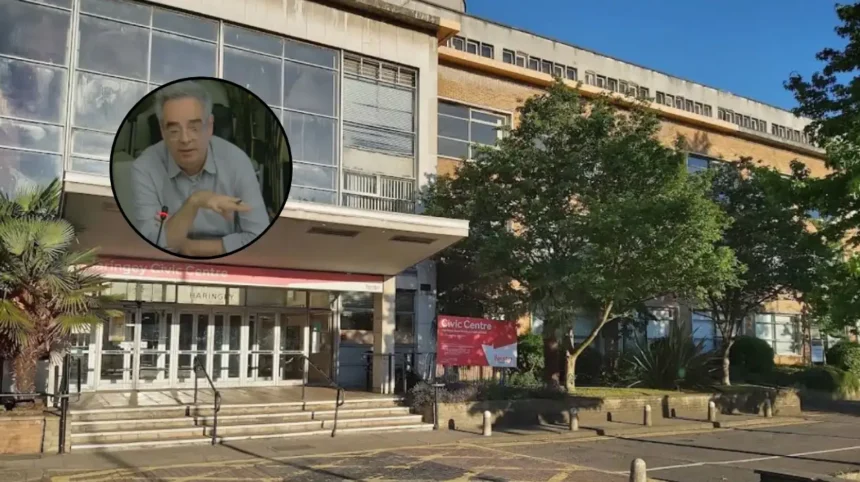
Haringey (North London News) November 7, 2026 – Haringey Council has initiated an independent review following allegations that local authority officials misled the Regulator of Social Housing (RSH) regarding severe fire safety hazards across its housing stock, placing Chief Executive Andy Donald under intense scrutiny. As reported by Joe Ives, Local Democracy Reporter for the Local Democracy Reporting Service (LDRS), a council spokesperson confirmed it remains “inappropriate to comment” on the future of Mr Donald while the independent probe examines how the local authority presented its housing performance to external inspectors.
- Key Points
- Why is Haringey Council’s chief executive facing pressure over housing safety regulator findings?
- Did previous council leadership mislead the Regulator of Social Housing over fire risks?
- How have Haringey Council and political groups responded to the allegations?
- Background to the development
- Prediction: How this development affects Haringey council tenants and local taxpayers
Why is Haringey Council’s chief executive facing pressure over housing safety regulator findings?
The pressure surrounding Chief Executive Andy Donald follows the publication of a damning assessment by the Regulator of Social Housing (RSH), which graded the North London local authority with a ‘C4’ consumer rating—the lowest possible score under the regulatory framework. The grade signifies systemic failures in meeting statutory standards for social housing management.
According to findings detailed by Joe Ives of the LDRS, the council currently holds a backlog of nearly 4,000 overdue remedial fire safety actions. Out of these outstanding issues, approximately 1,400 have been formally classified as “high risk”. The regulatory inspection highlighted critical shortcomings in maintaining basic safety infrastructure across council-owned residential blocks.
Mr Donald, who was appointed to the top administrative role in April 2022 on a salary of £228,279—making him the seventh-highest paid borough council chief executive out of 32 in London—has overseen housing operations during a period marked by recurring infrastructure controversies.
Did previous council leadership mislead the Regulator of Social Housing over fire risks?
Political fallout intensified after the Green Party administration, which assumed power in May following local elections that ended more than 50 years of Labour control in Haringey, issued a public response to the RSH judgment.
As reported by Joe Ives of the LDRS, Haringey Greens published a statement directly alleging that the borough’s former Labour administration had “misled” the housing safety regulator regarding fire risks on council estates. The Green Party highlighted that in November of the previous year, the Labour-led council had formally written to the regulator “stating that it had fixed all high risk, overdue fire safety issues”.
However, the Green administration asserted that the latest RSH judgment “reveals that this was untrue”, adding:
“In fact, Haringey’s Labour administration failed to disclose thousands of overdue fire safety remedial actions to the regulator, despite these risks being known by the council.”
The specific failures cited by the Greens include omitted reporting on uncompleted repairs or replacements of fire alarms, unexecuted structural fixes designed to prevent the spread of fire, and a failure to complete essential modifications to external cladding.
How have Haringey Council and political groups responded to the allegations?
In response to inquiries from the Local Democracy Reporting Service regarding the position of Chief Executive Andy Donald and the claims made by senior Green councillors, a Haringey Council spokesperson confirmed that Mr Donald remains in his post.
As reported by Joe Ives of the LDRS, the council spokesperson stated:
“An independent review is being initiated to look at what led to the RSH’s concern that the council was not fully transparent with them. Until that is completed it is inappropriate to comment.”
Political representatives from Haringey Labour also addressed the regulatory findings. As reported by Joe Ives of the LDRS, Haringey Labour issued a statement saying:
“Throughout the regulatory period, the council engaged closely with the regulator and as politicians, we were given assurances of positive progress. We’re deeply disturbed that the regulator believes they were not provided with full and transparent information by the council. We support a full investigation into what information was shared with the regulator.”
When re-approached by the LDRS for further comment on the specific allegations raised by Green Party cabinet members, the Labour group indicated it had nothing further to add to its initial response.
Background to the development
The current regulatory action represents a recurrence of long-standing structural management issues within Haringey Council’s housing department. Three-and-a-half years prior to the latest ‘C4’ rating, in March 2023, the Regulator of Social Housing issued a similar warning after discovering that more than 100 council properties harboured serious hazard risks and nearly 5,000 homes failed to meet the government’s Decent Homes Standard.
At the time of the March 2023 findings, the council’s former Labour leader Peray Ahmet and Chief Executive Andy Donald released a joint statement offering a public apology, acknowledging:
“We are very sorry and it is important we move quickly to change this.”
Despite those commitments, regulatory scrutiny persisted, culminating in the recent judgment regarding unaddressed remedial actions. The issue of executive compensation has also formed part of the local debate; upon his recruitment in April 2022, council promotional materials described Mr Donald’s appointment as a “major coup”, referring to him as “one of the best chief executives in the capital”.
Prediction: How this development affects Haringey council tenants and local taxpayers
This administrative crisis and the resulting regulatory intervention are expected to impact several local stakeholder groups in specific ways:
- Social housing tenants: Residents living in Haringey Council properties face extended periods of uncertainty regarding structural safety. The presence of 1,400 high-risk overdue remedial fire actions means tenants will require accelerated repair schedules, potential temporary displacements for structural work, and increased visits from fire safety inspectors to bring properties up to code.
- Local taxpayers and borough finances: The execution of nearly 4,000 overdue maintenance actions, combined with the cost of commissioning an external independent review, will place significant demands on the local authority’s capital and operational budgets. Resources may need to be reallocated from other municipal service areas to clear the maintenance backlog under regulatory oversight.
- Governance and administrative staff: The ongoing independent investigation into transparency may lead to structural reorganisations within the council’s housing management department. Senior officials and administrative personnel could face revised compliance protocols, stricter reporting standards, and potential leadership shifts depending on the findings of the independent inquiry.