Key points
- North Tottenham residents say narrow streets between Tottenham High Road and Watermead Way have been used as a “rat‑run” for decades, causing gridlock and dangerous driving behaviour.
- Haringey Council has launched a consultation on traffic, road danger and public transport in the area, with an interactive map for residents to flag problematic roads.
- Residents on streets including Hanbury Road report long‑standing neglect and say the council is only now “waking up” to concerns they have voiced since the 1970s.
- Complaints include cut‑through traffic, frequent gridlock, and isolated incidents of drivers confronting each other with weapons such as knives and crowbars.
- Local residents say the same streets are unsafe for families, with children unable to play and parents unwilling to walk or cycle.
- Council proposals are expected to include parking controls and traffic‑reduction measures on roads such as Hanbury Road, Havelock Road, Siddons Road and nearby streets.
- Improving bus reliability and access to the 318 route is cited as a key benefit if the measures ease congestion.
- The consultation aims to gather feedback on how changes might affect residents’ daily lives, including journeys to school, work and local services.
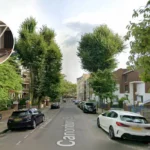
(North London News) – March 24, 2026 – North Tottenham residents say they are “delighted” plans are finally being put in place to tackle chaotic traffic in narrow streets between Tottenham High Road and Watermead Way, after decades of complaints that their homes have effectively become a “rat‑run” for cut‑through drivers. Haringey Council has launched a new consultation asking residents across the area to comment on how traffic, road danger and public transport should be shaped, with an online interactive map allowing people to pinpoint roads that cause the most problems.
- Key points
- Why are residents saying the council is ‘waking up’?
- What is Haringey Council proposing?
- How will the consultation work?
- What do residents say about safety and children’s play?
- How does the 318 bus route fit into the story?
- What are the wider transport and environmental goals?
- How long have residents been complaining?
- What happens next in the consultation?
- How are residents reacting to the new push?
Residents on streets such as Hanbury Road, Havelock Road and Siddons Road tell of near‑constant gridlock, with large volumes of vehicles ignoring the character of residential streets and using them as a shortcut between busier main roads. Some say the situation has at times become so tense that drivers have confronted each other with knives and crowbars, while at quieter hours the same streets channel fast‑moving traffic that families describe as unsafe for children.
Why are residents saying the council is ‘waking up’?
Local campaigners argue that concerns over rat‑running and speeding have been raised since the 1970s, with repeated representations to Haringey Council that yielded limited action. As reported by residents via community‑led briefings cited in council documents, formal feedback has included petitions with dozens of signatories calling for measures such as parking controls and clearer traffic‑calming schemes.
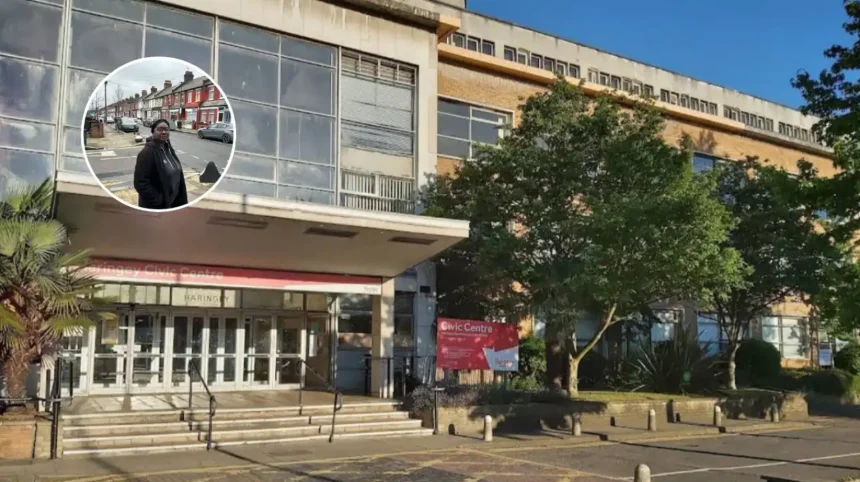
Clare O’Driscoll, who lives with her husband and two young children on Hanbury Road, told North London News she is “delighted” the authority appears to be giving these issues fresh attention. She said:
“People have been complaining about this since the 1970s. If changes are put in place it means people are able to rely on the 318 bus and they’re able to drive through their own neighbourhood without sitting in gridlock. It would dramatically improve the quality of life in North Tottenham, as the vast majority of cars coming through are cut‑through traffic.”
What is Haringey Council proposing?
Council documents underlying the consultation show that officials are considering expanding existing parking‑control measures into the area, including making them operate full‑time on a cluster of side streets. Roads under scrutiny include Cromer Road, Hanbury Road, Havelock Road, Hollington Road, Parkview Road, Rosebery Avenue, Seymour Avenue, Siddons Road, Sherringham Avenue and Windsor Road, all of which the council wants to bring into the existing Tottenham Hale North Controlled Parking Zone (CPZ).
In accompanying background notes, officers explain that new housing developments have increased parking pressure and altered parking behaviour, making previously manageable streets more congested. Officials argue that full‑time parking controls could discourage casual through‑traffic while still allowing residents, visitors and essential services reasonable access.
How will the consultation work?
The consultation is being run online and through local outreach, inviting residents and businesses to comment on how traffic, road safety and public transport provision affect their daily lives.
As part of the process, participants are asked to complete a survey that covers topics such as the frequency of speeding, the impact of gridlock on journeys to school and work, and any concerns about walking or cycling in the area.
An interactive map feature allows households to mark specific roads or junctions where they believe traffic speed, queuing or visibility is most problematic. Council officers say this will help identify “pinch points” and inform where physical measures—such as new signage, road markings, bollards, or bus gates—might be introduced.
What do residents say about safety and children’s play?
Residents in the streets between Tottenham High Road and Watermead Way describe a long‑standing pattern of vehicles moving too quickly for what are effectively residential roads. Some say parents are reluctant to let children play outside or cycle on local pavements because of the constant flow of fast‑moving cars and vans.
Community reports cited in council papers indicate that people have felt “trapped” by congestion, with simple journeys through their own neighbourhood becoming unpredictable due to stop‑start traffic and aggressive driving.
Residents also say the presence of cut‑through traffic has made it harder to socialise on the street, as the atmosphere is dominated by noise and exhaust fumes rather than by neighbours gathering or children playing.
How does the 318 bus route fit into the story?
The 318 bus route, which links North Middlesex Hospital with The Roundway, Tottenham and Stamford Hill, passes close to the affected streets and is a key concerns in the consultation. Recent timetable updates for route 318 have increased frequencies during parts of the day, including more buses in the early‑morning period on weekends and adjusted evening services.
Residents say that easing gridlock would make the 318 and other local services more reliable, allowing people to factor bus travel into their daily routines rather than feeling forced to drive or endure long waits stuck in traffic. One parent told North London News that if the council’s measures reduce cut‑through traffic,
“people might feel more confident leaving the car at home and using the 318, which would be better for air quality and safer for kids around buses stops.”
What are the wider transport and environmental goals?
The consultation sits within Haringey Council’s broader strategy to cut pollution, reduce reliance on private vehicles and improve walking and cycling conditions. In separate school‑street schemes elsewhere in Tottenham, officers have highlighted that the school run can account for a significant share of local traffic and represent one of the most dangerous times of day for children.
Council documents note that residential areas such as those around Hanbury Road share many of the same challenges: a mix of through‑traffic, school trips and local journeys concentrated on narrow streets not designed for current volumes. Officers argue that targeted parking controls and better‑designed traffic‑flow measures could help channel vehicles away from the most sensitive residential roads without creating major delays on main routes.
How long have residents been complaining?
Community histories collated in council documents indicate that residents in North Tottenham have raised concerns about rat‑running as far back as the 1970s. Some older residents recall early campaigns for speed‑limit enforcement and for “Residents’ Only” parking schemes, only to see measures diluted or ignored over subsequent decades.
Letters and emails cited in council papers describe frustration at perceived inaction, with some residents saying they felt “ignored” compared to other parts of the borough. One resident’s statement recorded in a consultation background note read:
“We’ve been told plans are coming for years, but nothing meaningful has changed. This latest consultation is welcome, but we’ll believe it when we see real measures on the ground.”
What happens next in the consultation?
Haringey Council has not yet announced a final decision timetable, but officers say survey responses and mapped feedback will be analysed and presented to elected members for a formal decision. Depending on the outcome, the authority could introduce phased traffic‑reduction measures, including potential parking changes, bus gates, one‑way systems or revised signage, starting on the streets most heavily flagged by residents.
Residents are being urged to complete the online survey and attend any local drop‑in events advertised by the council. A spokesperson for Haringey Council told North London News:
“We recognise that people in North Tottenham have lived with high levels of traffic for too long, and this consultation is a crucial step in designing solutions that work for residents, schools, businesses and bus users.”
How are residents reacting to the new push?
Reaction among North Tottenham households is cautiously optimistic, with some saying they welcome the attention after years of feeling “neglected.” Others say they will wait to see detailed plans, including exactly how parking controls will be enforced and how alternative routes for through‑traffic will be managed.