Key Points
- Rowan’s Bowling Alley, a beloved North London institution founded in 1988, faces potential redevelopment into up to 190 flats as proposed in Haringey Council’s new draft local plan.
- The threat was first publicised in 2017, with earlier planning applications over a decade ago rejected following public outcry.
- A newly released draft local plan, published on Monday, reintroduces the proposal for site allocation at Finsbury Park, urging locals to participate in public consultation.
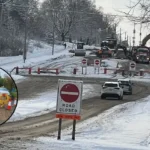
- On Saturday, Instagram user “Mr Finsbury Park” shared a photo of a council notice outside the venue, highlighting the redevelopment phase and calling for a “call to arms” for the second time.
- Public consultation on the proposal is open, with residents asked if they support the site allocation; the deadline to respond is December 19.
- The venue is an iconic spot in Finsbury Park, cherished as a community favourite for bowling and socialising.
What Is the History of Rowan’s Bowling Alley?
Rowan’s Bowling Alley opened its doors in 1988, quickly establishing itself as a cherished venue in North London’s Finsbury Park area. Nestled in this vibrant neighbourhood, it has served generations as a hub for casual bowling, social gatherings, and family outings. As detailed in coverage by The Evening Standard‘s going-out section, the alley has endured as an “iconic” spot amid evolving urban landscapes.
- Key Points
- What Is the History of Rowan’s Bowling Alley?
- Why Is Haringey Council Proposing Redevelopment Now?
- Who Spotted the Council Notice and What Did They Say?
- What Does the Public Consultation Entail?
- How Has the Community Responded Historically?
- What Are the Broader Implications for Finsbury Park?
- Could Rowan’s Survive This Threat?
The venue’s longevity underscores its status as a local institution. Patrons have long praised its nostalgic lanes, affordable lanes, and lively atmosphere, making it a go-to for birthdays, league nights, and casual fun. Founded decades before the latest redevelopment pressures, Rowan’s predates many modern developments in Finsbury Park, symbolising continuity in a rapidly changing borough.
Historical threats add layers to its story. Planning applications targeting the site surfaced over 10 years ago but were ultimately silenced by robust public backlash. This pattern repeated in 2017 when initial redevelopment whispers emerged, only to be quelled temporarily. Now, as per the council’s documents, the push has resurfaced with formal backing.
Why Is Haringey Council Proposing Redevelopment Now?
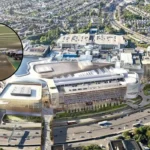
Haringey Council’s new draft local plan, accessible via their online platform at haringeynewlocalplan.commonplace.is, identifies the Rowan’s site as prime for residential use. The plan proposes “as many as 190 flats,” framing it as a contribution to housing needs in a borough grappling with population growth and affordability challenges.
The document, published on Monday, marks a pivotal shift. It urges locals to “speak out” through a structured consultation process. As attributed to council notices referenced in social media, the allocation—coded SG-SA01—prioritises high-density development over existing leisure uses. This aligns with Haringey Council’s broader local plan refresh, which seeks public input on multiple sites across the borough.
Previous iterations faced rejection. The 2017 threat, first made public then, echoed earlier failed bids from over a decade prior. Public outcry proved decisive both times, stalling developers. The council’s latest move reintroduces these “rejected plans,” as described by observers, testing community resolve once more.
Who Spotted the Council Notice and What Did They Say?
On Saturday, a resident posting under the Instagram handle “Mr Finsbury Park” brought the issue to wider attention. As reported by The Evening Standard, this individual shared a photo of the freshly posted council notice outside Rowan’s, directly linking it to the new draft plan.
“A public consultation notice has just gone up to phase a redevelopment… a call to arms is now needed a second time,”
the resident stated on Instagram, referencing the notice’s placement and historical context. The post highlighted past planning applications “more than 10 years ago, but which were silenced after a public outcry.” It explicitly tied the alert to the Monday-published proposal, emphasising the need for immediate action.
This social media amplification has galvanised online discourse. Shares across platforms like Facebook, Twitter (now X), and Nextdoor—linked in The Evening Standard‘s article—have spread the message rapidly. The resident’s post serves as a clarion call, urging followers to engage before the December 19 deadline.
What Does the Public Consultation Entail?
The consultation centres on whether residents “support the site allocation” for redevelopment. Haringey Council’s platform poses direct questions to participants, gathering views on transforming the bowling alley site into housing. Responses must be submitted by December 19, creating a tight window for input.
As per the council’s proposal page, the process is accessible online, with the specific Finsbury Park Bowling Alley section under step 1 of the consultation. Locals are encouraged to review maps, density estimates (up to 190 flats), and policy rationales. This phase builds on prior feedback loops that previously derailed similar schemes.
The stakes are high. Supporters of redevelopment argue for much-needed homes, while opponents emphasise cultural preservation. The council’s draft explicitly “urges locals to speak out,” positioning the process as participatory democracy in action.
How Has the Community Responded Historically?
Public outcry defined past defences of Rowan’s. Over 10 years ago, early applications crumbled under resident pressure. The 2017 revival met similar resistance, preserving the alley temporarily.
Now, echoes of that activism resurface. “Mr Finsbury Park”‘s post invokes this legacy, framing the current fight as “a second time” requiring mobilisation. Social media traction, boosted by The Evening Standard‘s coverage, suggests momentum building anew.
Broader Finsbury Park dynamics play in. The area, known for its green spaces and community venues, resists over-development. Rowan’s, as a “North London favourite,” anchors this identity, much like nearby pubs and markets.
What Are the Broader Implications for Finsbury Park?
Finsbury Park, a bustling hub in Haringey, balances leisure, housing, and transport links. Losing Rowan’s could erode its recreational fabric, replacing lanes with flats amid ongoing gentrification debates.
Haringey Council’s plan fits a pattern: prioritising homes in high-demand zones. Yet, critics question if cultural assets like the 1988-founded alley warrant protection. The consultation’s outcome could set precedents for other sites.
Developers eye such spots for profitability, but community sentiment often sways councils. With December 19 looming, Rowan’s fate hinges on turnout.
Could Rowan’s Survive This Threat?
Survival odds depend on consultation volume. Past victories relied on vocal opposition; replicating that now is key. “Mr Finsbury Park”’s rallying cry—”a call to arms”—captures the urgency.
Haringey Council must weigh housing goals against heritage. If patterns hold, robust response could save Rowan’s again. For now, the alley operates, lanes rolling amid uncertainty.