Key Points
- Event Announcement: The Haringey Food Assembly 2026 is scheduled to take place on Friday, 20 November 2026, at the Irish Centre on Pretoria Road, London N17.
- Organising Body: The gathering is convened by the Haringey Community Food Network (HCFN).
- Participating Stakeholders: Attendees will include local residents, community groups, food project representatives, growers, local businesses, schools, healthcare professionals, borough councillors, and public-sector partners.
- Core Objective: The assembly aims to move beyond short-term crisis interventions towards establishing a coordinated, long-term, and equitable borough-wide food system.
- Key Challenges Addressed: Discussions will target rising living costs, persistent health inequalities, environmental pressures, resource constraints, and financial uncertainties facing voluntary groups.
- Primary Scope: Focus areas encompass public health, household finances, education, cultural identity, environmental sustainability, and community resilience.
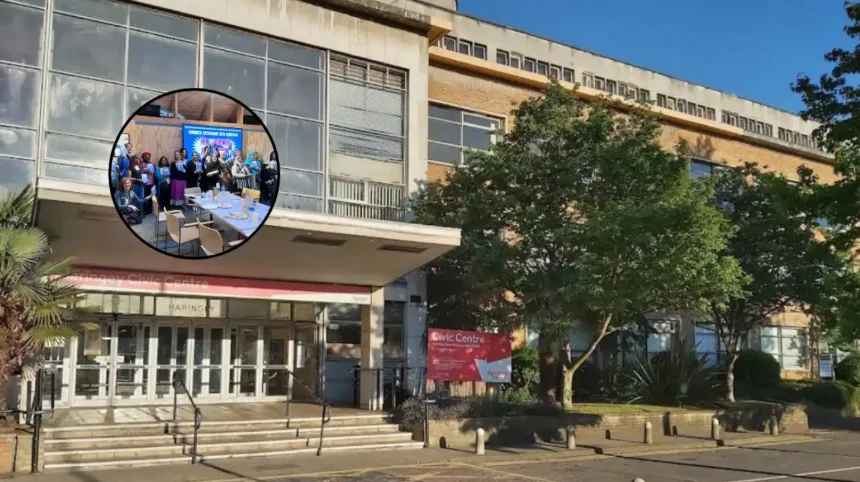
Haringey (North London News) November 11, 2026 – A landmark community gathering set for North London aims to fundamentally transform how local food insecurity, public health, and community resilience are tackled across the borough. As reported by journalist Moussa Amine Sylla, the Haringey Community Food Network (HCFN) has officially convened the Haringey Food Assembly 2026, which will take place on Friday, 20 November 2026, at the Irish Centre, Pretoria Road, London N17. The initiative brings together a broad coalition of residents, frontline community organisations, local food projects, growers, local business proprietors, schools, health professionals, elected councillors, and public-sector partners. Together, these stakeholders intend to define Haringey’s long-term food priorities and build a coordinated strategy that shifts the borough’s approach away from reliance on emergency food aid towards systemic, sustainable solutions.
- Key Points
- Who Should Shape the Future of Local Food Governance in Haringey?
- How Can Haringey Guarantee Access to Healthy, Culturally Appropriate Food for All Residents?
- What Resources Do Frontline Community Organisations Need to Maximize Their Impact?
- Background to the Haringey Community Food Network and Local Food Development
- Predictions: How Will This Development Affect Haringey Residents and Community Organisations?
Who Should Shape the Future of Local Food Governance in Haringey?
As reported by Moussa Amine Sylla, a central focus of the upcoming assembly is determining who holds decision-making power over the borough’s food environment. For several years, local food banks, social supermarkets, and community kitchens have served as essential lifelines for households affected by escalating living costs and systemic financial pressures. However, organisers argue that sustainable change requires moving beyond emergency relief to ensure that residents and grassroots groups actively guide policy development.
The assembly is structured to give local residents, particularly those directly affected by food insecurity, a platform alongside public-sector decision-makers. By establishing a shared forum, HCFN aims to ensure that future policy frameworks reflect the lived experiences of the community rather than top-down administrative mandates.
How Can Haringey Guarantee Access to Healthy, Culturally Appropriate Food for All Residents?
As noted by Moussa Amine Sylla, a critical question facing the assembly is what structural steps are necessary to ensure that every resident across Haringey can reliably access healthy, affordable, and culturally appropriate food. The borough presents a complex socio-economic landscape, marked by stark health inequalities and diverse nutritional needs across its distinct neighbourhoods.
Food accessibility extends beyond calories; it intersects directly with:
- Household Finances: The ability of families to afford fresh, nutritious provisions without sacrificing other basic necessities like heating and housing.
- Public Health: The long-term impact of diet-related illness and health disparities across different demographic groups.
- Cultural Identity: Ensuring that local food assistance and commercial retail channels offer culturally relevant food choices reflective of Haringey’s diverse population.
- Education and Skill-Building: Empowering schools and community hubs to foster food literacy, cooking skills, and urban agriculture initiatives.
By addressing these interconnected factors, the assembly seeks to establish a comprehensive framework that treats access to adequate food as a core public responsibility.
What Resources Do Frontline Community Organisations Need to Maximize Their Impact?
As detailed by Moussa Amine Sylla, while community organisations across Haringey have demonstrated extraordinary commitment and innovation, many continue to operate under severe operational constraints. Voluntary providers, including faith groups, neighborhood growing projects, and independent food pantries, frequently face acute financial uncertainty, limited physical infrastructure, and rising demand for services.
A major structural barrier identified by HCFN is the fragmentation of local efforts. Initiatives tackling similar socio-economic challenges often operate in isolation, lacking the central coordination and long-term funding required to maximize their collective effectiveness. The Haringey Food Assembly aims to bridge these divides by establishing formal channels for resource-sharing, shared strategy, and joint funding applications.
Background to the Haringey Community Food Network and Local Food Development
Over recent years, the Haringey Community Food Network (HCFN) has established itself as an essential connecting force across the borough’s voluntary and community sector. Formed to coordinate local responses during periods of heightened economic disruption, HCFN links a wide network of community kitchens, food banks, urban growing schemes, social supermarkets, and educational bodies.
Historically, food assistance across urban centers in the United Kingdom has relied heavily on emergency food banks and charitable donations. While these interventions provide immediate relief, public health experts and policy analysts have increasingly advocated for structural reform. In Haringey, environmental stresses, inflation, and persistent health disparities have highlighted the limitations of relying indefinitely on emergency aid. HCFN’s initiative reflects a broader UK-wide movement toward “food democracy”—a framework that integrates food planning into local urban strategy, public health policy, and environmental sustainability.
Predictions: How Will This Development Affect Haringey Residents and Community Organisations?
The outcomes of the Haringey Food Assembly 2026 are expected to have direct consequences for several key stakeholder groups across the borough:
Impact on Local Residents and Households
- Enhanced Food Security: A move toward systemic food strategy is anticipated to expand access to affordable fresh produce through social supermarkets and local co-ops, reducing dependence on emergency parcels.
- Greater Civic Influence: Residents will gain a direct mechanism to influence local council priorities, ensuring public food policy reflects neighborhood needs and cultural requirements.
Impact on Voluntary and Community Sector Organisations
- Improved Operational Coordination: Grassroots organisations are likely to benefit from reduced duplication of effort, enabling more efficient distribution of donated resources and staff time.
- Increased Funding Resilience: By uniting under a shared strategic framework, member groups will be better positioned to secure long-term public sector grants and charitable funding.
Impact on Public Sector Partners and Local Council
- Integrated Health Outcomes: Public health teams and council decision-makers will gain actionable community insights, aiding the design of targeted interventions to reduce diet-related health inequalities across Haringey.