Key Points
- Acquittals Delivered: Rapper Marcus La Croix, 38, and co-accused Michael Clarke, 37, have both been cleared of the 2018 murder of 17-year-old Tanesha Melbourne-Blake following four separate trials at the Old Bailey.
- Victim and Incident: Tanesha Melbourne-Blake was killed by a single gunshot wound to the chest while socialising with friends in Tottenham, north London, on Easter Monday, 2 April 2018.
- Protracted Legal Process: The victim’s family sat through four complete trials over six years—two trials each for La Croix and Clarke—before final verdicts and formal acquittals were reached.
- Reporting Restrictions Lifted: The details of the acquittals and discontinued proceedings were made public after Judge Mark Dennis KC officially lifted reporting restrictions at the conclusion of all legal proceedings.
- Prosecution Case Discontinued: Following a jury discharge due to a deadlock in Clarke’s retrial, the Crown Prosecution Service offered no evidence, leading to his formal acquittal.
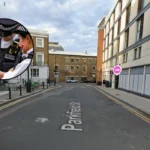
Tottenham (North London News) November 7, 2026 — Two men accused of murdering 17-year-old Tanesha Melbourne-Blake in a drive-by gang shooting in north London have been cleared of all charges following four trials at the Central Criminal Court (the Old Bailey). Tanesha was fatally shot in the chest on the evening of Easter Monday, 2 April 2018, as she stood dancing and socialising with friends on Chalgrove Road, Tottenham.
- Key Points
- Why did the prosecution offer no evidence against Michael Clarke?
- What was the sequence of events across the four Old Bailey trials?
- What were the circumstances surrounding the fatal shooting of Tanesha Melbourne-Blake?
- What was alleged regarding the gang conflict motive?
- Background to the Northumberland Park Gang Conflict
- Predicted Impact of the Verdicts on Key Stakeholders
Rapper Marcus La Croix, 38, from Hackney—who performs under the stage name Bobby Slater—was acquitted of murder and possession of a firearm with intent to endanger life following a retrial earlier this year. His co-accused, Michael Clarke, 37, from Luton, was formally acquitted on Friday after the prosecution offered no evidence following a discharged jury that failed to reach a verdict in his own retrial.
The outcome of the lengthy proceedings can only now be reported after Judge Mark Dennis KC lifted reporting restrictions at the Old Bailey at the formal conclusion of the case.
Why did the prosecution offer no evidence against Michael Clarke?
As reported by crime correspondent Vikram Dodd of The Guardian, Michael Clarke was formally acquitted after the Crown Prosecution Service (CPS) elected to offer no further evidence against him. The decision followed the discharge of an Old Bailey jury last week, which had deliberated extensively but ultimately failed to reach agreed verdicts on whether Clarke was involved in the fatal shooting.
With no prospect of securing a conviction upon a further retrial, the prosecution formally withdrew the charges of murder and possession of a firearm with intent to endanger life. Judge Mark Dennis KC subsequently entered formal verdicts of not guilty for Clarke, concluding his legal prosecution.
What was the sequence of events across the four Old Bailey trials?
As detailed by legal reporters covering the Central Criminal Court, members of Tanesha Melbourne-Blake’s family attended a total of four full trials at the Old Bailey over six years.
- Initial Proceedings and Retrials: Both Marcus La Croix and Michael Clarke underwent two trials each regarding their alleged involvement in the vehicle from which the gunfire originated.
- Jury Verdict for Marcus La Croix: On 19 May, a jury returned formal not-guilty verdicts for La Croix on charges of murder and firearms possession after deliberating for 13 hours and 34 minutes. Tanesha’s mother left the courtroom in tears as the verdicts were delivered.
- Discharge and Acquittal for Michael Clarke: Following the inability of the subsequent jury to reach a verdict regarding Clarke, the Crown discontinued the case, bringing the proceedings to a close without any convictions.
What were the circumstances surrounding the fatal shooting of Tanesha Melbourne-Blake?
As reported by court reporters for ITV News London, prosecutor Jocelyn Ledward KC outlined during court proceedings that Tanesha was killed by a single bullet during a gang “ride-out” into rival territory on 2 April 2018.
According to evidence presented by the prosecution:
- The Incident: Tanesha was standing with a group of friends in Chalgrove Road, Tottenham, when a vehicle pulled up and an occupant fired multiple shots from a self-loading pistol into the crowd.
- Fatal Injury: Tanesha was struck in the chest and collapsed immediately, calling out to a friend, “Jace, I’ve been shot,” before succumbing to internal blood loss at the scene despite the intervention of neighbours and paramedics.
- Targeting: Prosecution advocates acknowledged in court that Tanesha was an innocent bystander who was not the intended target of the gunfire.
What was alleged regarding the gang conflict motive?
As reported by ITV News, prosecution counsel Jocelyn Ledward KC told the court that the shooting occurred against the backdrop of a “long-standing enmity” and violent territorial rivalry between two north London criminal groups: the Wood Green Mob (WGM) and the Northumberland Park Killers (NPK), also known as “Sin Squad”.
Ms Ledward KC detailed that the specific catalyst for the drive-by shooting on Easter Monday was alleged to be a violent altercation that occurred in the early hours of 1 April 2018. During that incident, Marcus La Croix was allegedly subjected to a physical assault inside a restaurant by individuals linked to the rival gang, footage of which was subsequently circulated on social media platforms. The prosecution alleged that the “ride-out” into Tottenham was carried out in direct retaliation for this public incident. Both defendants consistently denied any participation in the shooting or presence in the vehicle, and both have now been completely cleared of all charges.
Background to the Northumberland Park Gang Conflict
The fatal shooting of Tanesha Melbourne-Blake occurred during a period of heightened violence between rival street gangs operating within the London Borough of Haringey.
The territorial dispute primarily involved the Wood Green Mob—associated with the colour green—and the Northumberland Park Killers (or “Sin Squad”), who operated further east in Tottenham Hale and associated with the colour purple. Between 2016 and 2020, this ongoing feud resulted in a series of violent tit-for-tat incidents, including non-fatal stabbings, firearms discharges, and homicides.
Following Tanesha’s death in April 2018, extensive investigations were launched by the Metropolitan Police Service Specialist Crime Command. Despite multiple arrests, complex forensic evaluations of ballistic material, and six years of judicial proceedings involving four distinct trials, no individual has been successfully convicted in connection with her murder.
Predicted Impact of the Verdicts on Key Stakeholders
Impact on the Family of Tanesha Melbourne-Blake
The formal collapse of the prosecution and double acquittals leave Tanesha’s family without legal closure after enduring six years of judicial proceedings and four separate trials. The outcome highlights the emotional toll placed on victims’ families when long-running court cases conclude without a guilty verdict.
Impact on the Metropolitan Police and Crown Prosecution Service
The conclusion of the proceedings without a conviction presents challenges for law enforcement agencies. The Metropolitan Police Homicide Command may be required to review the investigation to determine if new lines of inquiry or forensic techniques can be applied. The case also underscores the evidential hurdles prosecutors face when relying on gang-related intelligence, social media evidence, and eyewitness testimonies in complex urban firearm investigations.
Impact on Community Relations and Local Safety
The absence of a conviction in a high-profile homicide involving an innocent youth can heighten existing tensions and feelings of vulnerability within the Tottenham community. Local youth organisations and community advocates may call for renewed resource allocation towards anti-gang intervention programmes and crime prevention initiatives across Haringey and neighbouring north London boroughs.