Upper Street is one of North London’s best-known urban destinations. Running through the centre of Islington, it combines historic streets, independent businesses, theatres, restaurants, public spaces and transport connections. The area attracts tourists, residents, remote workers and business travellers because many different activities sit within a compact and walkable district.
- Where is Upper Street and why is it important?
- What historical places can you see around Upper Street?
- Which cultural destinations are near Upper Street?
- Where can you find independent shopping around Upper Street?
- What restaurants and food experiences are available around Upper Street?
- What green spaces can you visit near Upper Street?
- What can you explore around Angel and the Regent’s Canal?
- How can visitors explore Upper Street on foot?
- What makes Upper Street useful for digital nomads and business travellers?
- How can you combine Upper Street with other North London destinations?
- When is the best time to explore Upper Street?
- Why is Upper Street an important destination in North London?
The street forms part of the wider Angel and Islington town centre. Its location also makes it a practical base for exploring central and North London. Angel Underground station connects the area to the London Underground, while buses provide links across the capital.
This guide explains what visitors can explore around Upper Street, from cultural institutions and historic streets to shopping, food, green spaces and nearby neighbourhood destinations.
Where is Upper Street and why is it important?
Upper Street is the principal commercial and cultural street in central Islington, North London. It connects Angel with Highbury and contains restaurants, theatres, shops, historic buildings and public services. Its strong transport links make it a useful starting point for exploring surrounding neighbourhoods.
Upper Street runs north from the Angel area towards Highbury Corner. It sits within the London Borough of Islington, an inner London borough immediately north of the City of London.
The street is important because it functions as more than a shopping destination. It is a town-centre corridor with a mixture of retail, hospitality, culture and residential streets. Visitors can move easily between established institutions and smaller independent businesses.
Angel Underground station is located at the southern end of Upper Street. The station is on the Northern line and provides direct connections towards central London. Highbury & Islington station, located to the north, provides London Underground, London Overground and National Rail services.
This transport structure gives Upper Street a practical role for leisure visitors. A visitor can explore the local area on foot and continue to other parts of London without changing neighbourhood.
Upper Street also sits close to several recognised London destinations. These include Islington Green, Camden Passage, the Regent’s Canal corridor and Highbury Fields. The surrounding street network contains independent shops, cafés, pubs, galleries and residential architecture.
The area has developed over centuries as Islington changed from a rural settlement outside London into a densely populated urban district. As you explore the modern street, you are crossing an area with a deep heritage. Read about the full [Insert Anchor Text for History Article Here] to understand its origins.
What historical places can you see around Upper Street?
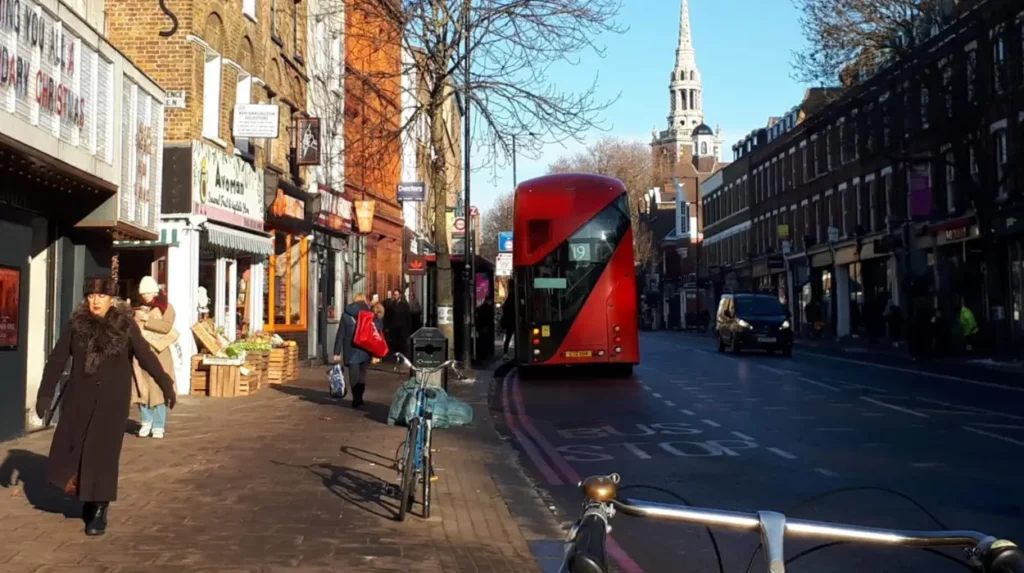
The Upper Street area contains historic churches, Georgian and Victorian buildings, established public spaces and streets that reflect Islington’s transformation into an important London residential and commercial district. Architectural details and surviving institutions provide visible links to the area’s earlier development.
Islington’s history is visible in the streets surrounding Upper Street. The district expanded significantly during the eighteenth and nineteenth centuries as London’s population grew beyond its historic core.
Georgian and Victorian architecture remains an important part of the local townscape. Terraces, squares and public buildings demonstrate the development of Islington as a residential district for London’s expanding middle classes and professional workers.
Explore Islington Green
Islington Green is a public open space beside Upper Street. It provides a visible break within the built-up town centre and marks an important meeting point between Upper Street and nearby commercial streets.
The green is surrounded by shops, restaurants and public transport routes. It also provides a useful orientation point for visitors arriving from Angel.
Visit historic religious buildings
St Mary’s Church is one of the significant historic religious institutions in central Islington. Churches have played an important role in the organisation and development of London communities, providing religious, social and architectural landmarks.
Historic buildings around Upper Street should be viewed as part of the wider urban landscape rather than isolated attractions. The streets demonstrate how housing, commerce and public institutions developed together.
Visitors interested in architecture can explore side streets as well as the main road. Residential terraces often reveal a quieter view of Islington’s historic built environment.
Which cultural destinations are near Upper Street?
Upper Street is surrounded by established cultural venues, particularly theatres and arts spaces. The area supports live performance, comedy, cinema and visual culture, giving visitors structured entertainment options throughout the year and strengthening Islington’s role as a cultural destination.
Theatre is one of the strongest cultural features of the Upper Street area. Several venues are within walking distance of the main street.
Discover the Almeida Theatre
The Almeida Theatre is a producing theatre in Islington. It presents new productions and has an established reputation within London’s professional theatre sector.
The building is located on Almeida Street, close to Upper Street. Its position allows visitors to combine an evening performance with nearby restaurants or cafés.
The theatre contributes to the area’s year-round cultural activity. Unlike seasonal outdoor attractions, scheduled performances provide regular reasons to visit throughout the calendar.
Explore the King’s Head Theatre
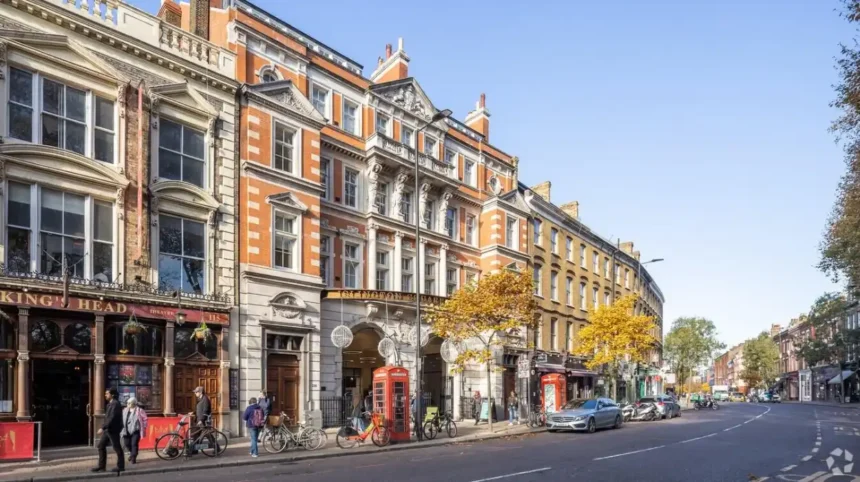
The King’s Head Theatre is another important performance venue associated with the Upper Street area. It is known for theatre productions and forms part of Islington’s long-established performing arts scene.
Smaller theatres provide a different type of cultural experience from London’s large West End venues. They operate within neighbourhood settings and are often close to local hospitality businesses.
Look for cinema and live entertainment
The wider Angel and Islington area includes cinemas and venues for comedy, music and live events. Programme schedules change, so visitors should check current listings before travelling.
This concentration of cultural activity benefits short-stay visitors. A theatre performance, film screening or live event can form the central activity of an evening while the surrounding streets provide dining and transport options.
Where can you find independent shopping around Upper Street?
Independent shopping around Upper Street includes specialist retailers, bookshops, fashion businesses, gift stores and market traders. Camden Passage is particularly important because its pedestrian-scale streets and established market identity create a distinct shopping destination close to Angel.
Upper Street combines national retailers with smaller businesses. The most distinctive independent shopping experiences are often found on nearby side streets.
Explore Camden Passage
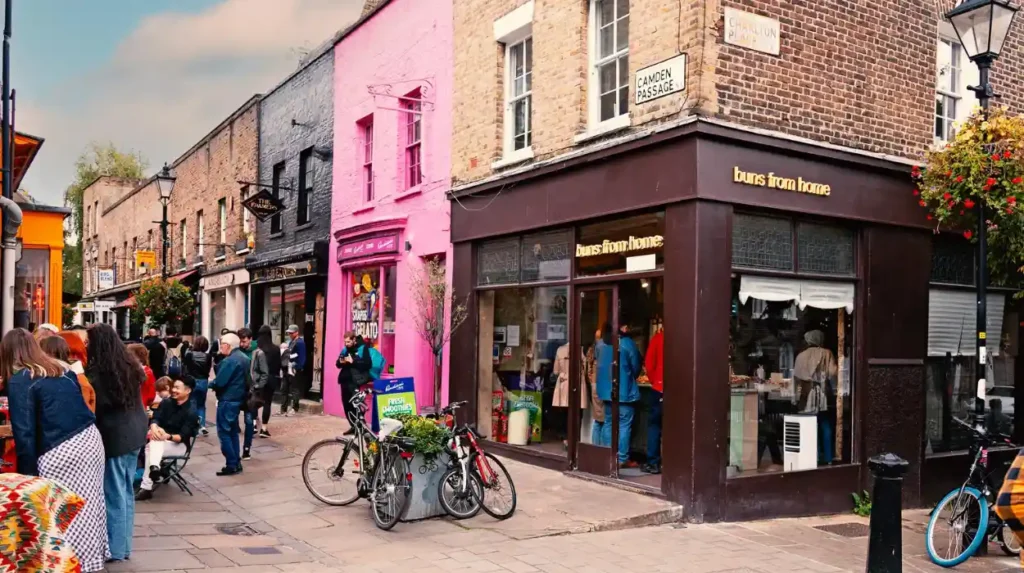
Camden Passage is a narrow pedestrian street and market area near Upper Street. It is particularly associated with antiques, vintage goods, collectibles and independent retail.
The passage offers a different environment from the main shopping street. Its smaller premises and market character encourage visitors to explore individual businesses rather than move between large stores.
Market trading and independent retail have helped establish Camden Passage as a recognised destination within Islington. Opening arrangements and trader availability vary, so visitors should confirm current market information before planning a specific visit.
Browse specialist local shops
The streets around Upper Street contain bookshops, homeware retailers, fashion businesses and specialist food shops. Independent businesses contribute to the area’s local identity because they offer products and services that differ from standard high-street chains.
For visitors, independent shopping also provides an efficient way to explore the neighbourhood. Walking between shops reveals cafés, historic buildings and smaller streets that are not visible from the main transport routes.
Digital nomads and business travellers can also use retail and café areas as practical daytime stops between meetings or sightseeing.
What restaurants and food experiences are available around Upper Street?
Upper Street offers a broad range of restaurants, cafés, pubs and casual food businesses. Visitors can find British, European, Mediterranean, Asian and Middle Eastern cuisines, with dining concentrated along Upper Street and the streets surrounding Angel.
Food is one of the main reasons visitors spend time around Upper Street. The area has a dense concentration of hospitality businesses because it serves residents, theatre audiences, office workers and visitors.
Explore international dining
Restaurants around Upper Street represent several international food traditions. Examples include Italian restaurants, Japanese restaurants, Turkish restaurants and Middle Eastern restaurants.
This variety supports different types of visits. A leisure traveller can plan a long evening meal, while a business visitor can choose a shorter lunch near public transport.
Restaurant availability changes over time. The strongest approach is to identify the type of food required and then check current opening hours and booking arrangements directly with the venue.
Find cafés for daytime breaks
Cafés around Upper Street support visitors throughout the day. They provide places for breakfast, coffee, informal meetings and short work sessions.
Work-friendly cafés are particularly relevant to digital nomads. Before relying on a venue for remote work, visitors should check practical details such as opening hours, available seating, Wi-Fi arrangements and laptop policies.
Experience traditional London pubs
Pubs remain an important part of the local hospitality landscape. Historic and contemporary public houses provide food and drink alongside social space.
For visitors, pubs are useful landmarks within a walking itinerary. They are often located near theatres, transport stops and major junctions, allowing an evening to combine dining and cultural activity.
What green spaces can you visit near Upper Street?
Several public green spaces are within walking distance or a short journey from Upper Street. Islington Green provides central open space, while Highbury Fields offers larger recreational areas for walking, exercise and a quieter break from busy streets.
Central Islington is densely developed, but green spaces remain accessible from Upper Street.
Walk through Islington Green
Islington Green is the nearest public green space for visitors exploring the main commercial area. Its central location makes it useful as a short rest stop rather than a full outdoor destination.
The space demonstrates the importance of public land within dense urban districts. Green areas provide pedestrian relief and support the wider character of town centres.
Visit Highbury Fields
Highbury Fields is a larger public open space north of Upper Street. It provides lawns, paths and sports facilities.
The fields are useful for visitors who want to combine an urban itinerary with outdoor activity. The route between Upper Street and Highbury also passes through residential streets that show another side of the borough.
Public parks serve several purposes. Examples include walking, informal recreation and organised sport. These functions make nearby green space relevant to families, solo travellers and residents.
What can you explore around Angel and the Regent’s Canal?
The Angel area expands the Upper Street experience through shopping streets, canal-side routes and connections to neighbouring districts. The Regent’s Canal provides a quieter walking environment and links Islington with other parts of North and East London.
Angel sits at the southern end of Upper Street and acts as an important transport and commercial centre.
The area includes shops, restaurants and public spaces. Its Underground station provides direct access to the Northern line, making it a convenient arrival point for visitors.
Walk towards the Regent’s Canal
The Regent’s Canal passes through Islington and forms part of a longer London waterway network. Canal towpaths provide pedestrian routes away from major roads.
Visitors can use the canal environment to contrast with the busy streets around Angel. The towpath passes waterside buildings, bridges and residential areas.
The canal also connects several London districts. Longer walks can lead towards areas such as King’s Cross or East London, depending on the chosen route.
Towpaths are shared spaces. Pedestrians should remain aware of cyclists and other users, while conditions vary with weather and maintenance work.
How can visitors explore Upper Street on foot?
Upper Street is well suited to walking because many attractions are concentrated within a compact area. A walking route can combine Angel, Islington Green, Camden Passage, cultural venues, independent businesses and nearby residential streets without requiring frequent transport changes.
Walking is the most effective way to understand the relationship between Upper Street and its surrounding destinations.
A practical route can begin at Angel Underground station. Visitors can then move north along Upper Street, stopping at Islington Green and exploring nearby side streets.
Camden Passage can be added early in the route because it is close to Angel. Cultural venues such as the Almeida Theatre can be incorporated according to performance times.
The northern section of an itinerary can continue towards Highbury. This route introduces a more residential environment and provides access to Highbury Fields.
Plan around time of day
Morning visits are suitable for cafés, markets and quieter streets. Afternoon visits suit shopping, museums or walking routes. Evening visits are strongly connected with restaurants, pubs and theatre.
Visitors should check individual opening times because businesses and cultural venues operate different schedules. A planned route should also allow extra time for side streets and unplanned stops.
The compact geography makes Upper Street particularly useful for travellers with limited time. Domestic business travellers can fit a short exploration into an afternoon or evening without travelling across multiple London zones.
What makes Upper Street useful for digital nomads and business travellers?
Upper Street combines transport access, cafés, restaurants and local services within a compact central district. This makes the area practical for digital nomads seeking daytime facilities and business travellers who want cultural or leisure activities close to central London connections.
Digital nomads require practical infrastructure rather than attractions alone. Key requirements include reliable internet access, seating, power availability and convenient food options.
Cafés and shared working environments around Islington support this type of visitor. Individual venue policies differ, so travellers should confirm whether extended laptop use is appropriate.
Business travellers benefit from the area’s evening economy. A visitor finishing meetings in central London can travel to Angel and access restaurants, theatres and pubs without requiring a complex journey.
The Northern line also creates a direct connection between Angel and several major central London locations.
Upper Street is therefore suitable for combining work and leisure. The same district supports a daytime coffee meeting, an afternoon walk and an evening cultural event.
How can you combine Upper Street with other North London destinations?
Upper Street provides connections to several North London destinations through Underground, Overground, rail and bus services. Visitors can combine Islington with Highbury, King’s Cross, Camden and other neighbourhoods while using Angel or Highbury & Islington as transport points.
The location of Upper Street makes it suitable as one part of a wider London itinerary.
Highbury lies directly north and offers residential streets and Highbury Fields. King’s Cross lies to the south-west and contains major rail connections and large-scale regeneration areas.
Camden is another major visitor destination in North London. It is known for markets, music heritage and the Regent’s Canal environment.
Visitors should treat each area as a distinct neighbourhood rather than assuming one walking route covers all attractions. London distances can appear short on a map while taking significant time to walk.
Public transport allows a visitor to connect different districts efficiently. Transport for London provides current information on routes, service changes and accessibility.
Explore More Area Guide
Best Things to Do Near Angel Station in Islington
Best Islington Attractions for Short Visits in North London
When is the best time to explore Upper Street?
Upper Street supports visits throughout the year because shops, restaurants, theatres and public spaces operate across different seasons. Weekday and weekend experiences differ, while cultural programmes, markets and opening hours should be checked before making detailed travel plans.
There is no single season when Upper Street becomes the only practical time to visit. The area’s main attractions are primarily urban and operate throughout the year.
Weekdays are useful for visitors combining sightseeing with daytime cafés and shopping. Evenings bring greater demand around restaurants and theatres.
Weekends can provide a different atmosphere, particularly around independent shopping and local markets. Visitor numbers vary according to events, weather and seasonal travel patterns.
Winter visits place greater emphasis on indoor activities such as theatre, dining and cafés. Summer visits make walking and public green spaces more attractive.
The most effective itinerary depends on the visitor’s main purpose. A theatre-focused trip should follow performance schedules. A shopping trip should follow business opening hours. A walking-focused trip should allow sufficient daylight and suitable weather conditions.
Why is Upper Street an important destination in North London?
Upper Street is an important North London destination because it combines history, culture, independent commerce, hospitality, green space and strong transport links. Its compact geography allows visitors to explore several aspects of London life within one connected neighbourhood.
The street represents a mixed urban destination rather than a single attraction. Its value comes from the concentration of different activities.
Visitors can explore historic streets and public spaces during the day. Independent shops and food businesses provide local commercial activity. Theatres and live venues extend the visitor experience into the evening.
The surrounding geography adds further depth. Angel provides transport and commercial connections. Camden Passage offers specialist retail. Highbury Fields provides larger green space. The Regent’s Canal introduces a waterside walking route.
This variety also gives Upper Street long-term relevance. The area does not depend on one seasonal event or one visitor attraction.
For tourists, Upper Street provides an accessible introduction to Islington. For residents, it remains a centre for everyday services and leisure. For digital nomads and business travellers, it combines practical facilities with opportunities to use free time productively.
A complete exploration works best when visitors move beyond the main road. The side streets, cultural venues, public spaces and nearby neighbourhoods reveal the wider structure of central Islington.
Upper Street therefore functions as both a destination and a gateway. It offers enough attractions for a focused local visit while connecting directly to other important parts of North London and the wider capital.
What is Upper Street in Islington known for?
Upper Street is known for its restaurants, independent shops, theatres, cafés and historic surroundings. It is one of Islington’s main commercial and cultural streets, connecting the Angel area with Highbury.