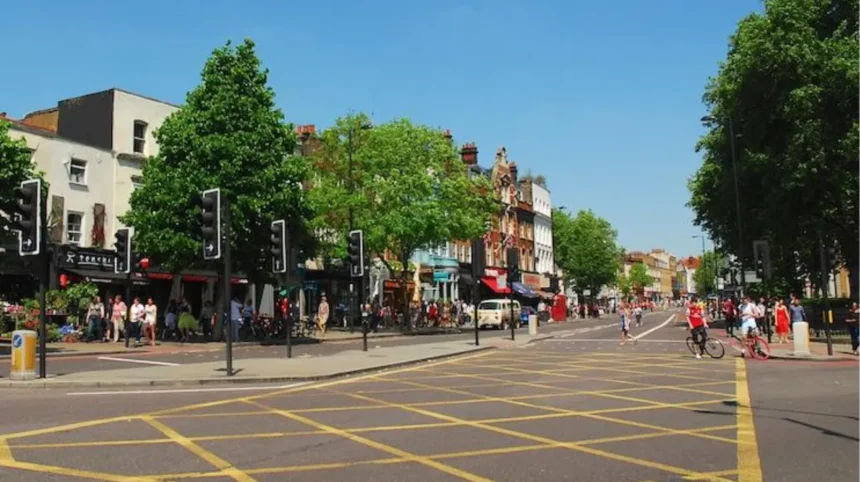
Islington offers a compact mix of historic streets, green spaces, canals, cultural venues, independent shops and food destinations. A leisurely day out in this North London borough can combine walking, waterside relaxation, local history and unhurried dining without requiring long journeys between locations.
- Which parts of Islington are best for a relaxed day out?
- What can visitors do along Upper Street in Islington?
- Why is Regent’s Canal a peaceful place to visit in Islington?
- What makes the Islington section of the canal distinctive?
- How can Regent’s Canal fit into a leisurely itinerary?
- Is Highbury Fields a good location for a relaxing afternoon?
- Which historic areas of Islington are suitable for a quiet walk?
- What is significant about Canonbury?
- Why should visitors explore residential neighbourhoods responsibly?
- Where can visitors find culture and creativity during a relaxed Islington day?
- How do theatres contribute to a day out in Islington?
- Are libraries and local institutions useful for leisure visitors?
- What food and café experiences suit a leisurely day in Islington?
- What should visitors consider when choosing a place to eat?
- Why are cafés useful for digital nomads and business travellers?
- How can visitors combine Islington’s locations into one leisurely day?
- What practical information should visitors know before spending a day in Islington?
- Why does Islington remain relevant as a North London leisure destination?
- What is the best way to enjoy a leisurely day out in Islington?
The borough lies immediately north of the City of London and includes neighbourhoods such as Angel, Highbury, Canonbury, Barnsbury and Clerkenwell. Its strong public transport connections make it accessible to visitors, while its network of parks, squares and quieter streets provides alternatives to London’s busiest visitor areas.
A relaxed itinerary in Islington works best when it focuses on a small number of connected locations. Upper Street, Regent’s Canal, Highbury Fields and the historic streets around Canonbury each provide a different experience. Cultural institutions and local markets add further options for visitors who want to spend a full day in the area.
Which parts of Islington are best for a relaxed day out?
Upper Street, Regent’s Canal, Highbury Fields and the Canonbury area provide four of Islington’s strongest locations for a leisurely day out, combining accessible transport, green space, historic surroundings, independent businesses and opportunities to walk at an unhurried pace.
These locations are close enough to combine into a wider day in North London, but each has a distinct character. Angel and Upper Street provide the busiest concentration of restaurants, theatres and shops. Regent’s Canal offers a quieter walking route beside the water. Highbury Fields provides open green space, while Canonbury contains residential streets and historic buildings.
Visitors should consider the type of day they want before choosing a route. A visitor interested in food and culture can centre a day around Upper Street. Someone seeking outdoor activity can combine Highbury Fields with the canal. A slower itinerary can move between Canonbury’s streets, local cafés and nearby public spaces.
The compact geography of central Islington also supports flexible planning. Visitors can stop for a meal, spend time in a park or explore a cultural venue without depending on a rigid timetable.
Why is Islington suitable for slow urban exploration?
Islington developed as a historic settlement north of London and later became an important residential and commercial district. This history produced a dense urban environment with Georgian and Victorian buildings, established streets and public spaces.
The area’s walkable layout remains one of its main advantages for leisure visitors. Many destinations are linked by short walking routes, particularly around Angel, Highbury and Canonbury.
As you explore the modern borough, you are also moving through an area shaped by centuries of London history. Read the full [Insert Anchor Text for History Article Here] to understand Islington’s historical development and the origins of its distinctive neighbourhoods.
What can visitors do along Upper Street in Islington?
Upper Street is a central destination for shopping, dining, theatre and people-watching, making it suitable for visitors who want a relaxed urban day with frequent opportunities to stop, eat and explore independent and established London businesses.
Upper Street runs through the centre of Islington and forms one of the borough’s best-known leisure and commercial corridors. The street connects the Angel area with Highbury and contains a broad concentration of restaurants, cafés, shops and cultural venues.
A leisurely visit does not require completing the full length of the street. Visitors can begin near Angel, explore individual side streets and stop at a café or restaurant before continuing north.
How does Upper Street support a full day out?
The street provides several different types of activity within a concentrated area. Shopping includes independent retailers and larger national businesses. Food options cover cafés, pubs and restaurants. Theatres and other cultural venues provide evening activities.
The Almeida Theatre is an important cultural institution on Upper Street. Founded in 1980, the theatre presents contemporary drama and new productions in a converted building dating from the nineteenth century.
The Screen on the Green, located on Upper Street, adds another cultural option. The cinema occupies a historic building and provides film screenings in the centre of the neighbourhood.
These venues allow visitors to extend a daytime visit into the evening without travelling to another part of London.
Which streets near Upper Street are worth exploring?
Several smaller streets create quieter alternatives to the main commercial route. Essex Road, Camden Passage and residential streets around Canonbury offer different scales of activity.
Camden Passage is particularly associated with independent shops and market activity. Its pedestrian-focused character provides a contrast with the traffic and busier pavements of Upper Street.
Visitors should allow time to explore these connected areas rather than treating Upper Street as a single shopping street. The surrounding network contains many of the details that define the wider neighbourhood.
Why is Regent’s Canal a peaceful place to visit in Islington?
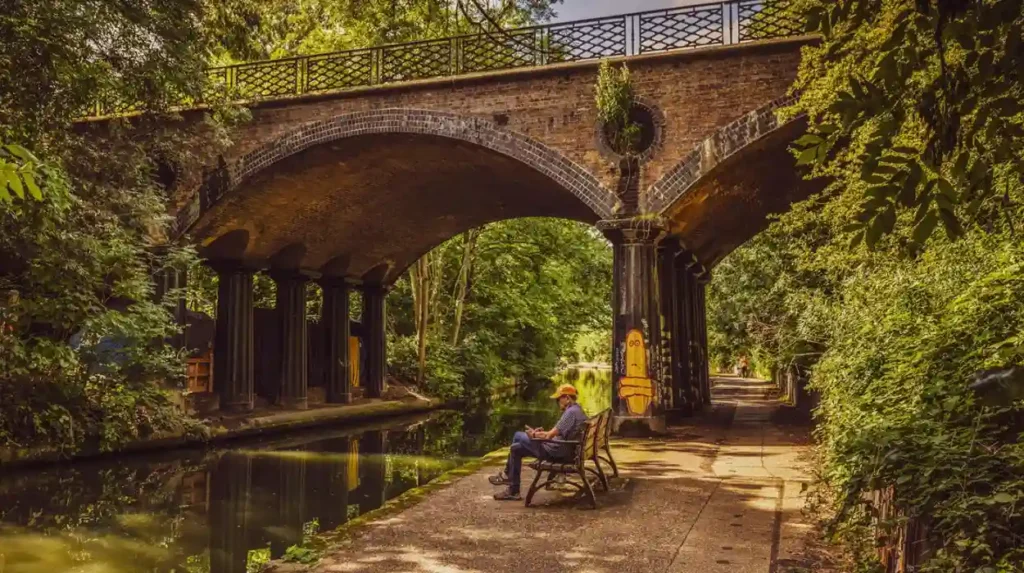
Regent’s Canal provides one of Islington’s most distinctive walking environments, with waterside paths, historic infrastructure, boats and links to surrounding neighbourhoods, giving visitors a calmer route away from major roads and crowded central London streets.
Regent’s Canal is a nineteenth-century waterway that crosses parts of North and East London. The canal was authorised in 1812 and constructed to improve connections between the Grand Junction Canal and the River Thames.
Its Islington section demonstrates the continuing importance of historic infrastructure within modern London. Towpaths provide walking routes beside the water, while bridges, locks and former industrial structures record the canal’s original commercial purpose.
What makes the Islington section of the canal distinctive?
The Islington area contains the Islington Tunnel, which is approximately 878 metres long. The tunnel was built because the construction of a deep cutting through the developed area presented major engineering and land-use challenges.
The canal towpath does not continue through the tunnel. Walkers follow streets above ground before rejoining the waterway.
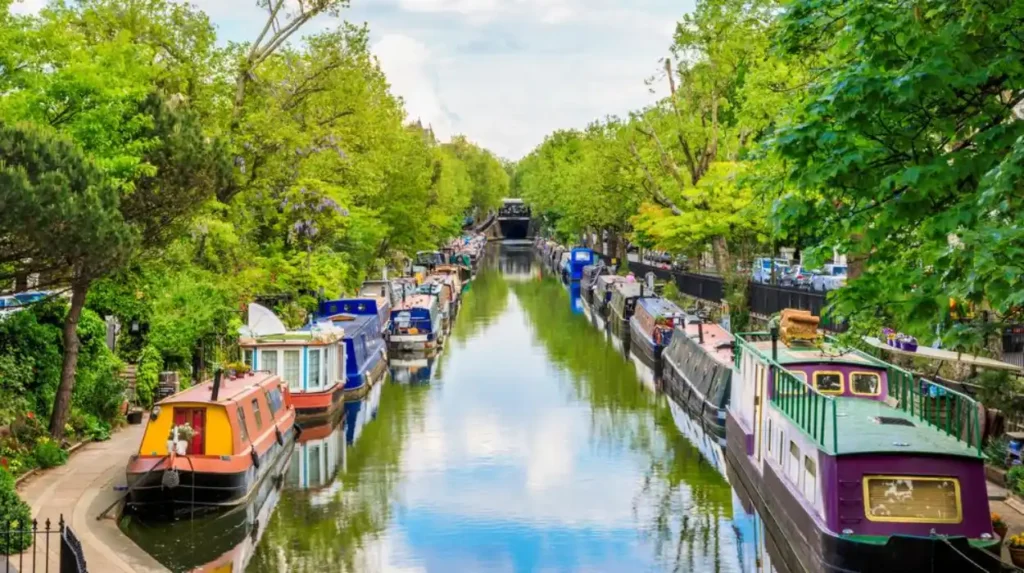
The canal environment supports a different pace from the surrounding road network. Narrowboats, waterside vegetation and changing views create a route that works well for a short walk or a longer exploration.
Visitors should remain aware that the towpath is shared by pedestrians and cyclists. Narrow sections require consideration for other users.
How can Regent’s Canal fit into a leisurely itinerary?
A canal walk can provide the outdoor section of a wider Islington day. Visitors can begin near Angel and walk towards neighbouring districts, stopping at public spaces and food destinations along the route.
The experience changes throughout the day. Morning visits often suit walkers seeking a quieter environment. Daytime exploration provides opportunities to observe the canal’s buildings and infrastructure. An early evening walk can connect naturally with dinner or a cultural event.
The canal also provides useful context for understanding London’s development. It demonstrates how transport infrastructure originally designed for commercial freight became part of the capital’s modern leisure and active-travel network.
Is Highbury Fields a good location for a relaxing afternoon?
Highbury Fields is one of Islington’s largest public green spaces and offers open lawns, mature trees, sports facilities and walking routes, creating a convenient destination for visitors seeking a quieter break from dense urban surroundings.
Highbury Fields is located in the Highbury area of northern Islington. The park provides a substantial open landscape within a densely developed part of London.
Its location makes it accessible from Highbury and Islington and from nearby residential areas. Visitors can combine a walk through the park with time on Upper Street or exploration of surrounding neighbourhoods.
What can visitors do at Highbury Fields?
The most straightforward activity is walking through the open space. Paths and open areas support informal recreation, while the surrounding streets provide architectural interest.
The fields also contain organised sports and recreational facilities. These facilities demonstrate the wider role of the space as a community resource rather than solely a visitor attraction.
A leisurely visit works particularly well when visitors avoid treating the park as a short transit route. Spending time on the open grass or walking around the perimeter provides a clear contrast with the enclosed streets nearby.
Why are public green spaces important for a London day out?
London’s parks provide environmental, recreational and social functions. Urban green space supports walking, informal exercise and time outdoors.
For visitors, parks also improve the structure of a day out. A visit to a museum, shop or restaurant can be followed by time in an open environment. This creates a balanced itinerary and reduces the need to move constantly between commercial destinations.
Highbury Fields is particularly useful because it remains close to transport, shops and residential neighbourhoods. Visitors can return to the surrounding urban area without a long journey.
Which historic areas of Islington are suitable for a quiet walk?
Canonbury and the residential streets around Barnsbury provide some of Islington’s strongest environments for quiet walking, with historic architecture, established gardens, listed buildings and streets that reveal the borough’s long residential development.
Islington’s historic character is not limited to individual monuments. Much of its heritage is visible in the layout of streets, terraces and public spaces.
Canonbury is one of the borough’s most recognisable historic districts. The area developed around an estate associated with the medieval Priory of St Bartholomew. Later residential development created the built environment that remains visible today.
What is significant about Canonbury?
Canonbury Tower is one of the area’s best-known historic structures. The tower dates from the sixteenth century and forms part of a group of buildings associated with the former Canonbury House.
The wider area contains streets of Georgian and Victorian housing. These buildings contribute to Islington’s architectural identity and show how the district changed as London expanded northwards.
A walk through Canonbury works best as an exercise in observation. Visitors can examine building materials, street layouts, garden squares and historic details while respecting that the area remains primarily residential.
Why should visitors explore residential neighbourhoods responsibly?
Historic residential streets are homes as well as visitor environments. Visitors should keep noise low, respect private property and avoid obstructing entrances.
Responsible exploration helps protect the quality of life that makes these areas attractive. It also supports a more accurate understanding of Islington as a living London borough rather than a collection of isolated tourist sites.
Where can visitors find culture and creativity during a relaxed Islington day?
Islington’s cultural offer includes theatre, cinema, galleries, libraries and independent creative businesses, allowing visitors to combine structured cultural activities with informal exploration and create a flexible day that continues from morning into the evening.
Culture forms an important part of Islington’s identity. The borough has long attracted writers, performers, artists and creative businesses because of its location and connections to central London.
The strongest cultural itinerary depends on individual interests. Theatre visitors can focus on Upper Street. Film visitors can include a cinema screening. Those interested in local life can explore bookshops, public spaces and independent businesses.
How do theatres contribute to a day out in Islington?
Theatre provides a clear focal point for an evening itinerary. The Almeida Theatre is internationally recognised for its productions and occupies an important position in Islington’s cultural landscape.
A theatre visit also creates a practical structure for the rest of the day. Visitors can explore nearby streets, have an early meal and then attend a performance.
This combination reduces unnecessary travel and allows more time to experience the neighbourhood itself.
Are libraries and local institutions useful for leisure visitors?
Libraries and other public institutions provide information about local communities and the services that support them. Historic buildings also contribute to the visual character of a neighbourhood.
Visitors should check opening times and access arrangements before planning a visit. Public institutions operate according to changing schedules, and special events can affect normal access.
What food and café experiences suit a leisurely day in Islington?
Islington’s cafés, restaurants, pubs and independent food businesses provide frequent opportunities to pause during a day out, with Upper Street, Angel and nearby neighbourhoods offering choices for breakfast, lunch, coffee and evening dining.
Food is best treated as part of the day’s route rather than as a separate activity requiring extensive travel. The concentration of businesses around Angel and Upper Street allows visitors to stop when convenient.
A relaxed itinerary benefits from leaving time between meals and other activities. A morning café visit can be followed by a canal walk. Lunch can follow shopping or cultural exploration. Dinner can conclude the day before a theatre performance or return journey.
What should visitors consider when choosing a place to eat?
Opening hours, accessibility, dietary requirements and booking policies are practical factors. Popular restaurants can become busy during weekends and evenings.
Visitors with specific dietary needs should check current menus directly with individual businesses. Menus and kitchen arrangements change, and accurate information is important for food allergies.
Outdoor seating and quieter indoor tables also affect the experience. Visitors seeking a peaceful break should consider the location of a venue rather than focusing only on its menu.
Why are cafés useful for digital nomads and business travellers?
Cafés can provide a convenient place for short periods of work between leisure activities. Reliable mobile connectivity, seating availability and local etiquette remain important considerations.
Digital nomads and business travellers should avoid assuming that every café is suitable for extended laptop use. Some businesses limit laptop use during busy periods or reserve tables for diners.
A practical approach is to choose a café for a short working session and then continue with the leisure itinerary. This allows visitors to combine professional responsibilities with local exploration.
How can visitors combine Islington’s locations into one leisurely day?
A well-planned Islington day can begin around Angel, continue through Upper Street or Regent’s Canal, include green space at Highbury Fields or historic walking in Canonbury, and finish with food, cinema or theatre.
The most effective route depends on where visitors arrive and how much walking they want to do. The following structure provides a flexible framework without requiring a strict schedule.
Start in the Angel area, where public transport connections provide access to Upper Street and nearby destinations. Spend the morning exploring local streets and independent businesses.
Continue towards a quieter location during the middle of the day. Regent’s Canal provides a waterside route, while Highbury Fields provides open green space.
The afternoon can focus on Canonbury or another historic residential area. Allow time for a café stop before returning to Upper Street for an evening meal or cultural activity.
How much time should visitors allow?
A half-day visit is enough to explore one or two connected areas. A full day provides time to combine several experiences without rushing.
Visitors should avoid planning too many fixed activities. Islington’s main strength for a leisurely day is the ability to move between different environments at a comfortable pace.
Travel time, venue opening hours and weather remain important planning factors. Checking current information before departure helps visitors build a realistic itinerary.
What practical information should visitors know before spending a day in Islington?
Visitors should plan around public transport, walking distances, venue opening times and accessibility requirements, while keeping their itinerary flexible enough to accommodate busy periods, weather conditions and changes to individual business schedules.
Islington is well connected to London’s transport network. Angel Underground station is served by the Northern line, while Highbury and Islington provides London Underground and rail connections.
Walking remains the most effective way to experience many local destinations. Comfortable footwear is useful because a typical day can involve several kilometres of walking.
How should visitors prepare for accessibility needs?
Step-free access varies between stations and venues. Pavement conditions and historic buildings also create different access conditions.
Visitors with mobility requirements should check official transport and venue information before travelling. This provides the most accurate details about entrances, lifts, toilets and accessible facilities.
Families with prams should also consider station access and the width of canal towpaths. Planning the route in advance helps avoid unnecessary detours.
When is the best time to explore Islington?
Different times of day produce different experiences. Morning generally provides a quieter environment for walking and visiting cafés. Afternoons bring greater activity to shops and leisure areas. Evenings concentrate dining and cultural activity around Upper Street.
Weekdays and weekends also differ. Weekend markets and leisure destinations can be busier, while some independent businesses operate reduced hours on specific days.
There is no single best itinerary for every visitor. The most effective approach is to match the route to the desired pace and activities.
Explore More Area Guide
Explore Upper Street: Islington’s Shops, Culture and Attractions
Best Things to Do Near Angel Station in Islington
Why does Islington remain relevant as a North London leisure destination?
Islington remains a significant leisure destination because it combines historic neighbourhoods, public green space, cultural institutions, waterside routes and independent businesses within a compact area that supports both short visits and full-day exploration.
The borough’s future relevance is linked to the continuing importance of accessible urban leisure. Visitors increasingly seek destinations that provide several experiences within walking distance.
Islington meets this need through its established streets and mixed-use neighbourhoods. A visitor can combine heritage, food, culture and outdoor activity without travelling across London between every stop.
The area’s historic fabric also provides continuity. Buildings and streets record earlier stages of London’s expansion, while theatres, cafés and public spaces support present-day community life.
For tourists and leisure travellers, this creates a destination that rewards slower exploration. For residents, it provides regular access to parks, culture and local businesses. For digital nomads and business travellers, it offers practical places to combine short periods of work with meaningful downtime.
What is the best way to enjoy a leisurely day out in Islington?
The best Islington day out combines a small number of connected destinations, allowing time for walking, green space, food and culture instead of attempting to visit every attraction, with Upper Street, Regent’s Canal, Highbury Fields and Canonbury forming a strong starting point.
Islington works best when visitors focus on the quality of time spent in each location. A canal walk does not need to cover the entire waterway. A visit to Upper Street does not require entering every shop. A historic neighbourhood can be explored through a simple, respectful walk.
This flexibility makes the borough suitable for different audiences and different lengths of visit. A tourist can build a full-day itinerary. A local resident can return to individual destinations. A business traveller can use a free afternoon to experience a concentrated part of North London.
The key locations each provide a separate element of a balanced day. Upper Street delivers food, shopping and culture. Regent’s Canal provides waterside walking and historic infrastructure. Highbury Fields supplies open green space. Canonbury provides historic streets and architectural context.
Together, these places explain why Islington remains one of North London’s most practical areas for a relaxed and enjoyable day out.
What are the best places to visit in Islington for a leisurely day out?
Some of the best places include Upper Street, Regent’s Canal, Highbury Fields, Canonbury and Camden Passage. These locations offer shopping, historic architecture, peaceful walks, green spaces and dining.