Key Points
- Refusal to Vacate: Independent café operator Hoxton Beach is refusing to surrender three prominent North London sites—Parliament Hill Fields Lido, Queen’s Park, and Highgate Wood—despite tenancy contracts expiring on 2 February 2026.
- Legal Shield Strategy: Owners Patrick Matthews and Emma Fernandez launched a judicial review challenge against the City of London Corporation, pausing the initial eviction process.
- Formal Possession Orders: The City of London Corporation initiated possession proceedings in court to force Hoxton Beach off the charitable sites.
- Retendering Controversy: Public backlash erupted after the Corporation awarded the operating contracts to Daisy Green, an Australian-style café chain founded by Prue Freeman.
- Community Resistance: Over 22,000 residents signed a petition opposing the municipal authority’s decision, with high-profile local figures including actors Benedict Cumberbatch and James McAvoy backing the existing management.
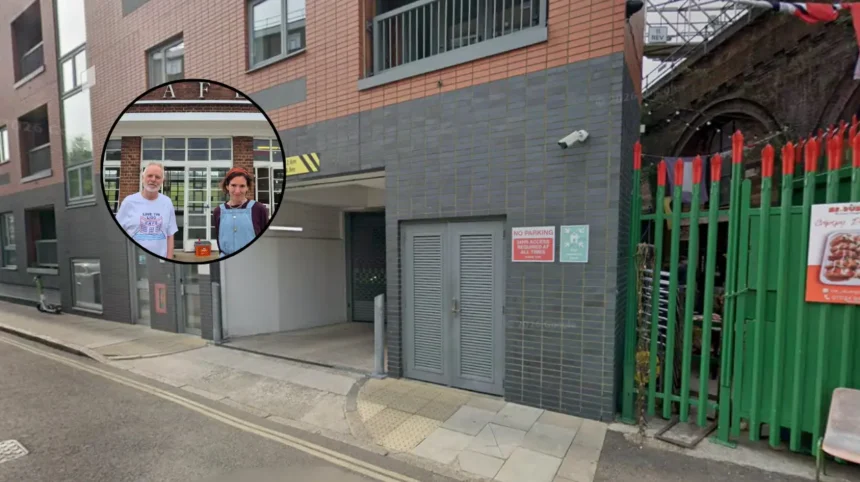
Hampstead Heath (North London News) October 3, 2026 — A prominent North London café operator has expressed relief as its potential eviction from three heavily frequented park sites appears to be further delayed following a contentious retendering dispute. Hoxton Beach, which operates dining venues at Parliament Hill Fields Lido, Queen’s Park, and Highgate Wood, was originally issued notice to vacate the premises by 2 February 2026 after municipal managers awarded the management contracts to alternative operators. However, the business remains open and operational, stating through legal representatives that any forced physical removal is “not happening any time soon” while ongoing procedural challenges wind through the court system.
- Key Points
- Why Is The City Of London Corporation Taking Legal Action Against Hoxton Beach?
- How Did The Dispute Reach The High Court?
- Who Is Replacing Hoxton Beach And Why Has The Selection Proven Controversial?
- Background Of The Particular Development
- Prediction: How This Development Can Affect Stakeholders
Why Is The City Of London Corporation Taking Legal Action Against Hoxton Beach?
As reported by Niva Yadav of The Evening Standard, the City of London Corporation officially launched court possession proceedings against Hoxton Beach after the firm refused to hand over keys at the end of its contractual tenure. The local governing body, which acts as the trustee for the open spaces, confirmed that formal legal steps were initiated to reclaim the properties after commercial negotiations broke down.
In a official statement obtained by local media, a spokesperson for the City of London Corporation declared that
“Hoxton Beach have refused to leave the cafés they occupy despite their tenancies having been terminated”.
The spokesperson further clarified that
“the City Corporation may, if appropriate, seek an order for possession from the county court to enforce the turnover of the premises to the newly appointed provider”.
Chair of the City of London Corporation’s Hampstead Heath, Highgate Wood, and Queen’s Park Committee, Alderman Gregory Jones KC, publicly voiced frustration over the ongoing stalemate. As quoted by Niva Yadav in The Evening Standard, Alderman Jones KC stated:
“It is regrettable that so much officer time and charitable resource has been diverted into legal action”.
How Did The Dispute Reach The High Court?
As reported by Joanna Partridge of The Guardian, café owners Patrick Matthews and Emma Fernandez mounted a comprehensive legal defense centered on a judicial review application. The legal challenge alleges that the retendering process administered by the City Corporation lacked administrative transparency, contained procedural flaws, and failed to adequately weight community interest.
Joanna Partridge highlighted in The Guardian that the operators successfully raised more than £9,000 through a public crowdfunding campaign to underwrite their legal expenses against the municipal corporation. Speaking on the temporary pause achieved through court filings, Mr Matthews described the procedural delay to news outlets as “small mercies,” noting that the legal team remains steadfast in contesting the decision-making framework applied by the trust officers.
According to regional legal updates, the court granted an interim reprieve while judges review whether the City of London Corporation adhered to statutory guidance for public sector procurement and charitable land management when selecting the replacement tenant.
Who Is Replacing Hoxton Beach And Why Has The Selection Proven Controversial?
The contract for all three sites was awarded to Daisy Green Collection, an Australian-inspired food and hospitality group headed by founder Prue Freeman. The Corporation defended its selection process by stating that Daisy Green presented a superior commercial and operational tender that aligned with statutory funding mandates for park maintenance.
As documented by Niva Yadav of The Evening Standard, a spokesperson for the City Corporation confirmed that Daisy Green’s winning proposal included significant promises to:
- Re-fit and modernize aging café facilities across all three parks.
- Direct a portion of revenues into green space maintenance and regional community initiatives.
- Retain existing operational staff members while guaranteeing payment of the London Living Wage.
- Purchase commercial kitchen and service equipment directly from Hoxton Beach where feasible to ease the transition.
Despite these contractual commitments, the selection of a multi-location commercial brand over an established local vendor ignited considerable community backlash. Over 22,000 residents and park users signed a public petition demanding that the Corporation retain Hoxton Beach. High-profile patrons, including actors Benedict Cumberbatch and James McAvoy—both regular visitors to the Parliament Hill Lido site—publicly endorsed the incumbent owners’ campaign to stay.
Background Of The Particular Development
The current dispute represents the latest chapter in what local commentators have dubbed London’s ongoing “park café wars,” a recurring conflict over commercial leasing across public green spaces managed by municipal authorities.
The City of London Corporation acts as the custodian of several major parks under statutory trusts, including Hampstead Heath, Highgate Wood, and Queen’s Park. Historically, catering services across these sites were handled by long-term independent operators under multi-year leases. As part of its legal obligations under the Charities Act and local governing statutes, the Corporation is required to periodically open lease agreements to open market tendering to secure best value and generate revenue for park upkeep.
In previous procurement cycles across City-managed spaces, retendering initiatives provoked similar friction between local communities preferring familiar independent vendors and municipal officers attempting to maximize commercial revenues. When the lease terms for the Lido, Queen’s Park, and Highgate Wood locations approached expiration in late 2025, the Corporation initiated a consolidated procurement process for all three properties, leading directly to the current standoff.
Prediction: How This Development Can Affect Stakeholders
The eventual outcome of the litigation and possession proceedings will directly influence three main groups:
1. Local Residents and Park Visitors
If Hoxton Beach is successfully removed, regular visitors and lido swimmers will experience a shift in atmosphere, menu choices, and pricing models as Daisy Green converts the sites. While the new operator promises facility upgrades, community members who value independent local character fear the loss of established social hubs. Conversely, if Hoxton Beach prevails in court, local users retain their familiar services, though planned infrastructure upgrades to the café buildings may be delayed.
2. Independent Small Business Operators
A ruling in favor of Hoxton Beach’s judicial review could establish a far-reaching administrative precedent for how public land managers execute commercial tenders. Independent hospitality businesses operating on council-owned or charitable land would gain stronger legal protections to challenge retendering decisions perceived as favoring larger corporate chains. If the City Corporation secures a swift possession order, local authorities across London will maintain broad discretion to prioritize financial returns over local tenancy continuity.
3. The City of London Corporation and Municipal Finances
Continued legal proceedings create prolonged financial exposure for the City Corporation, drawing resources away from core park conservation functions. Furthermore, protracted court battles prolong lease instability across key income-generating assets, threatening rental revenue streams that directly subsidize the upkeep of Hampstead Heath and surrounding public estates.