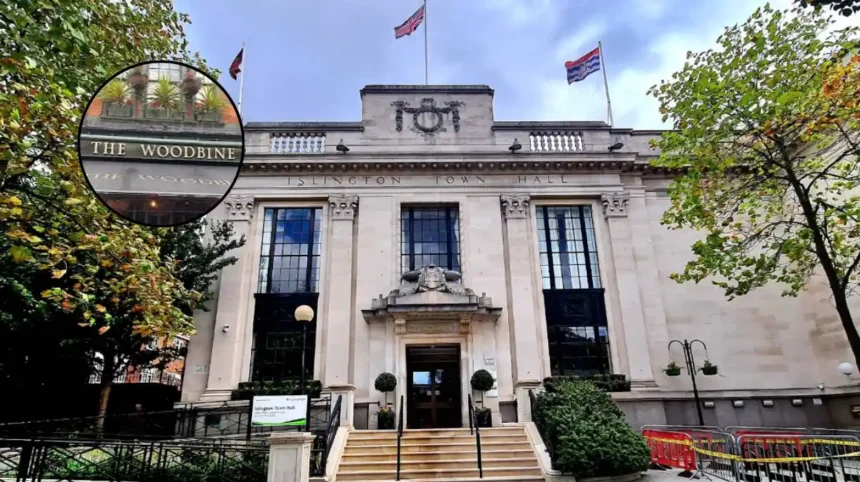
Key Points
- Islington Council refused controversial plans to develop six flats above the Woodbine pub on Blackstock Road, Highbury.
- Roughly 300 objections were submitted by pub regulars, councillors, and nearby residents who claimed they only learned of the proposals in the week before consultations closed.
- Building owners Bank Estates Limited, based in Salford, submitted the plans in April.
- The development would have encroached on 30% of the ground floor’s space, making the pub “completely unviable” to continue despite claims of no trade impact.
- Cat Barry, a Woodbine regular who led the opposition campaign, described herself as “delighted” at the decision.
- The ruling comes amid a wave of pub closures in the borough: Archway pub Brendan the Navigator shut suddenly this month, and Charlotte Despard confirmed its last pint will be poured on June 27.
- The British Beer and Pub Association reports pubs are closing at approximately 2 per day nationwide, with 161 closures in the first three months of this year.
- The Woodbine pub has existed for over 100 years and is described as one of Blackstock Road’s “most prized community assets”.
- Two pubs have already announced closure in the borough this month.
- Campaigners said the decision demonstrates the council is listening to residents, neighbours, and community members.
Highbury (North London News) June 19, 2026 – Controversial plans to develop flats above a Highbury pub have been refused by Islington Council, after hundreds of people objected to the proposals. Anxieties were soothed this week as the Town Hall ruled against the development above the Woodbine, one of Blackstock Road’s “most prized community assets”, which has existed for over 100 years. Two pubs have already announced their closure in the borough this month.
- Key Points
- Why Did Around 300 People Object to the Flats Development?
- How Does This Decision Fit Into Wider Pub Closure Trends Across Britain?
- What Made the Woodbine Pub So Important to Blackstock Road Community?
- How Did Campaigners Describe the Council’s Response to Their Objections?
- Background: The Development That Was Refused
- Prediction: How This Development’s Rejection Can affect North London Pub Regulars and Local Residents
Plans for six flats above the Woodbine were submitted in April by building owners and property company Bank Estates Limited, which is based in Salford. Roughly 300 objections were submitted by pub regulars, councillors and nearby residents who said they only became aware of the proposals in the week before consultations closed. Despite claiming there would be no impact on the Woodbine’s trade, the plans would have encroached on 30 per cent of the ground floor’s space, making it “completely unviable” to continue.
Why Did Around 300 People Object to the Flats Development?
Cat Barry, a Woodbine regular who led on the campaign to oppose the development, said she was “delighted” at the decision. She told the Tribune: “The pub space is used by such a diverse range of people: residents, families and football fans.”
“It was a vote of confidence that the council are actually looking at our points and listening. It’s nice to know that as residents, neighbours and members of the community your voice is being heard,”
Barry added.
“We all had different points and connections to the pub that we thought were important, and they were clearly represented in what the council came back with.”
How Does This Decision Fit Into Wider Pub Closure Trends Across Britain?
The news will come at a welcome time, as this month Archway pub Brendan the Navigator suddenly shut its doors due to “longstanding issues with developers”, whilst the Charlotte Despard confirmed its last pint will be poured on June 27. Across the country, the British Beer and Pub Association said that pubs were closing at a rate of approximately 2 per day, and 161 closed in the first three months of this year.
Ms Barry added:
“We just need more spaces like this, independent businesses where people can come together. And I’ll always raise a glass to that.”
“I’m really happy that the community came together and was able to influence Islington’s decision. Even if they didn’t drink in the pub, most people I spoke to were pretty understanding that this decision would affect them or their community in some way, so it was great to see people invest their time and effort!”
What Made the Woodbine Pub So Important to Blackstock Road Community?
The Woodbine pub has existed for over 100 years and is described as one of Blackstock Road’s “most prized community assets”. The pub space serves a diverse range of people including residents, families, and football fans. The development plans would have encroached on 30 per cent of the ground floor’s space, which campaigners argued would make continuing trade “completely unviable”.
How Did Campaigners Describe the Council’s Response to Their Objections?
Cat Barry, who led the campaign to oppose the development, told the Tribune that the council’s decision represented
“a vote of confidence that the council are actually looking at our points and listening”.
She emphasised that
“as residents, neighbours and members of the community your voice is being heard”.
Barry noted that campaigners
“all had different points and connections to the pub that we thought were important, and they were clearly represented in what the council came back with”.
Background: The Development That Was Refused
Plans for six flats above the Woodbine pub on Blackstock Road, Highbury, were submitted in April by building owners and property company Bank Estates Limited, based in Salford.
The controversial proposal came despite the pub’s status as one of Blackstock Road’s “most prized community assets”, having existed for over 100 years.
The development would have encroached on 30 per cent of the ground floor’s space. Although Bank Estates Limited claimed there would be no impact on the Woodbine’s trade, campaigners argued the encroachment would make continuing operations “completely unviable”.
Roughly 300 objections were submitted by pub regulars, councillors, and nearby residents. Many objectioners said they only became aware of the proposals in the week before consultations closed, raising concerns about the consultation process timeline.
Islington Council’s Town Hall ruled against the development this week, throwing out the bid for pub flats. The decision represents a victory for campaigners who led the opposition effort.
Explore More Islington Council News
Council Fails Homeless Woman Awaiting Surgery: Islington 2026
Islington Planning Applications: Home Extensions and Digital Boards, Islington 2026
Prediction: How This Development’s Rejection Can affect North London Pub Regulars and Local Residents
This development’s rejection can affect North London pub regulars and local residents in several significant ways. With pubs closing across the country at approximately 2 per day according to the British Beer and Pub Association, and 161 closures in the first three months of this year alone, every preserved pub becomes increasingly critical to community infrastructure.
For Woodbine regulars like Cat Barry, the decision provides reassurance that community voices can influence council decisions. Barry noted that
“most people I spoke to were pretty understanding that this decision would affect them or their community in some way”,
suggesting broader awareness of how pub closures impact neighbourhoods beyond just drinkers.
In the borough itself, where two pubs have already announced closure this month—including Archway pub Brendan the Navigator’s sudden shutdown due to “longstanding issues with developers” and Charlotte Despard’s confirmed final pint on June 27—this victory may galvanise further community opposition to similar developments. Residents who witnessed the successful campaign may feel more empowered to object to future proposals affecting local independent businesses.
The decision also reinforces the importance of independent businesses as community spaces. Barry stated:
“We just need more spaces like this, independent businesses where people can come together.”
For football fans, families, and residents who use the pub as a social hub, preserving such spaces maintains vital community infrastructure in an era of accelerating pub closures.
However, the broader trend remains challenging. With 161 pubs already closed in just three months nationally, isolated victories like this one cannot reverse the overall decline unless accompanied by wider policy changes supporting independent pub businesses against developer pressure.