Key Points
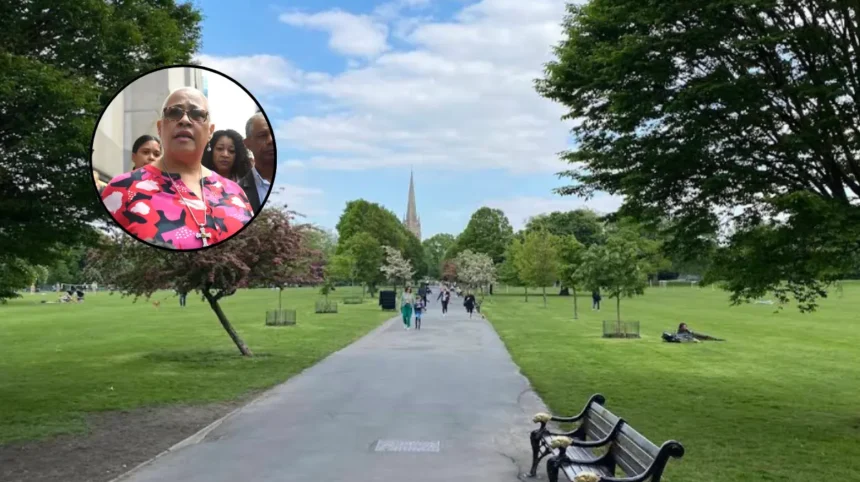
- Institutional Criticism: Mina Smallman, mother of murdered sisters Bibaa Henry and Nicole Smallman, has publicly stated that the Metropolitan Police Service fails to take all cases of violence against women seriously and “decides who matters”.
- Reform Viability: Smallman asserted that Britain’s largest police force remains fundamental and “incapable of change” despite ongoing public scrutiny.
- Catalyst Incident: Her statement follows recent revelations surrounding 40-year-old sex offender Simon Levy, who was left free to murder two women due to systemic police failures.
- Allegations of Bias: Smallman highlighted that one of Levy’s victims, a sex worker, was not taken seriously by investigators until he subsequently murdered a mother of four, prompting the police to link the cases.
- Historical Misconduct Context: Smallman’s daughters were murdered in a north London park in 2020 by Danyal Hussein; two serving Met Police officers were subsequently imprisoned in 2021 for taking and sharing photographic images of the deceased victims in WhatsApp groups.
London (North London News) August 13, 2026 –As reported by Helena Horton of The Guardian, Mina Smallman, whose daughters were killed in a north London park in 2020, stated that the Metropolitan Police does not take all cases of violence against women seriously and instead “decides who matters”. Smallman made these remarks while addressing the wider implications of police operational conduct, asserting that the UK’s largest police force is inherently incapable of structural change.
What prompted Mina Smallman’s critique of the Metropolitan Police?
The commentary from Smallman comes in response to police handling of sex offender Simon Levy, 40, who remained free to murder two women following significant law enforcement operational failures.
Highlighting systemic disparities in how victims are treated during active investigations, Smallman noted the contrast in how law enforcement responded to different victims associated with the same perpetrator.
As reported by Helena Horton of The Guardian, Smallman stated that
“One of the women that were murdered, because she was a sex worker, she wasn’t taken seriously. They didn’t look into her murder until he murdered a mother of four, and then they joined the two cases together.”
How do past Met Police misconduct cases relate to these developments?
The criticism connects to long-standing institutional challenges within the Metropolitan Police regarding institutional bias, culture, and operational integrity. Smallman’s own daughters, Bibaa Henry and Nicole Smallman, were murdered in Fryent Country Park in Brent, north London, in June 2020 by teenager Danyal Hussein.
Following the double murder, the subsequent police conduct drew widespread condemnation when two serving Metropolitan Police officers, Deniz Jaffer and Jamie Lewis, were jailed in 2021.
The officers were tasked with guarding the crime scene but instead took unauthorised, inappropriate photographs of the deceased sisters’ bodies, sharing them in WhatsApp groups and referring to the victims as “dead birds”. The incident served as a focal point for public outcry over internal attitudes toward victims of violent crime.
Explore More Local North London News
Cycle Islington Exhibition Celebrates 50 Years of Activism: Islington 2026
Barnet Hill Academy Becomes Voluntary Aided School in West Hendon 2026
Background of the Particular Development
The Metropolitan Police Service has faced persistent oversight, public inquiries, and external reviews over its handling of cases involving violence against women and girls (VAWG). The landmark Casey Review, published in 2023, concluded that the force suffered from systemic institutional racism, misogyny, and homophobia.
The case of Simon Levy serves as another instance where police tracking, risk assessment, and cross-case investigative procedures were scrutinised for failing to protect vulnerable individuals.
The delay in linking violent attacks across different demographics—specifically sex workers compared to non-sex-worker victims—highlights enduring concerns regarding victim prioritization and operational prejudice within investigative units.
Prediction
- Erosion of Public Confidence: Repeated operational failures and statements from high-profile advocates like Mina Smallman are likely to deepen mistrust among marginalized communities—particularly sex workers and minority groups—reducing their likelihood of reporting violent crimes or cooperating with police enquiries.
- Increased Oversight Demands: Political leaders and oversight bodies, such as the Mayor’s Office for Policing and Crime (MOPAC) and the Independent Office for Police Conduct (IOPC), will face intensified pressure to enforce mandatory reforms, strict disciplinary standards, and independent handling of VAWG investigations.
- Shift Toward Community-Led Advocacy: As skepticism regarding internal police reform grows, victim support organizations and civil rights groups may reallocate resources toward independent safety networks, legal accountability frameworks, and external watchdog initiatives rather than relying solely on police reform programs.