Key Points:
- Around 150 residents, community groups, and business owners gathered at The Charterhouse to celebrate 23 years of the Islington in Bloom competition.
- Nearly 300 entries were submitted this year across various categories, including Best Estate, Best Edible Garden, Best Blooming Business, Best Balcony, and Best Tree Pit Garden.
- Organisers emphasised sustainability, biodiversity, and climate resilience over aesthetic perfection, especially following severe heatwaves and drought conditions.
- Key award recipients included Thornhill Houses Communal Garden (Best Estate), Friends of Fortune Street Park (Best Edible Garden), and the Quentin Blake Centre for Illustration (Best Blooming Business).
- Official figures highlighted the challenges posed by extreme weather, climate change, and temporary hosepipe bans across the London borough.
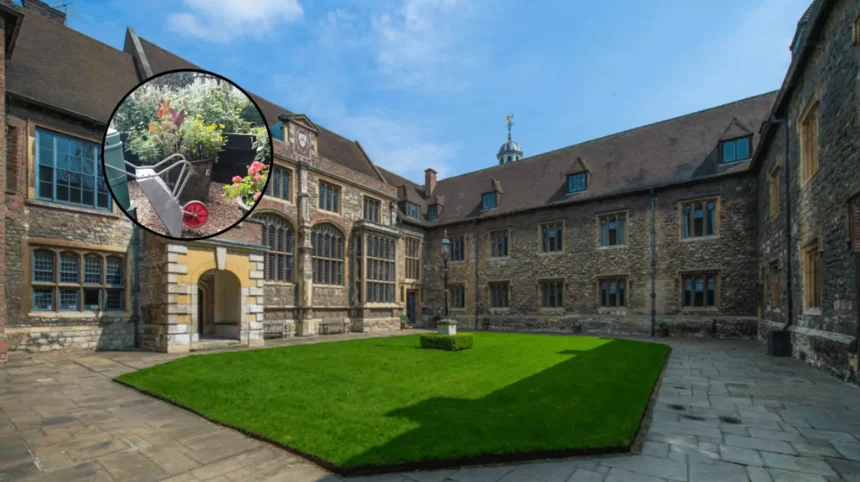
Islington (North London News) October 1, 2026 – Communities across the London Borough of Islington have been officially recognised for their horticulture and conservation efforts at the 23rd annual Islington in Bloom awards ceremony held at the historic Charterhouse venue.
Around 150 local gardeners, business operators, and community volunteers attended the event in the historic Great Chamber at The Charterhouse—a room originally constructed in the 1540s where Queen Elizabeth I met her privy council prior to her coronation. The competition attracted nearly 300 entries across an extensive range of categories designed to ensure participation regardless of whether residents owned private green spaces. Awards were distributed for categories including Best Balcony, Best Front Garden, Best Container Garden, Best Hidden Gem, Best Street, Best Tree Pit Garden, Best Estate, Best Edible Garden, and Best Blooming Business.
Judging criteria focused heavily on creative and sustainable gardening practices that support wildlife and local biodiversity, rather than formal or pristine aesthetics. Key awards were presented to Thornhill Houses Communal Garden, which secured the title of Best Estate; Friends of Fortune Street Park, which received the award for Best Edible Garden; and the Quentin Blake Centre for Illustration, which was named Best Blooming Business.
Who Were the Major Winners and Categories at the Islington in Bloom Celebration?
As reported by official council proceedings and local event organisers, the competition showcased a broad spectrum of green spaces ranging from small residential window boxes to expansive estate grounds. By offering inclusive categories such as tree pit gardens and street-wide displays, the event sought to engage residents regardless of their access to private gardens.
The category for Best Estate was awarded to Thornhill Houses Communal Garden in recognition of its collective maintenance and neighborhood engagement. The accolade for Best Edible Garden went to Friends of Fortune Street Park for their productive community-led agricultural efforts, while the Quentin Blake Centre for Illustration took top honours in the Best Blooming Business category for integrating sustainable planting into a commercial footprint.
How Has Climate Change Affected Local Gardening in Islington?
The 23rd iteration of the competition took place against a backdrop of challenging climatic conditions, including prolonged summer heat and localized water restrictions. Organisers noted that gardeners faced significant obstacles throughout the growing season due to high temperatures and drought conditions.
Addressing the audience at the event, Councillor Rowena Champion, Executive Member for Climate, Environment and Transport, stated:
“Islington residents, community groups and businesses have shown yet again their amazing contribution to making Islington such a great place to live, with a wide range of creative and biodiverse gardening projects in large and small spaces alike.”
Councillor Champion further highlighted the necessity of environmental adaptation, adding:
“It’s fantastic to see so many entries, especially after the very hot weather this year, it is testament to the dedication of local people. It is also a reminder that we need to adapt to the changing climate and make our gardens and green spaces more resilient by managing resources like soil and water, so we can continue growing things despite hotter, drier conditions.”
Representing local horticultural advocates, Dorothy Boswell of Islington Gardeners reinforced the need to adapt traditional techniques to meet shifting environmental demands.
As stated by Dorothy Boswell of Islington Gardeners,
“The drought and hosepipe ban have been a real challenge for gardeners this year. Climate change means we all have to change the way we garden and the plants we choose.”
Boswell further detailed the broader philosophy of the event, stating:
“Islington in Bloom isn’t about perfection – the competition celebrates the passion that people bring to creating beautiful, biodiverse green spaces that encourage pollinators and wildlife whether it’s in a community garden, a tree pit or the amazing planting being done by children in schools.”
What Is the Background of the Islington in Bloom Competition?
Islington in Bloom was established over two decades ago as a localized horticultural initiative designed to improve the urban environment across one of London’s most densely populated boroughs. Over its 23-year history, the annual competition has expanded from traditional floral judging to encompass broader ecological and urban greening objectives.
The inclusion of categories such as tree pit gardens and communal estate spaces was introduced to accommodate urban density, where private outdoor space is limited for a large portion of the population. In recent years, the borough council and local gardening networks have increasingly aligned the competition’s objectives with climate adaptation strategies, encouraging residents to prioritize drought-resistant flora, rainwater harvesting, soil preservation, and the establishment of wildlife corridors to support local biodiversity.
Prediction: How Will This Development Affect the Local Islington Community?
The continued emphasis on climate-resilient, community-driven horticulture is likely to shape urban planning and community environmental initiatives across Islington in several key ways:
- Shift Towards Climate-Resilient Gardening Practices: As weather patterns produce drier summers and higher average temperatures, local gardeners, schools, and businesses are expected to shift away from water-intensive plants toward drought-tolerant, native species. This will likely lead to an increased adoption of sustainable water management techniques, such as greywater recycling and mulching, across residential and commercial properties.
- Expansion of Micro-Greening in Urban Areas: The sustained interest in non-traditional categories, such as tree pits, balconies, and communal residential grounds, indicates that future borough initiatives will likely offer greater formal support for guerrilla gardening and micro-greening. This expansion will assist in mitigating the urban heat island effect across densely populated housing estates.
- Enhanced Local Ecological Connectivity: By incentivizing biodiversity and pollinator-friendly habitats over aesthetic perfection, community gardens throughout Islington will contribute to a more connected green infrastructure network. This shift is anticipated to bolster urban wildlife populations, including insects and birds, while providing accessible green spaces that improve health and wellbeing for local residents.