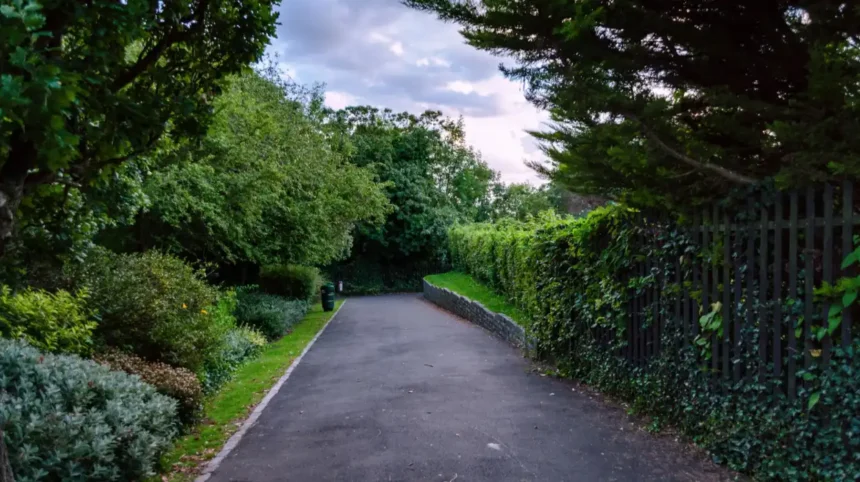
Barnet offers a wide range of peaceful places for an unhurried afternoon, from historic village greens and ancient woodland to formal gardens, nature reserves and open countryside. The borough is one of London’s greenest areas, with more than 250 parks and open spaces covering over 1,200 hectares. It also contains 2,466 hectares of Green Belt land.
- What makes Barnet suitable for a quiet afternoon?
- Which Barnet parks are best for a peaceful afternoon?
- Where can visitors enjoy a quiet afternoon around Totteridge?
- Which places in High Barnet offer a quieter alternative to the town centre?
- Where can visitors find woodland and nature in Barnet?
- Which Barnet places are suitable for a quiet afternoon with historic surroundings?
- Where can visitors take a quiet walking route in Barnet?
- Can visitors find peaceful green spaces close to public transport?
- What should visitors consider when planning a quiet afternoon in Barnet?
- Why are Barnet’s quiet places important for the future of north London?
For visitors avoiding central London crowds, this combination of green space, historic neighbourhoods and quieter walking routes creates several options for spending an afternoon away from busy tourist districts. The best locations depend on whether the priority is a woodland walk, landscaped gardens, heritage surroundings, open views or a short local stroll.
What makes Barnet suitable for a quiet afternoon?
Barnet is suitable for quiet afternoons because its extensive network of parks, commons, woodland, green spaces and historic neighbourhoods provides alternatives to busy central London attractions. More than 250 parks and open spaces cover over 1,200 hectares across the borough.
Barnet occupies a large area of north London and includes suburban neighbourhoods, conservation areas, woodland, playing fields, commons and sections of the Metropolitan Green Belt. This geographical variety gives visitors different levels of tranquillity.
The borough council identifies formal parks and gardens, wild landscapes, Green Belt areas and leafy river valleys as important components of Barnet’s open-space network.
Quietness in Barnet is therefore not limited to one type of attraction. A peaceful afternoon can involve sitting in a landscaped garden, walking through woodland, exploring a historic village or following a green walking route.
For visitors, the most useful approach is to choose a destination according to the type of afternoon required. Hadley and Monken Hadley suit heritage and countryside walks. Totteridge suits historic village exploration. Friary Park suits gardens and leisurely recreation. Edgwarebury Park and other open spaces provide more extensive outdoor environments.
Barnet also has an established network of active trails. The council provides free 1 km, 2.5 km and 5 km routes across selected parks and open spaces. Routes include Barnet Playing Fields, Edgwarebury Park, Scratchwood Open Space and Sunny Hill Park.
Which Barnet parks are best for a peaceful afternoon?
Friary Park, Monken Hadley Common, Hadley Green, Edgwarebury Park, Sunny Hill Park and smaller local green spaces provide different forms of peaceful recreation. Each offers walking, sitting, nature observation or open-air relaxation away from major visitor concentrations.
Friary Park
Friary Park in Friern Barnet is a formal Edwardian park created around the grounds of Friary House. Barnet Council describes it as containing quiet, intimate gardens as well as larger open spaces.
The park contains gardens, a water feature, wildlife interest, a café, tennis courts, bowls facilities and walking opportunities. Its mixture of landscaped areas and open lawns provides different settings for a slower afternoon.
Friary Park also has a designated health walk on Wednesdays from 9.30am to 10.30am. The park is served by buses including routes 234, 383 and 634.
Monken Hadley Common
Monken Hadley Common is one of the useful choices for visitors seeking a woodland and common-land setting. Barnet Council lists it on Camlet Way in Hadley, EN5.
The common forms part of the historic landscape around High Barnet and Hadley. Its trees, paths and open sections create a setting suited to walking rather than intensive sightseeing.
The area also connects naturally with other nearby green spaces. Visitors can combine Monken Hadley Common with Hadley Green and the surrounding historic streets for a longer afternoon.
Hadley Green
Hadley Green provides a quieter alternative to the commercial centre of High Barnet. It is located beside the Great North Road and forms part of the historic Hadley landscape. Barnet Council lists both Hadley Green and Hadley Common among its green spaces.
The open green is particularly suitable for visitors who want a short walk combined with historic surroundings. The nearby buildings and roads retain elements of the area’s older settlement pattern.
The setting also makes it possible to create an afternoon itinerary without relying on major attractions. A visitor can walk through the green, explore nearby streets and continue towards Monken Hadley.
Edgwarebury Park
Edgwarebury Park is an open green space on Edgwarebury Lane. It is included among Barnet’s active-trail locations, giving visitors access to a mapped walking route.
Its location on the western side of the borough gives it a different character from the more built-up neighbourhoods around central High Barnet and Finchley.
The park works well for visitors who want an afternoon centred on walking. The council’s active-trail system provides route information and difficulty ratings, helping visitors choose an appropriate distance.
Where can visitors enjoy a quiet afternoon around Totteridge?
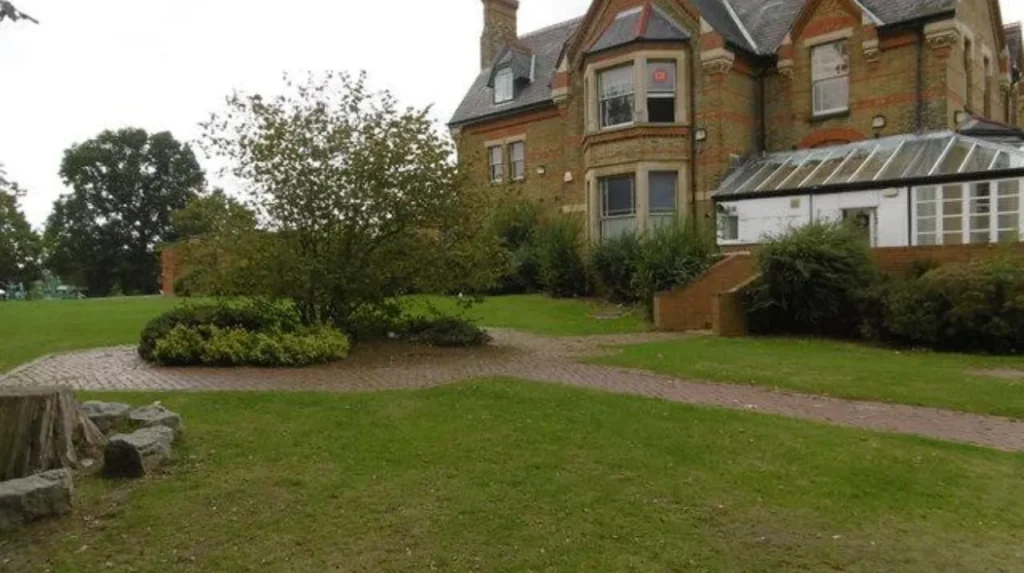
Totteridge provides a particularly strong combination of village character, historic buildings, green spaces and walking routes. Totteridge Common, Totteridge Village and Totteridge Lane retain an old settlement pattern, while nearby green areas provide space for slower exploration.
Totteridge is one of Barnet’s most historically distinctive areas. Barnet Council’s local history material states that the name is Saxon in origin and means “Tata’s ridge”. The earliest recorded references date from the 13th century.
The area developed along higher ground where drainage was better than in surrounding clay areas. Historic settlement became concentrated along what are now Totteridge Common, Totteridge Village and Totteridge Lane.
St Andrew’s churchyard is another significant feature. Barnet Council states that an ancient yew tree there is believed to be at least 1,000 years old.
As you explore the modern village, you are crossing land with a deep heritage. Read about the full History of West London to understand how historic settlement patterns, transport routes and suburban development shaped London’s western and northern landscapes.
Totteridge is particularly useful for visitors who want quiet sightseeing without entering a conventional attraction. The experience centres on the physical environment itself: historic buildings, lanes, common land, mature trees and village-scale streets.
Which places in High Barnet offer a quieter alternative to the town centre?
Hadley Green, Hadley Common, Monken Hadley Common and nearby open spaces provide quieter alternatives to the commercial centre of High Barnet. These locations combine historic landscapes with greenery and walking opportunities within a compact northern Barnet area.
High Barnet contains shops, restaurants, transport connections and busy streets, but the surrounding area changes quickly into a greener landscape.
Barnet Council’s parks directory lists Hadley Common, Hadley Green, Hadley High Stone and Monken Hadley Common as separate green-space locations.
This concentration allows visitors to construct a short walking circuit. Hadley Green provides open space, while Monken Hadley Common provides a more wooded environment.
The historic context also adds substance to a quiet walk. High Barnet and Hadley developed around the Great North Road, one of the historic routes linking London with northern England.
A quiet afternoon here does not require a packed itinerary. Walking, observing historic buildings and spending time in the open spaces provides the main activity.
Where can visitors find woodland and nature in Barnet?
Coppetts Wood, Scratchwood Open Space, Edgwarebury Park and other designated green spaces provide woodland and nature-focused settings across Barnet. These locations support walking, wildlife observation and outdoor recreation without requiring a major sightseeing attraction.
Barnet’s green network extends beyond formal parks. The council’s parks directory lists woodland and open-space locations including Coppetts Wood and Scratchwood Open Space.
Coppetts Wood is located around Colney Hatch Lane and extends across the boundary between several north London neighbourhoods. It offers a woodland setting within a heavily urbanised part of London.
Scratchwood Open Space provides another option for visitors seeking a longer outdoor walk. It is also included in Barnet Council’s active-trail programme.
Visitors should treat woodland paths as outdoor routes rather than formal pedestrian pavements. Weather affects ground conditions, particularly during wetter periods.
The council states that many active trails cross grassed areas and footpaths and can become muddy or uneven. Friary Park, Oakhill Park, Sunny Hill Park and Montrose Park have routes entirely on footpaths.
This distinction matters for visitors choosing footwear, route length and accessibility.
Which Barnet places are suitable for a quiet afternoon with historic surroundings?
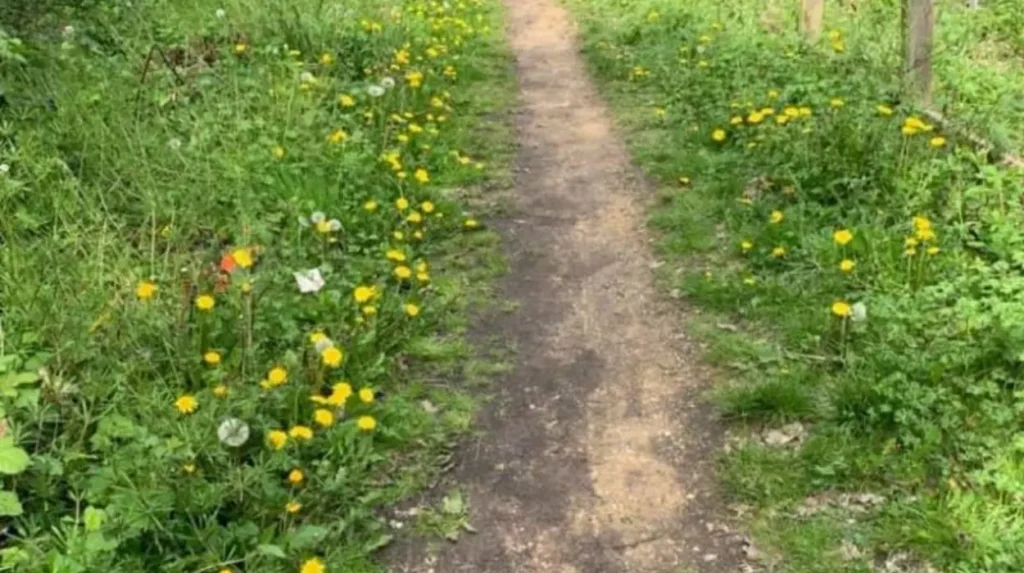
Totteridge, Monken Hadley, Hadley Green and Friary Park combine green space with historical context. These locations allow visitors to experience older settlement patterns, historic buildings, landscaped grounds and established trees while spending an afternoon outdoors.
Barnet’s quiet places often have historical significance because many green spaces developed alongside older villages, estates or country houses.
Friary Park is an example of a formal park created from historic private grounds. Barnet Council identifies it as an Edwardian park associated with Friary House.
Totteridge provides a longer historical timeline. Its settlement history reaches back to medieval records, while the landscape preserves elements of its earlier village structure.
Monken Hadley and Hadley Green similarly form part of the older northern Barnet landscape.
This historical layer changes the purpose of a quiet walk. The visitor is not simply using a park for recreation. The surrounding landscape provides evidence of how rural settlements developed before being incorporated into Greater London.
For heritage-focused visitors, the combination of green space and historic buildings also reduces the need to move between multiple busy attractions.
Where can visitors take a quiet walking route in Barnet?
Barnet’s active-trail programme provides free mapped routes of 1 km, 2.5 km and 5 km in selected parks and open spaces. These routes support walking, running and cycling and include distance and difficulty information.
Barnet Council has developed active trails to make outdoor recreation easier to plan. Routes are available in locations including Barnet Playing Fields, Bethune Park, Clitterhouse Playing Fields, Copthall Playing Fields, Edgwarebury Park, Montrose Playing Fields, Scratchwood Open Space, Sunny Hill Park and West Hendon Playing Fields.
Each mapped route includes a distance and difficulty rating from 1 to 4. A rating of 1 represents an easy and flat route, while 4 represents a more difficult and hilly route.
This structure is useful for visitors with limited time.
A 1 km route fits a short break between other activities. A 2.5 km route creates a more substantial afternoon walk. A 5 km route provides a longer outdoor session.
Visitors seeking a quiet experience should also consider timing. Weekday afternoons generally provide a different atmosphere from weekends, public holidays and event days.
Can visitors find peaceful green spaces close to public transport?
Yes. Barnet has numerous parks and open spaces distributed across neighbourhoods, making several quiet destinations accessible without a car. Friary Park, High Barnet green spaces and other locations connect with local bus and Underground networks.
Friary Park has published bus connections including routes 234, 383 and 634.
High Barnet and Totteridge also benefit from established public transport connections, although individual routes vary by destination. Visitors should check current Transport for London services before travelling because timetables change.
The wider distribution of Barnet’s green spaces reduces the need to concentrate every quiet afternoon around one attraction.
Barnet Council currently lists 160 park results in its parks directory when using its directory interface, demonstrating the breadth of the local open-space network.
The larger strategic picture is also significant. Barnet’s 2026–2036 parks and open spaces strategy identifies more than 250 parks and open spaces covering over 1,200 hectares, alongside 2,466 hectares of Green Belt land and 690 hectares of Metropolitan Land.
This extensive network makes local green space a structural part of Barnet rather than a small collection of isolated attractions.
What should visitors consider when planning a quiet afternoon in Barnet?
Visitors should select a location according to walking distance, facilities, terrain, weather and desired level of activity. Historic greens suit gentle exploration, formal parks suit relaxed recreation, while woodland and open spaces suit longer walks and nature observation.
A successful quiet afternoon starts with the type of environment rather than a list of attractions.
For landscaped surroundings, Friary Park offers formal gardens, open areas, a water feature and café facilities.
For historic scenery, Totteridge and Hadley provide older village landscapes and established green spaces.
For woodland, Coppetts Wood and Scratchwood Open Space provide more natural settings.
For mapped walking routes, Edgwarebury Park and other active-trail locations provide clearly defined distances and difficulty levels.
Weather is an important practical factor. Grass and woodland paths become muddy after rainfall. Comfortable walking footwear is appropriate for routes that include uneven ground.
Visitors should also check individual park information for facilities, opening arrangements and current restrictions before travelling.
Quiet places are not necessarily completely silent. Parks remain public spaces used by walkers, families, dog owners, sports participants and local residents. The objective is a slower and less concentrated environment rather than guaranteed silence.
Why are Barnet’s quiet places important for the future of north London?
Barnet’s parks and open spaces form a major part of the borough’s environmental, recreational and community infrastructure. The council’s 2026–2036 strategy focuses on maintaining and improving these spaces as long-term assets for residents and visitors.
The future relevance of Barnet’s quiet places extends beyond leisure tourism.
The borough’s parks provide opportunities for walking, recreation, community activities and contact with nature. Barnet Council describes parks and open spaces as important to the borough’s green character and family-friendly environment.
The council’s parks strategy covers the period from 2026 to 2036. It addresses how green spaces are managed, improved and integrated into neighbourhood needs.
This long-term planning is significant for visitors because it supports continued access to outdoor spaces across the borough.
Barnet’s quiet afternoon destinations therefore represent more than alternatives to crowded tourist attractions. They form part of a large green infrastructure network that connects historic settlements, residential districts, woodland, formal gardens and open countryside.
For tourists, these locations offer a different way to experience north London. For residents, they provide nearby recreational space. For digital nomads and business travellers, they offer opportunities to break up an indoor working day with outdoor walking and quieter surroundings.
The strongest choices include Friary Park for formal gardens and facilities, Totteridge for historic village character, Hadley Green and Monken Hadley Common for heritage and green space, and Edgwarebury Park or Scratchwood Open Space for longer outdoor walks. Together, these locations demonstrate why Barnet is particularly well suited to visitors seeking a peaceful afternoon away from London’s busiest tourist areas.
What are the best places for a quiet afternoon in Barnet?
The best places include Friary Park, Totteridge Common, Hadley Green, Monken Hadley Common, Edgwarebury Park and Scratchwood Open Space. These locations offer gardens, woodland, historic surroundings and open green spaces.