Barnet offers numerous quieter places for visitors who want green space, historic streets and slower-paced walks away from busy town centres. Monken Hadley Common, Mill Hill, Totteridge, Arrandene Open Space and the Dollis Valley Greenwalk provide different settings for peaceful afternoons.
- Which places in Barnet are best for escaping the crowds?
- Why does Barnet have so many quieter green spaces?
- Is Monken Hadley Common a good place for a quiet walk?
- Can you find quiet countryside around Mill Hill?
- What makes Totteridge a quieter part of Barnet?
- Is Arrandene Open Space suitable for a peaceful afternoon?
- Which Barnet walking route is best for a longer escape from busy areas?
- Where can you find quieter woodland in Barnet?
- Are Barnet’s smaller parks useful for avoiding crowds?
- Can you escape crowds without leaving Barnet’s historic neighbourhoods?
- Which Barnet places work best for a quiet afternoon itinerary?
- When is the best time to explore quieter places in Barnet?
- How should visitors plan a low-crowd day in Barnet?
- Why are Barnet’s quieter places important for the future?
- Which Barnet destinations should you consider when avoiding busy areas?
Which places in Barnet are best for escaping the crowds?
The best quieter places in Barnet include Monken Hadley Common, Mill Hill Village, Totteridge, Arrandene Open Space, Barnet Gate Wood and sections of the Dollis Valley Greenwalk. These locations combine open countryside, woodland, historic streets and green corridors within North London.
Barnet is one of London’s largest boroughs by area and has an extensive network of parks, open spaces, green corridors and countryside landscapes. Barnet Council describes the borough’s green infrastructure as including formal parks and gardens, wild landscapes, Green Belt areas and leafy river valleys.
This makes Barnet suitable for visitors who want an alternative to busy central London attractions. The quieter experience does not depend on a single destination. It comes from choosing locations with woodland, commons, village streets, open fields and long walking routes.
Monken Hadley Common provides wooded scenery and historic surroundings. Mill Hill combines a village setting with countryside views. Totteridge has historic lanes and access to Dollis Valley. Arrandene Open Space provides wildlife interest in Mill Hill. The Dollis Valley Greenwalk connects several green spaces over a 10-mile route.
For visitors, these locations provide different forms of quiet. A person seeking a woodland walk can choose Monken Hadley. Someone interested in historic architecture can explore Mill Hill Village or Totteridge. A visitor wanting a longer outdoor route can follow the Dollis Valley Greenwalk.
Why does Barnet have so many quieter green spaces?
Barnet retains many quieter landscapes because large areas of countryside, commons, valleys and protected open space survived suburban expansion. Green Belt land, conservation areas and historic landscapes continue to shape the borough’s distinctive mixture of urban neighbourhoods and rural-looking environments.
Barnet’s geography explains much of its quieter character. The borough contains established suburban districts alongside open countryside and protected landscapes.
The council’s parks directory currently lists 160 parks and open spaces, including locations such as Arrandene Open Space, Barnet Gate Wood, Barnet Hill Open Space and Barnet Memorial Woodland.
Green infrastructure also follows natural valleys. The Dollis Valley Greenwalk demonstrates how waterways and open land connect different parts of Barnet. The route begins at Moat Mount in Mill Hill and continues through Barnet towards Hampstead Heath.
Conservation areas provide another layer of protection. Barnet has conservation areas including Mill Hill, Monken Hadley, Totteridge, Wood Street, Hendon Church End and Hampstead Garden Suburb. Conservation areas are designated because of special architectural or historic interest.
These designations help preserve distinctive streetscapes and historic environments. They also explain why some areas feel significantly less urban despite their location within Greater London.
The Green Belt is particularly important around northern Barnet. Open land separates settlements and creates countryside views, walking routes and wildlife habitats.
This combination gives visitors several options for escaping busy commercial areas without travelling far outside London.
Is Monken Hadley Common a good place for a quiet walk?
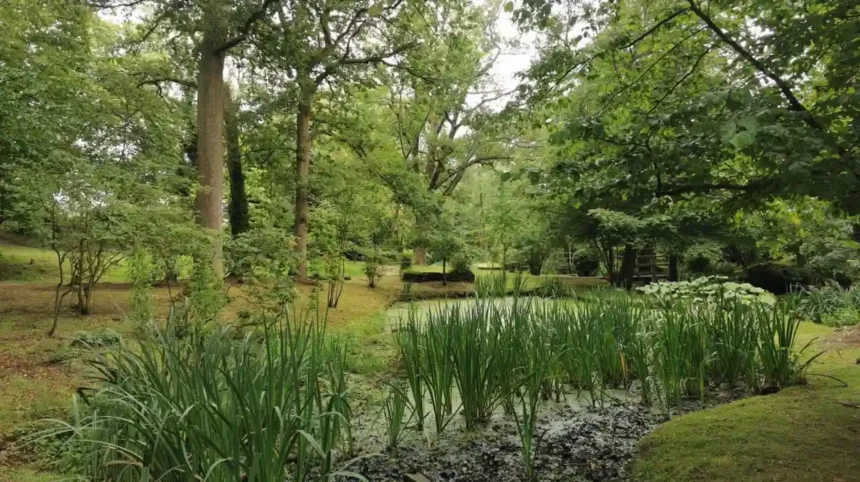
Monken Hadley Common is one of Barnet’s most distinctive quiet landscapes, combining woodland, open common land, mature trees and historic surroundings. It sits beside the Monken Hadley Conservation Area and provides a rural setting close to High Barnet.
Monken Hadley Common is located on Camlet Way in Hadley, near EN5. Barnet Council identifies it as an official park and open-space destination.
The landscape includes woodland and open common. The wider Monken Hadley area has winding lanes, mature trees, historic buildings and remnants of its earlier rural character.
Hadley Common has an important historical connection with Enfield Chase. Enfield Chase was once a large hunting area associated with Tudor monarchs. Local residents also held traditional rights to graze livestock and collect firewood. After the division of Enfield Chase, the approximately 240 acres in the parish of Monken Hadley became Hadley Common.
The common remained largely wooded, helping preserve its rural character.
Hadley Woods forms an important part of this landscape. Barnet’s conservation assessment identifies the woods as an established and diverse wildlife habitat. The common also supports informal recreation, including walking and jogging.
The surrounding conservation area adds architectural interest. St Mary the Virgin Church provides a historic focal point, while Hadley Green and nearby lanes retain elements of the area’s older settlement pattern.
As you explore the modern landscape, you are crossing land shaped by centuries of rural use. Read about the full [History of Barnet Article Here] to understand its origins.
For a quieter visit, the common works particularly well as part of a walking itinerary rather than as a single attraction. Combining the common with Hadley Green and nearby historic streets creates a broader experience.
Can you find quiet countryside around Mill Hill?
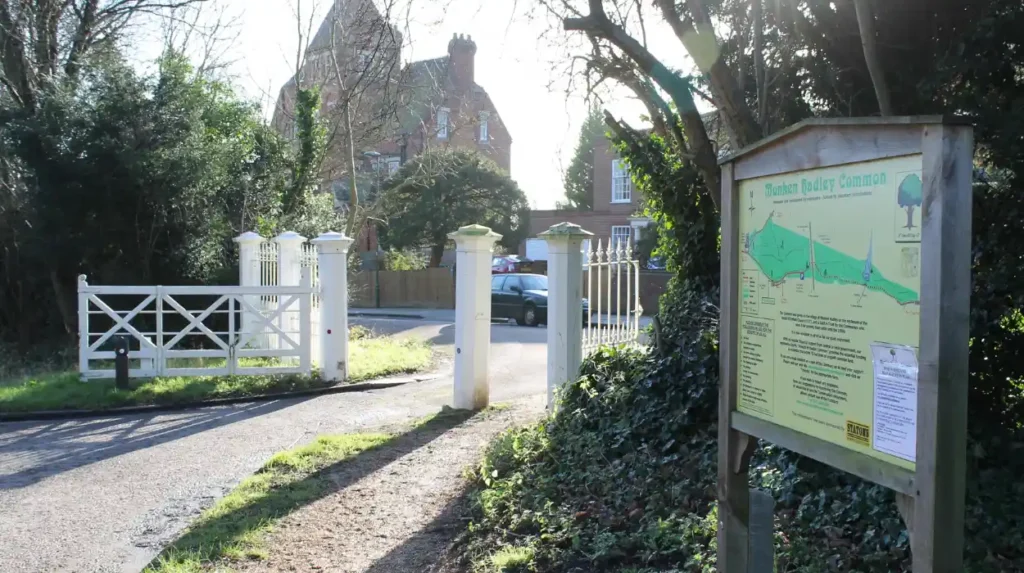
Mill Hill provides several opportunities for quieter outdoor exploration, particularly around Mill Hill Village, The Ridgeway, Arrandene Open Space and surrounding countryside. Its elevated position, green spaces, bridleways and village-style streets create a semi-rural environment within North London.
Mill Hill is one of Barnet’s strongest choices for visitors seeking countryside without leaving London.
The Mill Hill Conservation Area covers approximately 152 hectares. It extends along the high ground of The Ridgeway and looks towards Green Belt countryside. Barnet Council describes the area as generally quiet and representative of a village setting within a countryside environment.
The Ridgeway is particularly significant. It provides a linear route through Mill Hill Village and connects historic buildings, cottages and open views.
Mill Hill’s countryside character has deep historical roots. Small settlements and farms in the area date back at least to the 10th century. The area appears in the Domesday Book as part of the description of Hendon.
The modern name Mill Hill has documented usage from 1544. An earlier mill existed in the area by the 14th century.
Mill Hill Village retains older buildings associated with the historic road network. The Ridgeway became an important route towards the north and supported inns and public houses serving travellers.
For visitors seeking open space, Arrandene Open Space is another useful location. Barnet Council lists it on Wise Lane in Mill Hill and identifies wildlife interest as one of its characteristics.
The combination of village streets and open landscapes makes Mill Hill particularly suitable for a slower afternoon.
What makes Totteridge a quieter part of Barnet?
Totteridge combines historic buildings, mature trees, open valleys and village-style streets. Its position around Totteridge Common and the Dollis Valley creates a quieter landscape where visitors can walk through a historic North London setting without entering a major commercial centre.
Totteridge sits in the southern part of Barnet and has a long rural history.
The name is Saxon in origin and is associated with the meaning “Tata’s ridge”. The earliest surviving records date to the 13th century. St Andrew’s churchyard contains an ancient yew tree believed to be at least 1,000 years old.
The area’s development remained relatively limited for centuries. Larger houses and estates appeared between the 16th and 19th centuries as the area became accessible to merchants and other London residents.
Transport eventually increased suburban development. A railway station opened in 1872, while trams and private cars expanded accessibility during the 20th century.
The landscape nevertheless retained substantial open space. Post-war Green Belt protection helped prevent further development across parts of Dollis Valley and Totteridge Valley. These areas now provide established walking landscapes.
Totteridge is therefore useful for visitors interested in combining quiet walking with architectural and historical observation.
The area is also officially recognised through the Totteridge Conservation Area. Barnet Council identifies conservation areas as places with special architectural or historic interest.
A visit can focus on the village environment rather than a single attraction. Walking around Totteridge Common and the surrounding streets provides a slower alternative to the commercial centres elsewhere in Barnet.
Is Arrandene Open Space suitable for a peaceful afternoon?
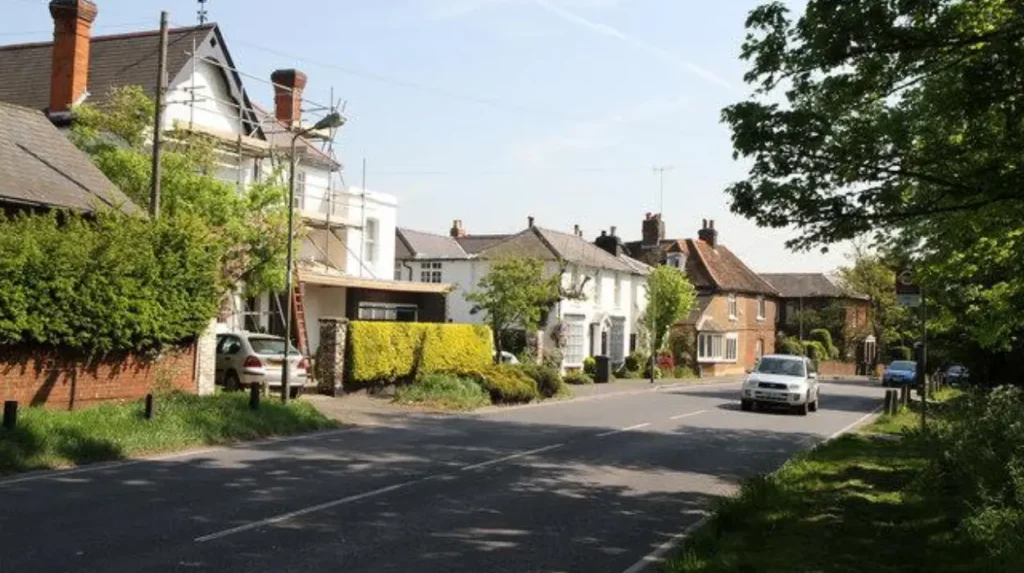
Arrandene Open Space in Mill Hill is suitable for visitors seeking an uncomplicated outdoor break. The site is recognised by Barnet Council as a green space with wildlife interest, making it useful for walking, nature observation and quiet time outdoors.
Arrandene Open Space is located on Wise Lane in Mill Hill, NW7. Barnet Council lists wildlife interest among its facilities and characteristics.
The site forms part of the wider network of open spaces around Mill Hill. It sits within an area where urban neighbourhoods transition into fields, woodland and countryside.
Arrandene has historical significance within Mill Hill’s development. In 1929, Hendon Council purchased more than 50 acres of the Arrandene estate. The acquisition helped provide recreation space while retaining the distinctive character of Mill Hill Village.
This history explains why the site is important beyond recreation. Its open character forms part of a wider planning history in which local authorities retained green land as suburban development expanded.
For visitors, the attraction is straightforward. There is open space, wildlife interest and a countryside setting without the scale of a major visitor attraction.
That makes Arrandene particularly relevant to the search intent behind escaping crowds. It is better suited to walking and observing the landscape than to intensive sightseeing.
Visitors should follow local signs, respect wildlife and avoid damaging vegetation. Conditions can also change after wet weather, particularly on grassed areas and informal paths.
Which Barnet walking route is best for a longer escape from busy areas?
The Dollis Valley Greenwalk is Barnet’s major long-distance green route, covering 10 miles from Moat Mount through the Dollis Valley towards Hampstead Heath. It links several green spaces and provides a continuous outdoor experience across North London.
The Dollis Valley Greenwalk is one of the clearest choices for visitors who want distance from busy urban environments.
The official route covers 10 miles and starts at Moat Mount in Mill Hill before continuing through Barnet towards Hampstead Heath. Barnet Council states that the complete walk can take up to six hours.
The route is mostly flat and uses hard surfaces across much of its length. This makes it suitable for walkers, runners and wheelchair users, although weather conditions can create muddy or icy sections.
The route follows the Dollis Valley and connects multiple green spaces. This creates flexibility for visitors. A person does not need to complete all 10 miles to benefit from the route.
Shorter sections can be incorporated into an afternoon itinerary. Visitors can choose a starting point near their accommodation or transport connection and walk for a selected distance before returning.
The route also has biodiversity objectives. Barnet Council identifies wildflower meadows, grassland management and river care as part of its approach to improving biodiversity along the greenwalk.
This makes the Dollis Valley Greenwalk relevant to visitors interested in landscape, wildlife and sustainable outdoor recreation.
Where can you find quieter woodland in Barnet?
Barnet Gate Wood, Monken Hadley Common and nearby wooded landscapes provide some of the borough’s quieter outdoor environments. These locations offer tree cover, natural habitats and informal walking settings away from major commercial streets and heavily developed town-centre areas.
Woodland provides a different type of quiet from open parks. Trees reduce visual exposure to surrounding development and create more enclosed walking environments.
Barnet Council’s parks directory lists Barnet Gate Wood on Hendon Wood Lane in the Barnet Gate area. The same directory lists Monken Hadley Common and several other green spaces across northern Barnet.
Monken Hadley Common is especially notable because its woodland is integrated with historic common land. The conservation appraisal describes Hadley Woods as an established wildlife habitat and identifies mature vegetation as an important component of the area’s character.
Woodland walks work well for visitors who prefer movement rather than sitting in a busy café or public square.
They also provide opportunities for nature observation. Birds, mature trees and seasonal vegetation form part of the experience.
Visitors should stay on established paths where available. Some woodland routes become uneven or muddy after rainfall. Appropriate footwear is therefore important.
Are Barnet’s smaller parks useful for avoiding crowds?
Smaller Barnet parks and open spaces provide practical alternatives to larger destinations. Sites such as Riverside Walk, Barnet Hill Open Space, Hadley Ridge, Ravenscroft Gardens and other neighbourhood spaces offer shorter walks and outdoor breaks closer to residential areas.
Barnet’s extensive parks directory makes it possible to identify smaller green spaces across different neighbourhoods. The current council directory includes locations such as Riverside Walk in West Finchley, Hadley Ridge, Ravenscroft Gardens and Barnet Hill Open Space.
These places serve a different purpose from major visitor attractions.
A smaller open space can fit into a two-hour itinerary. It can also work for business travellers or digital nomads who have limited free time.
Riverside Walk in West Finchley is one example. It follows a local green corridor around Fursby Avenue, Sussex Ring and Southover.
Barnet Hill Open Space provides another option around High Barnet. Hadley Ridge is also listed among the borough’s green spaces.
The value of these places comes from accessibility. Visitors do not need to travel across the borough for a short outdoor break.
They also distribute visitor activity across Barnet rather than concentrating every visit around the same central locations.
Can you escape crowds without leaving Barnet’s historic neighbourhoods?
Yes. Historic neighbourhoods such as Monken Hadley, Mill Hill Village and Totteridge combine quieter streets with heritage features. These areas provide opportunities to explore architecture, churches, historic roads and green surroundings without relying on major visitor attractions.
Barnet’s historic environments are closely connected with its green landscapes.
Monken Hadley developed around ancient roads and rural land. The Great North Road passed through Chipping Barnet, Hadley Green and Hadley Highstone before continuing north.
Mill Hill Village developed along The Ridgeway. Older cottages and houses remain alongside later institutional and residential buildings.
Totteridge retained a small-scale settlement pattern for centuries. Its historic development included estates, agricultural land and village buildings.
These places demonstrate that escaping crowds does not require choosing a remote location. Visitors can combine heritage exploration with open-space walking.
The approach also supports a slower form of sightseeing. Instead of moving between major attractions, visitors can focus on streetscapes, historic buildings, landscape views and local green corridors.
Which Barnet places work best for a quiet afternoon itinerary?
For a quiet afternoon, visitors can combine one green space with one historic neighbourhood. Monken Hadley suits woodland and heritage, Mill Hill combines village scenery with open countryside, while Totteridge connects historic streets with the Dollis Valley landscape.
A quiet Barnet itinerary works best when destinations are grouped geographically.
Mill Hill is suited to visitors who want to combine Mill Hill Village, The Ridgeway and Arrandene Open Space. The conservation area provides historic architecture and countryside views, while Arrandene provides open green space.
Monken Hadley provides another combination. Visitors can explore the conservation area before continuing towards Hadley Common and Hadley Woods. The area contains historic buildings, mature vegetation and common land.
Totteridge works well for visitors interested in historic landscapes and longer walking routes. The Dollis Valley and Totteridge Valley provide access to established green corridors.
For a longer outdoor experience, the Dollis Valley Greenwalk provides a structured route through several green spaces. The complete route is 10 miles, but visitors can select shorter sections.
The key principle is simple: choose green corridors, commons, woodland and village environments instead of concentrating the entire visit around commercial centres.
When is the best time to explore quieter places in Barnet?
Early mornings and weekdays generally provide the simplest conditions for a quieter visit, while weekends and organised events can increase activity. Green spaces remain accessible throughout the year, but weather, daylight, ground conditions and seasonal maintenance affect the experience.
Timing matters because quietness changes throughout the day.
Early morning provides lower pedestrian activity in most residential and recreational environments. Weekdays also reduce pressure associated with weekend leisure visits.
Seasonality affects outdoor conditions. Spring brings longer daylight and developing vegetation. Summer provides extended evening light. Autumn adds changing foliage but wetter ground. Winter provides shorter daylight hours and potentially muddy or icy paths.
Barnet Council notes that weather conditions can make sections of the Dollis Valley Greenwalk muddy or icy.
Visitors should therefore check conditions before starting longer walks.
Park facilities also vary by site. Some locations contain cafés, sports facilities, playgrounds or organised activities, while smaller open spaces have fewer amenities. Friary Park, for example, includes gardens, a café, sports facilities, play areas, tennis courts and wildlife interest.
A quieter visit does not mean avoiding every facility. It means choosing a location and time that match the desired pace.
How should visitors plan a low-crowd day in Barnet?
A low-crowd day in Barnet works best with a simple route, suitable footwear, weather awareness and flexible timing. Visitors should select established paths, check local access information and combine nearby green spaces with historic neighbourhoods rather than crossing the borough repeatedly.
Planning begins with location selection.
Visitors staying in northern Barnet can focus on Monken Hadley, Hadley Common and Barnet’s northern open spaces. Mill Hill provides another cluster around The Ridgeway and Arrandene. Visitors in western or southern parts of the borough can use sections of the Dollis Valley Greenwalk and nearby local parks.
Walking distance should also match the available time.
A two-hour break is better suited to one neighbourhood and one green space. A full afternoon allows a longer route. A six-hour walking day is appropriate for visitors considering the complete Dollis Valley Greenwalk. Barnet Council estimates that the full 10-mile route can take up to six hours.
Comfort also matters. Some Barnet trails cross grassed areas and footpaths that become muddy or uneven. The council notes that several active trails are unsuitable for wheelchairs and pushchairs because of such conditions, while specific routes including Friary Park are entirely on footpaths.
Visitors should therefore distinguish between formal paths and informal countryside routes.
The result is a flexible approach to exploring Barnet. Quiet places exist across the borough rather than in one isolated destination.
Explore More Area Guide
Best Quiet Places for an Afternoon in Barnet
Best Sunset Spots in Barnet | North London Guide
Why are Barnet’s quieter places important for the future?
Barnet’s quieter green spaces support recreation, biodiversity, heritage conservation and access to nature within a densely populated metropolitan area. Their continued management helps maintain connections between communities, historic landscapes, wildlife habitats and the wider green infrastructure of North London.
Green spaces have significance beyond tourism.
Barnet Council identifies parks and open spaces as important elements of the borough’s green and family-friendly environment. Its network includes formal gardens, wild landscapes, Green Belt and river valleys.
The Dollis Valley Greenwalk demonstrates the wider role of connected green infrastructure. Its management programme includes improving biodiversity, habitats, wildflower meadows, grassland and rivers.
Conservation areas protect another dimension of Barnet’s identity. The borough uses conservation-area designations to protect places with special architectural and historic interest.
This combination gives Barnet a distinctive visitor proposition. A person can travel within Greater London while experiencing woodland, common land, historic villages, open valleys and countryside views.
For tourism, this supports a more distributed pattern of exploration. Visitors can spend time in neighbourhoods rather than concentrating their itinerary around major attractions.
For residents and workers, the same spaces provide accessible opportunities for walking, outdoor recreation and short breaks.
Barnet’s quieter locations therefore form part of the borough’s long-term environmental, recreational and heritage infrastructure.
Which Barnet destinations should you consider when avoiding busy areas?
Visitors seeking quieter experiences should consider Monken Hadley Common, Mill Hill Village, Arrandene Open Space, Totteridge, Barnet Gate Wood and the Dollis Valley Greenwalk. Each offers a different combination of woodland, countryside, heritage, wildlife or longer-distance walking.
Barnet provides no single definition of a quiet destination. The borough’s green network creates several different options.
Monken Hadley Common suits woodland, common land and historic surroundings.
Mill Hill Village suits visitors interested in village character, historic buildings and countryside views.
Arrandene Open Space provides wildlife interest and open green space.
Totteridge combines historic settlement, mature landscapes and access to the Dollis Valley.
Barnet Gate Wood provides a woodland option within the borough’s wider network of parks and open spaces.
The Dollis Valley Greenwalk provides the longest structured outdoor experience, extending for 10 miles between Moat Mount and Hampstead Heath.
Together, these locations show why Barnet works for visitors who want to escape crowds without leaving North London. Its historic villages, commons, woods, valleys and open spaces provide alternatives to heavily visited central destinations while remaining part of Greater London.
Where can I escape the crowds in Barnet?
Monken Hadley Common, Mill Hill Village, Arrandene Open Space, Totteridge, Barnet Gate Wood and the Dollis Valley Greenwalk are among Barnet’s quieter locations.