
Key Points
- Squatters have reportedly occupied the communal areas of two residential tower blocks in South Kilburn, North London.
- Remaining residents say they are living in fear and must navigate pitch-black corridors with broken lighting to reach their homes.
- The affected buildings are William Dunbar House and William Saville House, both of which are 13-storey tower blocks.
- Both blocks are scheduled for demolition under the South Kilburn Regeneration Programme.
- While dozens of original tenants have gradually been relocated, squatters have moved into the vacated spaces and communal areas.
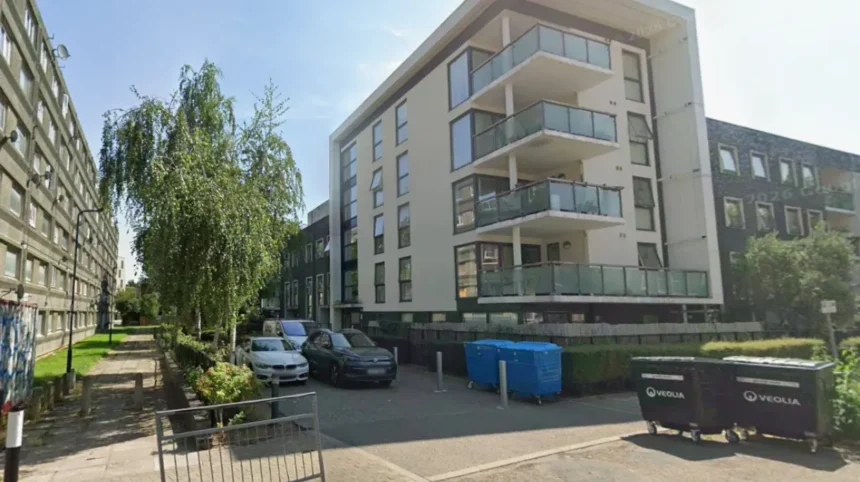
South Kilburn (North London News) November 26, 2026 – Remaining residents of two 13-storey tower blocks in South Kilburn, North London, say they are living in fear after squatters moved into the buildings and took over communal areas. The situation at William Dunbar House and William Saville House has been compounded by broken corridor lighting, forcing tenants to walk through unlit hallways occupied by squatters to reach their front doors.
What Is Happening Inside the South Kilburn Tower Blocks?
According to accounts from people still living in the estate, an invasion of squatters has left local residents desperate for immediate assistance. The squatters have reportedly occupied communal areas across the two flat buildings, creating chaotic living conditions for the remaining occupants.
To add to the disruption, numerous corridors inside the blocks have broken lights. As a result, residents returning to their flats report having to navigate pitch-black corridors where squatters are present just to get back inside their homes.
Which Buildings Have Been Affected by the Squatters?
The reported occupation involves two specific residential buildings in South Kilburn:
- William Dunbar House: A 13-storey tower block currently undergoing decanting.
- William Saville House: A neighbouring 13-storey tower block facing the same conditions.
Dozens of residents have gradually been moved out of both William Dunbar House and William Saville House. As legitimate tenants have vacated the properties, squatters have moved into the buildings, leaving the remaining residents isolated amid worsening security and maintenance conditions.
Background of the South Kilburn Regeneration Programme
William Dunbar House and William Saville House are both earmarked for demolition as part of the wider South Kilburn Regeneration Programme. Regeneration schemes of this scale typically involve phased relocations, known as decanting, where council or housing association tenants are gradually moved to alternative accommodation before the existing structures are cleared and redeveloped. During the transition phase between residents moving out and demolition work commencing, partially vacated blocks can become vulnerable to unauthorised entry and occupation if security and building maintenance are not continuously maintained.
How Could This Development Affect Remaining Residents and Local Authorities?
For the remaining residents of William Dunbar House and William Saville House, prolonged occupation of communal areas alongside unlit corridors presents ongoing personal safety concerns, heightened anxiety, and reduced quality of life while they await their own relocation. If broken lighting and building access remain unaddressed, tenants face continued risks when entering or leaving their homes, particularly during evening hours.
For local housing authorities and regeneration managers overseeing the South Kilburn site, the situation places immediate pressure on site security, maintenance response times, and the timeline for relocating the final remaining tenants. Addressing the presence of squatters and restoring basic safety infrastructure such as corridor lighting will likely require coordinated intervention from housing management, local council teams, and law enforcement before demolition preparations can safely proceed.