Key Points
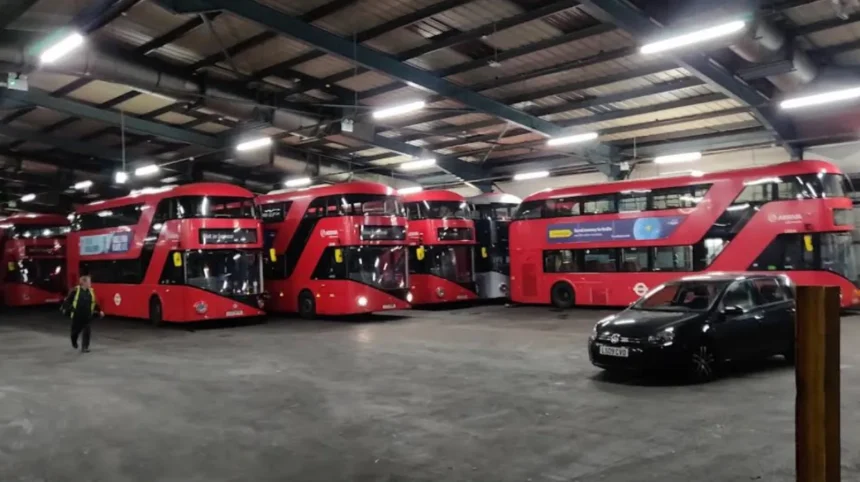
- Widespread Disruption: Over 1,500 bus drivers employed by Arriva London North have initiated strike action, impacting 43 routes primarily across north, east, and central London.
- Core Grievance: The walkout is a direct protest against working conditions, specifically citing the lack of adequate climate control and support for drivers during recent spells of extreme hot weather.
- Operational Impact: Transport for London (TfL) has issued urgent travel warnings, confirming that affected routes are experiencing little to no service, leading to significant delays for thousands of commuters.
- Union Involvement: The industrial action is coordinated by the workers’ union, which claims that current vehicle specifications fail to protect staff health and safety during high-temperature events.
- Management Response: Arriva London North has acknowledged the disruption and stated they are actively seeking a resolution to restore services, though negotiations remain ongoing.
London, UK (North London News) August 18, 2026 – Thousands of commuters across the capital are facing significant travel delays today as a major bus strike, involving more than 1,500 drivers, has crippled 43 key services across the Transport for London network. The industrial action, centred on the Arriva London North division, has resulted in widespread cancellations and severe service reductions throughout the northern, eastern, and central districts of the city. Transport authorities have urged passengers to check real-time updates before travelling, as the dispute over working conditions during recent heatwaves shows no sign of an immediate resolution.
Which bus routes are affected by the strike action?
The strike action has targeted 43 specific bus routes operated by Arriva London North. These routes serve as critical arteries for residents in boroughs such as Haringey, Enfield, Waltham Forest, and parts of central London. TfL has confirmed that while some services may run with reduced frequency, the majority of the 43 identified routes are currently experiencing “little or no service.”
Commuters relying on these buses are being directed to alternative transport modes, including London Overground, Underground services, and unaffected bus routes. However, transport analysts note that the sheer volume of affected routes is likely to place significant pressure on alternative stations and interchanges during the morning and evening peak hours.
Why are drivers striking over hot weather conditions?
The primary driver behind the walkout is a formal dispute regarding health and safety standards within the cabs of London’s bus fleet. Drivers represented by the union have raised concerns that many vehicles are not equipped with adequate air conditioning or ventilation systems capable of maintaining a safe working environment when ambient temperatures soar.
According to union representatives, cabin temperatures can often exceed outdoor air temperatures due to engine heat and lack of airflow, leading to concerns regarding heat exhaustion and driver fatigue. The union argues that these conditions pose a direct risk to both the drivers and the travelling public. They are calling for an immediate review of vehicle specifications and a long-term commitment to upgrading fleet cooling systems to ensure that staff can perform their duties safely, regardless of the weather.
How is Arriva London North responding to the walkout?
In official statements, management at Arriva London North has expressed regret regarding the inconvenience caused to the travelling public. A spokesperson for the company confirmed that they are in active discussions with union leadership to address the grievances related to working conditions.
The company maintains that they take the welfare of their employees seriously and are evaluating various measures to improve cabin comfort. However, they noted that retrofitting an entire fleet is a complex logistical and financial undertaking that cannot be solved overnight. Arriva has urged the union to return to the negotiating table to prevent further escalation of the strike, emphasising their commitment to resuming normal service operations as quickly as possible.
What is the background to this industrial dispute?
The tension between transport operators and workforce unions regarding workplace climate control is not a new phenomenon in London. As urban heat island effects become more pronounced during increasingly frequent summer heatwaves, the physical toll on bus drivers has moved to the forefront of collective bargaining negotiations.
Historically, London’s bus network has operated on a complex tender system where various private operators—such as Arriva, Go-Ahead, and Stagecoach—manage routes on behalf of TfL. While TfL sets the standards for service delivery, the specific mechanical maintenance and vehicle procurement decisions often rest with the private operators. This structural fragmentation has historically complicated efforts to standardise cabin environments across the entire fleet.
Over the past decade, there have been several smaller, localised protests regarding driver facilities, including access to toilets and break areas. This current dispute, however, represents a significant escalation, marking one of the largest coordinated actions specifically focused on environmental working conditions. The outcome of this strike is expected to set a precedent for how transport operators across the UK handle climate-related health and safety requirements in the future.
Explore More UK News
UK Clears Paramount Acquisition of Warner Bros Discovery London 2026
Rail Chaos Across North-West England After Signalling Power Failure, 2026
How will this development affect London commuters?
The immediate impact for the average London commuter is a significant reduction in reliability and increased travel time. Those who rely on the 43 affected routes will face crowded platforms, longer walking distances to alternative transport links, and potential overcrowding on the London Underground lines that serve the affected northern and eastern corridors.
For the wider economy, the strike serves as a reminder of the fragility of the city’s integrated transport network. If the dispute persists, it may result in:
- Increased Pressure on Shared Mobility: Expect higher demand for private-hire vehicles and ride-sharing apps, likely leading to surge pricing and limited availability during peak times.
- Economic Productivity Loss: The cumulative effect of thousands of commuters being delayed can lead to noticeable dips in punctuality for local businesses and public services in central London.
- Long-term Policy Shifts: Should this strike result in a successful agreement for improved cooling systems, it may force TfL to adjust its procurement contracts, potentially leading to higher operational costs for the city, which could eventually be reflected in future fare reviews.
Passengers are advised to utilise the TfL Journey Planner and monitor official social media channels, as the situation remains fluid with the potential for further industrial action if negotiations remain deadlocked.