A new driveway is one of the few home improvements people see every single day, and one of the easiest to get badly wrong. Pick the wrong paving contractor and you could be looking at sunken blocks, standing water and weeds pushing through the joints within a couple of winters. Pick the right one and the job should outlast your mortgage.
The difference rarely shows on the day the work is finished. It is all underneath.
Here is what homeowners across North London and the surrounding area should check before handing over a deposit.
Why the cheapest quote is usually the most expensive
Paving is a trade where corners can be cut almost invisibly. The surface blocks might look identical on two driveways, but one sits on a properly dug and compacted sub-base and the other sits on a thin layer of whatever was lying around.
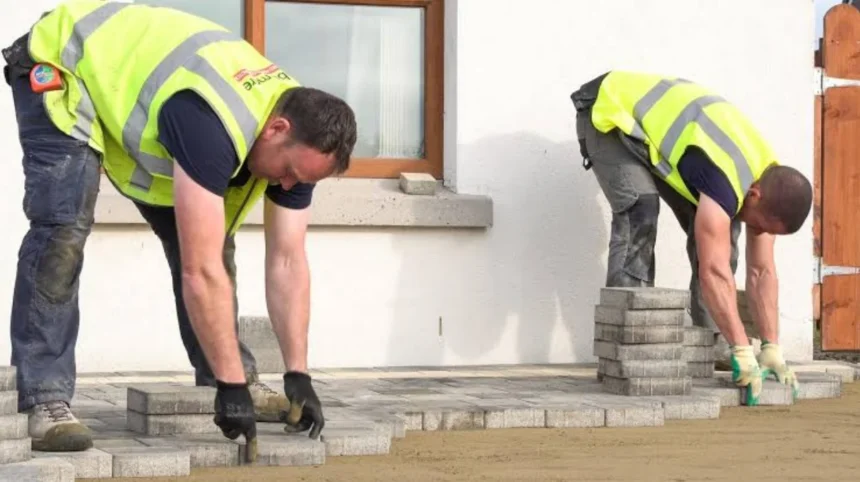
For a driveway that takes car traffic, a reputable paving contractor will typically dig out and lay a compacted sub-base of crushed aggregate (often MOT Type 1) around 150mm deep, sometimes more on soft clay soils. Patios that only take foot traffic can get away with less. Skimp here and the surface will rut and sink, and no amount of re-sanding the joints will fix it.
So when one quote comes in well below the others, ask the obvious question: what is being left out?
Check the basics before anything else
A few quick checks will filter out most cowboy operators:
- A fixed business address you can actually visit, not just a mobile number
- Public liability insurance, with a certificate they are happy to show you
- Photos of finished jobs with addresses or areas you could drive past
- Reviews on independent platforms such as Google, not only testimonials on their own website
- A written guarantee covering both materials and workmanship, with the length stated clearly
- No pressure to pay cash or to decide on the spot
If a trader knocks on your door saying they have “leftover tarmac from a job down the road”, close the door. That line has been around for decades for a reason.
Get at least three written quotes
Comparing quotes is only useful if they are quoting for the same thing. Ask each paving contractor to break down the price into excavation and waste removal, sub-base depth and material, edging, drainage, the paving product itself, and any extras such as steps or walls.
A properly itemised quote also protects you later. If the sub-base depth is written down and the finished job starts sinking, you have something to point to.
It also pays to include at least one established local firm in the mix. A contractor such as South East Block Paving, based in Waltham Abbey, will know the local ground conditions, the council’s expectations and which suppliers to trust, which tends to show up in fewer surprises once the digger arrives.
Planning rules most homeowners do not know about
In England, paving over more than five square metres of a front garden with a non-permeable surface needs planning permission, unless rainwater can drain onto a lawn or border within your property. The rule exists to stop surface water from rushing into drains and roads during heavy rain.
A good paving contractor will raise this before you do. Permeable block paving, gravel and properly designed soakaways are all ways to stay on the right side of it without changing your plans.
If the driveway needs a new or widened dropped kerb, that is a separate application to your local council, and it usually has to be done by an approved contractor. Sort it early, because approval can take weeks.
Block paving, resin or tarmac?
Each surface has a place, and an honest contractor will talk you through the trade-offs rather than pushing whatever they happen to install.
Block paving is the most flexible option. Individual blocks can be lifted and relaid if a pipe needs repairing, and there is a huge range of colours and patterns. It does need occasional weeding and re-sanding of the joints.
Resin-bound surfaces look smooth and modern and are permeable when laid correctly, but quality depends heavily on the installer and the weather on the day.
Tarmac is usually the quickest and cheapest to lay. It suits long, plain driveways, though it offers less in the way of looks.
For patios, natural stone such as Indian sandstone and porcelain slabs are the two most popular choices. Porcelain is harder wearing and less prone to staining. Sandstone has more character.
Questions worth asking on the site visit
A proper site visit should take more than ten minutes. Use it to ask:
- How deep will you dig, and what will the sub-base be?
- Where will surface water drain to?
- How will you protect existing drains, manhole covers and boundary walls?
- Who will actually be doing the work, your own team or subcontractors?
- How long will the job take, and what happens if it rains?
- What does your guarantee cover, and is it in writing?
- How much deposit do you need, and when are the stage payments?
Vague answers to any of these are a warning sign. A confident tradesperson will be happy to explain their method, because it is what sets their work apart.
The bottom line
A driveway or patio is a job you want done once. Take the time to check insurance, reviews and guarantees, insist on an itemised written quote, and ask exactly what is going underneath the surface. The right paving contractor will welcome the questions. The wrong one will try to rush you past them.
FAQ
How do I find a reliable paving contractor?
Look for a local firm with a fixed address, public liability insurance, a written guarantee and independent reviews. Ask to see finished jobs nearby, and get at least three itemised written quotes before choosing.
How deep should a driveway sub-base be?
For driveways taking car traffic, a compacted crushed-aggregate sub-base of around 150mm is typical, deeper on soft or clay ground. Patios for foot traffic usually need less. Ask your contractor to state the depth in writing.
Do I need planning permission to pave my front garden?
In England, covering more than five square metres of a front garden with a non-permeable surface needs planning permission unless water drains to a lawn or border on your property. Permeable paving avoids this.
Is block paving better than tarmac for a driveway?
Block paving offers more design choice and can be lifted and relaid for repairs. Tarmac is quicker and usually cheaper to lay. The right choice depends on budget, looks and how the driveway drains.
How long does a new block paved driveway take?
Most standard driveways take several days to a week or so, depending on size, excavation, drainage work and weather. A good contractor will give you a timeline and explain what happens if rain stops work.