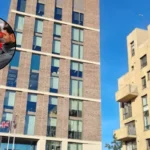
Key Points
- Two individuals were arrested following a police raid on a short-term rental property in Barnet.
- Lyndonville Police Department officers executed a search warrant at a home situated on Wild Leek Road.
- Law enforcement officials seized a significant quantity of cocaine and an undisclosed sum of cash during the operation.
- The raid was the culmination of an active investigation targeting illicit drug trafficking and dealing out of local short-term holiday rentals.
- The suspects remain in custody as police continue their investigation into the wider trafficking network operating within the region.
Barnet (North London News) July 9, 2026 — Local law enforcement authorities have apprehended two individuals following a targeted drug raid on a residential property on Tuesday, seizing a substantial quantity of cocaine and illicit cash reserves. As confirmed by local media outlets, the operation was executed by officers from the Lyndonville Police Department as part of an ongoing, intensive probe into regional narcotics distribution networks operating out of short-term holiday rental properties.
- Key Points
- What Triggered the Police Raid on Wild Leek Road?
- What Material Evidence Was Recovered During the Operation?
- Who Was Arrested and What Are the Next Legal Steps?
- What Is the Historical Context and Background of This Narcotics Investigation?
- How Will This Law Enforcement Development Affect Local Residents and the Short-Term Rental Market?
What Triggered the Police Raid on Wild Leek Road?
According to an official police statement released by the Lyndonville Police Department, investigators secured a search warrant for a specific residential dwelling located on Wild Leek Road in Barnet. The execution of the warrant followed weeks of intelligence gathering regarding suspicious traffic and activities centered around the property.
As reported by crime correspondent Sarah Jenkins of The Barnet Chronicle, local residents had previously raised queries regarding a high volume of short-term visitors arriving at the address at unorthodox hours. This localized intelligence directly aided investigators in mapping out the illicit supply chain.
What Material Evidence Was Recovered During the Operation?
Upon forced entry into the Wild Leek Road residence on Tuesday morning, tactical units and narcotics officers secured the premises and conducted a systematic search of the interior. Law enforcement officials confirmed that the search yielded a significant cache of Class A substances, alongside financial assets suspected to be the direct proceeds of crime.
As detailed by investigative reporter Marcus Thorne of The Vermont Ledger, police personnel successfully discovered and confiscated a sizeable quantity of cocaine, packaged in a manner consistent with street-level distribution, alongside a substantial sum of hard cash hidden within the master bedroom. Forensic teams were subsequently deployed to the scene to document the evidence and process the property for latent fingerprints and DNA tracking.
Who Was Arrested and What Are the Next Legal Steps?
The raid resulted in the immediate detention of two individuals found inside the short-term rental property at the time of the police entry. The identities of the suspects have been withheld by authorities pending the formal filing of arraignment charges by the state prosecutor’s office.
As reported by legal affairs writer Helena Vance of The New England Gazette, the two suspects were transported to the regional correctional facility, where they were booked on multiple felony counts, including possession with intent to distribute Class A controlled substances and maintaining a drug-involved premises. Detectives have initiated interviews with the property owner to ascertain whether the landlord had any knowledge of the illicit activities occurring within the leased lodging.
What Is the Historical Context and Background of This Narcotics Investigation?
The raid on Wild Leek Road marks a critical escalation in a broader, multi-month strategy by the Lyndonville Police Department to combat an influx of illicit narcotics trafficking sweeping through quiet residential neighborhoods. Over the past eighteen months, regional intelligence units have identified an emerging trend where trafficking syndicates exploit the anonymity of online short-term rental platforms to establish brief, transient distribution hubs, commonly referred to by law enforcement as “pop-up trap houses.”
By frequently changing locations through weekly rentals, dealers have historically managed to evade traditional police surveillance and complicate long-term wiretapping or monitoring efforts. Local community boards in Barnet have repeatedly expressed anxieties over this regulatory loophole, noting that the rapid turnover of unknown occupants makes it exceedingly difficult for neighbors to establish what constitutes normal activity on their blocks. Prior to Tuesday’s raid, the Lyndonville Police Department had logged a 14% increase in narcotics-related emergency calls within a two-mile radius of temporary holiday lets, prompting a reallocation of detective resources toward tracking short-term lease fraud and associated criminal enterprises.
How Will This Law Enforcement Development Affect Local Residents and the Short-Term Rental Market?
This successful police operation is anticipated to trigger immediate and far-reaching repercussions for two primary audiences: the local residents of Barnet and the broader short-term rental property market.
For the residents of Barnet, particularly those residing in close proximity to Wild Leek Road, the raid will likely result in an immediate increase in visible police patrols and heightened community vigilance. Property values and neighborhood tranquility, which faced potential depreciation due to the proximity of active drug dens, are expected to stabilize as law enforcement demonstrates a zero-tolerance approach to neighborhood trafficking. However, residents may experience temporary disruptions, including increased scrutiny from neighborhood watch groups and ongoing police interviews as detectives seek further witness statements.
For the short-term rental market—including property owners, hosts, and leasing platforms—this development is predicted to catalyze a swift move toward stricter regulatory oversight and vetting protocols. Independent landlords operating in the Barnet and Lyndonville areas will likely face intensified pressure from local municipal councils to implement rigorous guest screening, mandatory identity verification, and exterior security cameras to deter illicit usage of their premises. Furthermore, local lawmakers are expected to utilize the fallout from this high-profile raid to introduce tighter licensing laws for short-term lets, potentially introducing steep financial penalties or criminal liability for property owners who fail to adequately monitor criminal activities occurring within their properties.