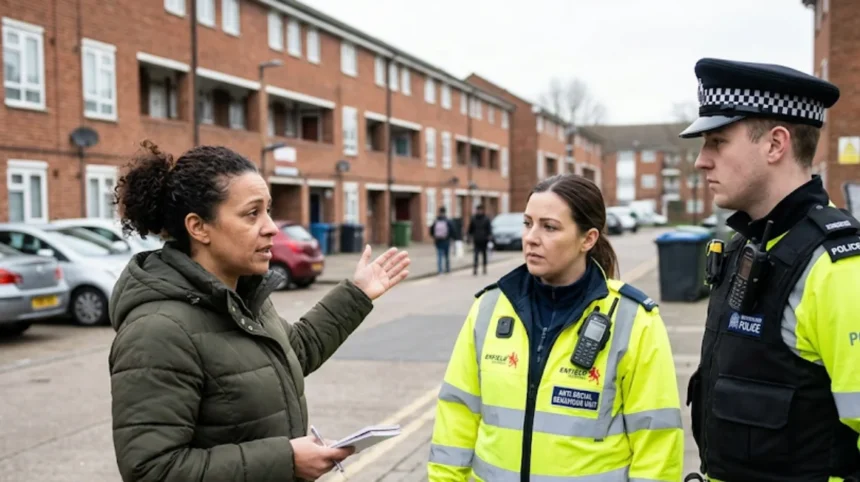
If you are dealing with persistent anti‑social behaviour (ASB) in Enfield, you must first contact your housing provider if you are a council, housing association or private tenant, and then report the issue to Enfield Council’s Anti‑Social Behaviour Unit (ASBU) via 020 8379 4612 or asbu@enfield.gov.uk. For crimes, immediate risks or serious ASB, you also contact the Metropolitan Police on 101 (non‑emergency) or 999 (emergency), and can request an ASB case review from the council if you feel your case has been mishandled.
- What Is Anti‑Social Behaviour and Why Does It Matter in Enfield?
- Who Should You Contact First If You Are a Tenant in Enfield?
- When and How to Contact Enfield Council’s Anti‑Social Behaviour Unit
- When and How to Contact the Metropolitan Police for ASB in Enfield
- How to Request an Anti‑Social Behaviour Case Review in Enfield
- Which Safer Neighbourhoods Teams Cover Enfield and How to Contact Them
- What Support Services Are Available for Victims of Persistent ASB in Enfield?
- How Enfield Council Handles Persistent ASB Cases Under Its 2023–2028 Policy
- What Legal Actions Can Be Taken Against Persistent ASB in Enfield?
- How to Keep Evidence and Record ASB Incidents for Enfield Council and Police
- What Happens If You Do Not Report Persistent ASB in Enfield
- How Persistent ASB Reporting Works Across Different Housing Types in Enfield
What Is Anti‑Social Behaviour and Why Does It Matter in Enfield?
Anti‑social behaviour is any conduct that causes alarm, distress, nuisance or annoyance to others and does not involve people living together as a household. In Enfield, ASB includes persistent noise, verbal abuse, harassment, intimidation, drug‑related activity, graffiti, vandalism, fly‑tipping, aggressive neighbours and behaviour that threatens community safety.
Persistent ASB damages mental health, reduces quality of life and undermines trust in neighbourhoods. It can also lead to formal legal action, including injunctions, criminal behaviour orders and eviction, when providers and the council intervene. Understanding who to contact ensures that reports are taken seriously and that victims receive timely support.
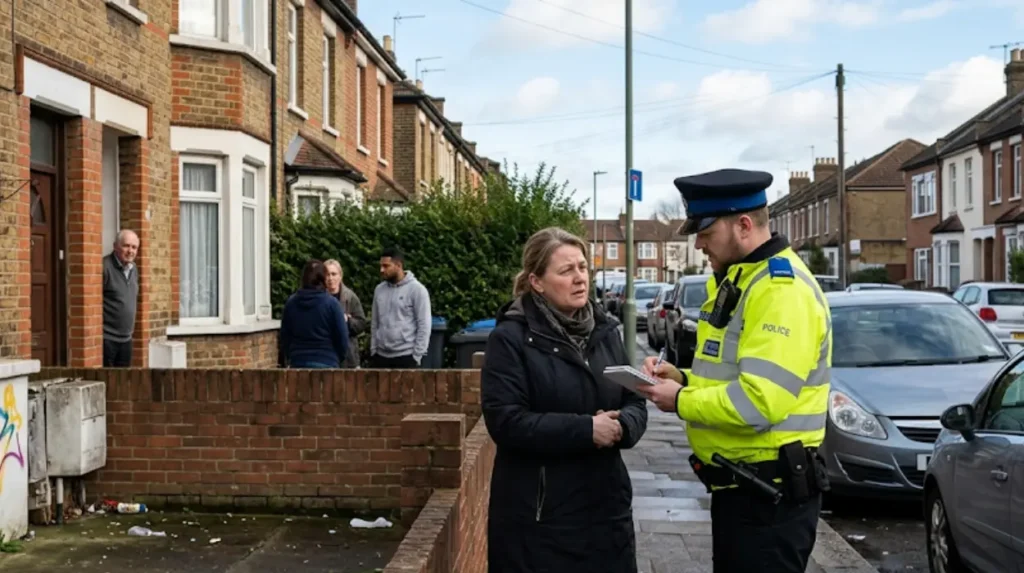
Who Should You Contact First If You Are a Tenant in Enfield?
If you are a tenant, your first contact is your housing provider: Enfield Council for council tenants, your housing association for association tenants, or your landlord/managing agent for private renters. This is the mandatory first step before you escalate to the council’s ASBU or police.
Your housing provider is responsible for managing tenancy agreements, investigating complaints and taking enforcement action where needed. They can issue warnings, start tenancy breach procedures, apply for injunctions or pursue eviction in serious cases. If they do not act, you can then escalate to Enfield Council’s ASBU and, if necessary, request a case review or contact the Housing Ombudsman.
When and How to Contact Enfield Council’s Anti‑Social Behaviour Unit
You contact Enfield Council’s Anti‑Social Behaviour Unit (ASBU) when your housing provider has not resolved persistent ASB, when you are not a tenant, or when the behaviour affects multiple residents or public spaces. ASBU deals with cases that cross tenancy boundaries, involve council estates, or require coordinated action with police and other agencies.
To report ASB to ASBU, call 020 8379 4612 or email asbu@enfield.gov.uk. When you call, you must leave your name, address, telephone number and a brief reason for your call on voicemail. When you email, clearly state that you are reporting anti‑social behaviour, describe what is happening, where it is happening, who is involved and how often it occurs. Include dates, times and any evidence such as messages, photos or recordings.
ASBU assesses each report, decides whether it meets the definition of ASB and determines the level of risk. They may work with police, your housing provider, schools, youth services or mental health teams. Where behaviour is serious or persistent, ASBU can support applications for injunctions, criminal behaviour orders or other legal remedies under the council’s ASB Policy 2023–2028.
When and How to Contact the Metropolitan Police for ASB in Enfield
You contact the Metropolitan Police when ASB involves crimes, immediate risk, violence, drug dealing, weapon threats, domestic abuse or behaviour that requires urgent intervention. For emergencies, call 999. For non‑emergency reports, call 101 or submit an online report via the Metropolitan Police website.
The police investigate crimes linked to ASB. They can arrest offenders, issue cautions, apply for criminal behaviour orders and work with Enfield Council and housing providers on joint enforcement. For less serious cases that do not involve crimes, the police may refer you to Safer Neighbourhoods Teams or to the council’s ASBU.
Every police report should include full details of incidents, times, locations, descriptions of people involved and any evidence. If you fear violence or immediate harm, always call 999. For anonymous reporting of crime, you can contact Crimestoppers on 0800 555 111, but this is not a police line and will not replace an emergency call if someone is at risk.
How to Request an Anti‑Social Behaviour Case Review in Enfield
You request an anti‑social behaviour case review when you have reported ASB multiple times and feel your case has not been properly handled, investigated or resolved by your housing provider, Enfield Council ASBU or police. A case review is a formal mechanism to check whether actions were appropriate and whether further steps are needed.
To request a review, email asbu@enfield.gov.uk and include the phrase “Antisocial behaviour case review” in your message. State your name, address, contact details, a summary of previous reports, dates of incidents, who you contacted and what actions were taken. Explain why you believe the response was inadequate. The council will assess your case and may involve senior officers, partner agencies or independent reviewers to recommendations on next steps.
Case reviews can lead to new enforcement actions, revised risk assessments, additional support or referrals to other services. They do not guarantee immediate outcomes but provide a structured way to challenge poor handling and push for stronger action.
Which Safer Neighbourhoods Teams Cover Enfield and How to Contact Them
Safer Neighbourhoods Teams (SNTs) are local police teams that work with communities in specific wards across Enfield to prevent crime and tackle ASB. They handle less serious ASB cases that do not involve immediate risk or complex crimes, and they coordinate with the council and housing providers on local issues.
To contact your local SNT, you use the Metropolitan Police website to find the team for your ward. Each SNT has named officers, phone numbers and email addresses. You report ASB to them by calling 101, visiting in person or using online reporting forms. They attend incidents when needed, gather evidence and work with ASBU or housing providers where cases cross boundaries.
SNTs also run community meetings, crime prevention advice and youth engagement projects. They are a key point of contact for residents who want to discuss ASB patterns, safety concerns or local priorities with officers who know their area.
What Support Services Are Available for Victims of Persistent ASB in Enfield?
Victims of persistent ASB in Enfield can access support from mental health services, crisis hubs, domestic abuse agencies and community organisations. These services help with stress, anxiety, trauma and safety planning when ASB affects wellbeing.
Mind in Enfield and Barnet runs a Sanctuary and Crisis Hub for adults aged 18+ in Enfield, offering a helpline, short‑term support sessions, safety planning and emotional listening. You can contact them by calling 020 8906 7509 or emailing sanctuaryenfield@mindeb.org.uk. Domestic abuse support is available through the Domestic Abuse Hub (0800 923 9009) and out‑of‑hours resilience services (0208 379 1000). Samaritans (116 123) provide free, confidential emotional support for anyone feeling overwhelmed.
Community organisations such as Karibu Community Homes and local housing advice services also offer guidance on ASB reporting, tenancy rights and mediation. These services do not replace formal reporting but complement it by helping victims manage stress and plan next steps.
How Enfield Council Handles Persistent ASB Cases Under Its 2023–2028 Policy
Enfield Council’s Antisocial Behaviour Policy 2023–2028 sets out how the council defines, records, investigates and responds to ASB across its estates and communities. The policy prioritises victim safety, risk assessment, multi‑agency action and proportionate enforcement.
Under the policy, the council records each ASB report, assigns a risk level and decides on actions such as warnings, mediation, referrals to police, injunctions or eviction. It works with housing providers, police, schools, youth services and mental health teams to address complex cases. The policy also includes commitments to transparency, victim support and regular case reviews.
Persistent ASB cases are managed through escalation: early warnings, formal notices, multi‑agency risk meetings and, where necessary, legal action. The policy also allows for case reviews when victims feel their case has not been handled properly, ensuring accountability and continuous improvement in ASB response.
Explore More Help & Resources
How to challenge Enfield controlled parking zone fines?
Why was a parking ticket issued in Enfield residential zones?
What Legal Actions Can Be Taken Against Persistent ASB in Enfield?
Legal actions against persistent ASB in Enfield include injunctions, criminal behaviour orders, tenancy breach procedures, eviction and referrals to courts or prosecutors. Housing providers and the council can apply for injunctions to stop specific behaviour, breach orders leading to arrests, or eviction where tenancy terms are repeatedly violated.
The police can issue cautions, charge offenders and apply for criminal behaviour orders that restrict movement, contact or activities. Courts may impose fines, community orders or imprisonment depending on the severity of behaviour. These actions are used when warnings, mediation and other non‑legal measures do not stop persistent ASB.
Legal action is not automatic; it depends on evidence, risk level and the willingness of the victim to cooperate. The council and housing providers guide victims through processes, explain options and support them through court or enforcement proceedings where necessary.
How to Keep Evidence and Record ASB Incidents for Enfield Council and Police
You keep evidence and record ASB incidents by creating a detailed log of each event, including date, time, location, description, people involved and any witnesses. You also collect messages, photos, videos, recordings, noise recordings and other material that supports your claim.
A written log should be clear, factual and chronological. Include what happened, how it affected you, whether you reported it, who you contacted and what response you received. This log helps ASBU, police and housing providers assess patterns, risk and the need for enforcement. You can store copies electronically and keep originals secure.
Evidence strengthens your case, increases the likelihood of legal action and supports case reviews. Organised records also help you explain your situation to support services, mediators or legal advisors.
What Happens If You Do Not Report Persistent ASB in Enfield
If you do not report persistent ASB in Enfield, no formal action will be taken and your housing provider, the council or police cannot investigate or enforce remedies. ASB may continue or worsen, increasing risk to your safety and wellbeing.
Reporting is the first step in any enforcement or support process. Without a report, there is no case record, no risk assessment and no opportunity for legal action or mediation. Your silence does not protect you; it leaves you without support and without protection.
How Persistent ASB Reporting Works Across Different Housing Types in Enfield
Reporting persistent ASB in Enfield depends on your housing type: council tenants report to Enfield Council, housing association tenants report to their association, and private renters report to their landlord or managing agent. Each provider has its own procedures but must follow the same legal framework for ASB.
If your provider does not act, you escalate to Enfield Council ASBU and, if necessary, request a case review. Police are contacted for crimes or immediate risks regardless of housing type. This layered approach ensures that victims have multiple routes to action and that cases are not blocked by one organisation’s delay.
Persistent ASB in Enfield requires clear reporting, evidence, escalation and support. By contacting your housing provider first, then Enfield Council ASBU, the Metropolitan Police and support services, you create a complete response that protects your safety and increases the chance of enforcement.
Who should I contact first about anti-social behaviour in Enfield?
If you are a tenant, you should first contact your housing provider. Council tenants should contact Enfield Council Housing, housing association tenants should contact their housing association, and private renters should contact their landlord or managing agent.