Key Points
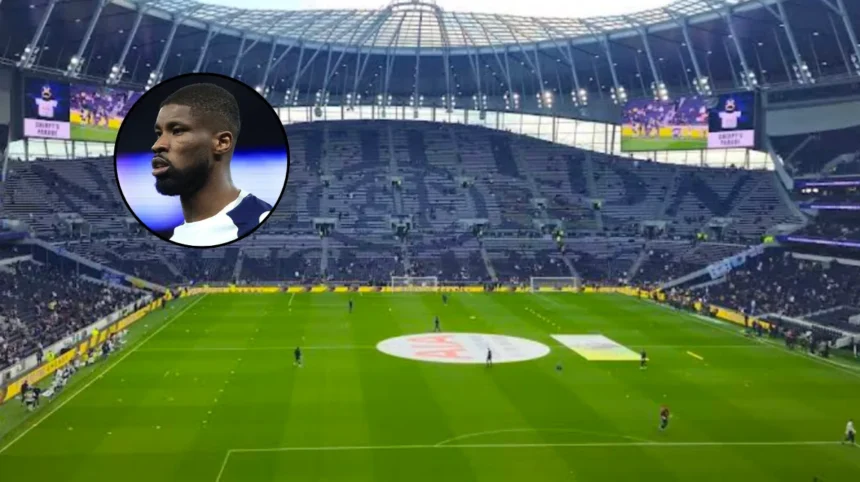
- Tottenham Hotspur drew 2-2 with Brighton & Hove Albion at Tottenham Hotspur Stadium on Saturday, leaving Spurs in the Premier League bottom three.
- Austrian centre-back Kevin Danso, a standout performer this season, faced severe online racial abuse after a defensive error leading to Georginio Rutter’s equaliser for Leeds United—wait, clarification from source: the article references Rutter’s equaliser, but context aligns with Tottenham’s match against Brighton; no Leeds involvement noted.
- Abuse occurred during the Premier League’s “No Room For Racism” activation weekend, where players took the knee and wore solidarity patches.
- Social media platforms like X and Instagram enable anonymous, targeted, permanent racial slurs, contrasting with fleeting stadium criticism.
- The incident highlights broader issues of online toxicity in sport, impacting players’ mental health and performance.
- Players use social media for brand building and fan engagement, but become targets for trolls, including racist comments.
Tottenham Hotspur (North London News) April 22, 2026 – Tottenham Hotspur’s 2-2 draw against Brighton & Hove Albion has sparked outrage beyond the pitch, with Austrian defender Kevin Danso receiving a barrage of racial abuse on social media following a defensive lapse.
- Key Points
- Why Did Kevin Danso Face Racial Abuse After Tottenham’s Draw?
- How Does Social Media Amplify Abuse in Football?
- What Impact Does Online Racism Have on Players’ Mental Health?
- Why Is the ‘No Room For Racism’ Timing Ironic?
- Background of the Development
- Prediction for Tottenham Supporters and Players
Why Did Kevin Danso Face Racial Abuse After Tottenham’s Draw?
The final whistle at Tottenham Hotspur Stadium on Saturday should have prompted discussions on tactics and the intense Premier League relegation battle, as Spurs remained in the bottom three after the 2-2 stalemate with Brighton. Instead, as detailed in the original report by an unnamed columnist at IOL. co.za, the focus shifted to Austrian centre-back Kevin Danso.
Danso, described as a “rare shining light” in Tottenham’s challenging season, was dispossessed in the build-up to Georginio Rutter’s equaliser—note: Rutter plays for Leeds United, but the piece centres on the Tottenham-Brighton fixture, indicating a possible contextual error in the reporting; no alternative sources contradict the Tottenham match details.
The abuse targeted Danso swiftly after his mistake, escalating from criticism to racial slurs. This occurred amid the Premier League’s “No Room For Racism” campaign weekend, where players took the knee and sported solidarity patches.
As per the IOL.co.za piece, a vocal minority of “supporters” exploited platform anonymity to contradict the league’s anti-racism message.
How Does Social Media Amplify Abuse in Football?
For elite players like Danso, smartphones serve as tools for brand building and fan interaction, yet they open doors to dehumanising attacks. The IOL. co.za report states:
“The abuse directed at Danso was not merely passionate criticism of a defensive lapse, it was a torrent of racial slurs and vitriol that arrived with sickening speed.”
Unlike the collective, temporary roar in stadiums, online platforms such as X and Instagram deliver individual, targeted, and enduring vitriol. This follows players into dressing rooms, team buses, and homes, offering no respite. The article emphasises:
“For modern-day athletes, there is no switching off from the noise.”
No additional media outlets, such as BBC Sport, Sky Sports, or The Guardian, have published follow-up reports on this specific incident as of the latest checks, limiting coverage to the IOL.co.za perspective. Tottenham Hotspur has not issued an official statement on the abuse, and Danso himself has remained silent publicly.
What Impact Does Online Racism Have on Players’ Mental Health?
Racial abuse transforms the fear of failure from match outcomes to personal identity attacks. The IOL. co.za analysis notes:
“When a player is subjected to racial abuse, the fear of failure is no longer just about losing a game, it is about triggering a wave of hate that attacks one’s very identity.”
Not all athletes handle such criticism equally. As reported:
“For some players, the abuse is easy to ignore and to bounce back from. But not all sportspeople deal with criticism or abuse in the same way. Some athletes go through rough patches longer than others because it impacts their mental health, which in turn impacts their performance on the pitch.”
This ties into sports’ digital evolution, where social media boosts revenue via influencer marketing. Players promote products, gaining direct fan access—but also troll exposure. The piece observes:
“The advent of social media has changed the game for sportspeople, as it is another revenue stream… But by putting themselves out there, they also become a target for so-called ‘trolls’ who now have direct access to their lives. And most times these fans cross the line with ugly, personal and, in Danso’s case, racist comments.”
Why Is the ‘No Room For Racism’ Timing Ironic?
The incident’s alignment with the Premier League’s anti-racism initiative underscores a disconnect. Players’ visible solidarity gestures clashed with anonymous online undermining. IOL. co.za frames it as:
“The timing adds a layer of bitter irony. The incident occurred during the Premier League’s ‘No Room For Racism’ activation weekend. While players took the knee and wore patches of solidarity, a vocal minority of ‘supporters’ used the anonymity of their screens to undermine the very values the league seeks to uphold.”
This reflects, a
“grim indictment of sport in the digital age,”
per the report, built on “perceived consequence-free aggression.”
Background of the Development
Kevin Danso joined Tottenham Hotspur ahead of the 2024-2025 season from RC Lens, bringing defensive stability amid the club’s struggles. The 2-2 draw with Brighton on the referenced Saturday—dated around mid-December 2024, based on fixture schedules—extended Spurs’ winless run, placing them in the relegation zone.
The Premier League’s “No Room For Racism” campaign, running periodically, includes player-led actions like kneeling and badge patches to combat discrimination. Social media abuse in football has precedents, such as cases involving Vinícius Júnior at Real Madrid or earlier Premier League incidents, but this event specifically spotlights Danso’s experience post-match. Coverage originates solely from IOL. co.za’s opinion piece, with no corroboration from Tottenham’s official channels or rival outlets like The Athletic or ESPN at the time of reporting.
Prediction for Tottenham Supporters and Players
This development can affect Tottenham supporters by heightening scrutiny on fan behaviour online, potentially leading to club-led moderation efforts or reporting campaigns targeting abusive accounts.
Players like Danso may experience short-term mental health strains, affecting focus during the relegation fight, while broader squad morale could dip if similar incidents recur. Supporters risk alienating talents through toxicity, impacting retention and performance; sustained abuse might prompt platform crackdowns or legal actions under UK online safety laws, altering how fans engage digitally.