Key Points
- Claim About David Ginola’s Transfer: The former French footballer, David Ginola, claimed that he did not want to leave Tottenham Hotspur in 2000 but was “forced to leave.”
- George Graham Found At Fault: According to Ginola, George Graham, the former manager of Tottenham Hotspur, had masterminded all the publicity regarding Ginola’s transfer for a £3 million fee to Aston Villa.
- Responses from Fans: The mid-2000 transfer took the fans by surprise after the three-year period during which Ginola had played spectacularly and won the League Cup for Tottenham Hotspur.
- From the Autobiography: These claims about the transfer were mentioned in his autobiography, Le Magnifique, written in 2000.
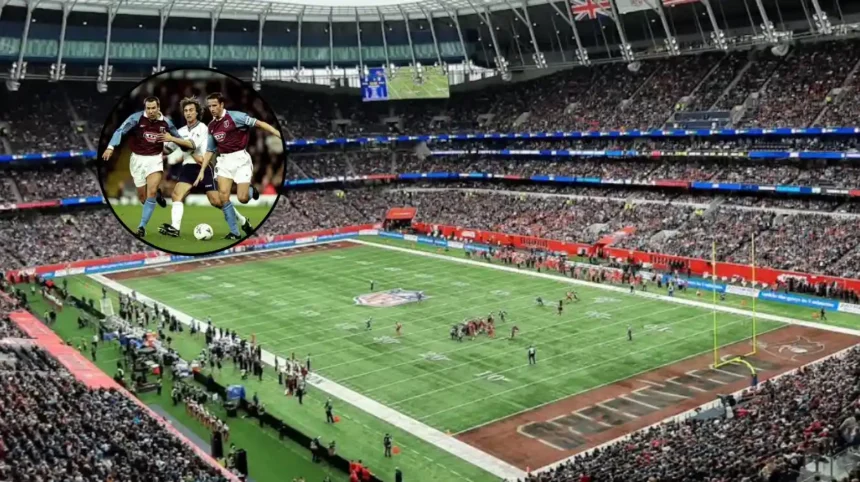
Tottenham (North London News) September 19, 2026 – Former Tottenham Hotspur winger David Ginola has detailed the acrimonious circumstances surrounding his departure from the North London club in 2000, alleging that he was forced out against his personal wishes prior to completing a £3 million transfer to Aston Villa.
The 59-year-old former French international had spent three years at White Hart Lane, becoming a fan favourite through his flamboyant playing style, individual skill, and charismatic off-field personality. Despite establishing a deep connection with the club’s supporters, Ginola’s spell in North London came to an abrupt conclusion when he was sold to the Midlands club, a decision that left the Tottenham fanbase surprised.
Why did David Ginola leave Tottenham Hotspur for Aston Villa?
Addressing the nature of his exit, David Ginola outlined that he had no intention of ending his tenure at Tottenham Hotspur prematurely. In accounts detailed in his 2000 autobiography Le Magnifique, Ginola specified that managerial decisions directly precipitated his transfer.
As reported by David Ginola in his autobiography Le Magnifique, Ginola stated that
“I never wanted to leave Tottenham. I was pushed out. George Graham tried to put all the pressure on Alan Sugar by saying in the press how he didn’t want me to leave, but that the chairman had accepted a good offer for me from Villa.”
According to Ginola’s account, former manager George Graham publicly distanced himself from the sale by pointing toward financial decisions made by then-chairman Sir Alan Sugar, despite internal friction regarding the player’s role within the squad.
What was the background to David Ginola’s departure from Tottenham Hotspur?
David Ginola arrived at Tottenham Hotspur from Newcastle United in the summer of 1997 for a fee of £2.5 million. During the 1998–99 season, Ginola played a pivotal role in Spurs’ campaign, helping the club secure the League Cup with a 1–0 victory over Leicester City at Wembley Stadium. His individual performances that season earned him both the PFA Players’ Player of the Year and the Football Writers’ Association Footballer of the Year awards, making him one of the few players to win the honours while playing for a team outside the top four Premier League places.
However, the appointment of George Graham as manager in October 1998 introduced a tactical shift toward a more disciplined and defensive system. Tensions between Graham’s structured tactical approach and Ginola’s attacking flair persisted throughout their shared tenure, culminating in the summer of 2000 when Tottenham accepted Aston Villa’s £3 million bid for the winger. Ginola subsequently spent eighteen months at Villa Park before finishing his career with brief stints at Everton and Burnley.
How can this historical development affect the Tottenham Hotspur fanbase?
The enduring legacy of David Ginola’s departure serves as a historic reference point for the Tottenham Hotspur fanbase, particularly regarding the relationship between creative, flair-driven players and pragmatic tactical managers. For supporters, accounts detailing internal friction between management and star players highlight how corporate governance and managerial philosophies can directly impact squad continuity and supporter morale.
Furthermore, discussions surrounding Ginola’s exit continue to inform fan perspectives during transfer windows and managerial transitions at North London. Understanding the historical context of how iconic figures left the club reinforces the importance fan communities place on preserving creative identity, squad stability, and transparent communication from club leadership during player transactions.