North Gower Street is situated in the Bloomsbury district within the NW1 postal area of North London. The street is a northern extension of Gower Street, which has been a critical part of the locality’s urban fabric since the late 1700s. Known for its Georgian architecture and long-standing connection to education and healthcare, North Gower Street has evolved over centuries while maintaining its historic charm.
Historical Background
The development of Gower Street, including its northern section known as North Gower Street, began in the 1780s under the influence of Lady Gertrude Leveson-Gower and the Bedford Estates, one of the wealthiest families in Great Britain. The houses were originally built as private homes for upper-middle-class families and are significant examples of Georgian architectural style characterized by balance, proportion, and classical symmetry.
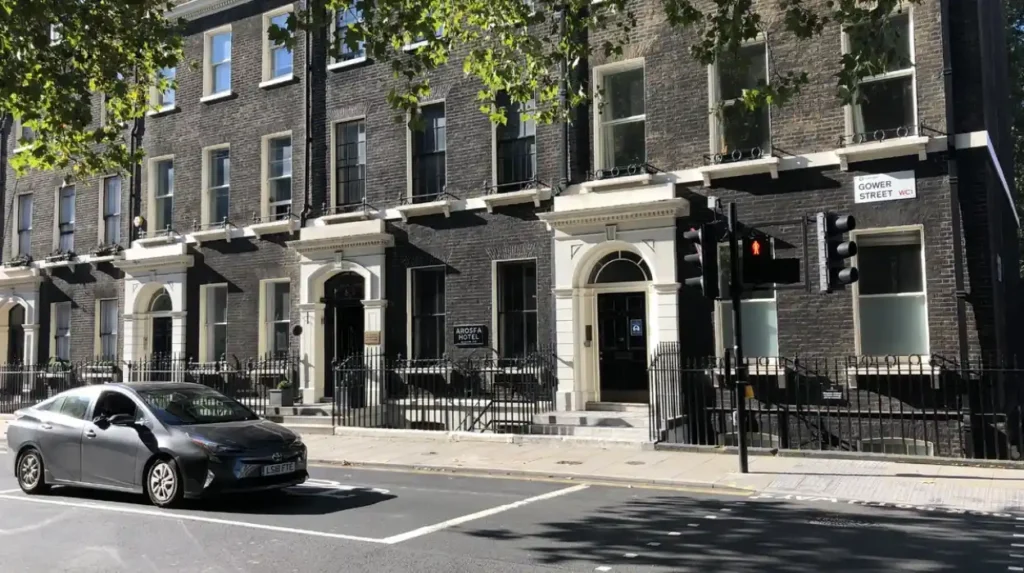
The architecture of numbers 65 and 67 North Gower Street stands out as one of the longest unbroken Georgian terraces in London. These buildings exemplify the uniformity of house fronts which was considered aesthetically pleasing in the 18th century and emphasized classical architectural principles. Throughout the 19th century and early 20th century, many of these residences transformed into boarding houses accommodating a diverse range of lodgers, from military officers to private families.
Architectural and Cultural Significance
North Gower Street is notable for its cohesive Georgian terraces that form a rare continuous architectural ensemble. Such streetscapes are valuable in preserving the historical and visual heritage of London’s urban landscape.
Among the famous former residents, Elizabeth Stride, known as “Long Liz,” resided at 67 North Gower Street before becoming one of Jack the Ripper’s victims. This connection to London’s darker Victorian history gives the street a unique cultural layer.
The nearby Gower Street area played a pivotal role in the development of modern education and healthcare in London. For example, University College London (UCL), often referred to historically as the “godless institution of Gower Street,” was established as a secular alternative to the Anglican universities of Oxford and Cambridge. This institution began expanding in the 1820s and occupies much of the eastern side of Gower Street and by extension influences the North Gower Street vicinity.
North Gower Street and London’s Underground History
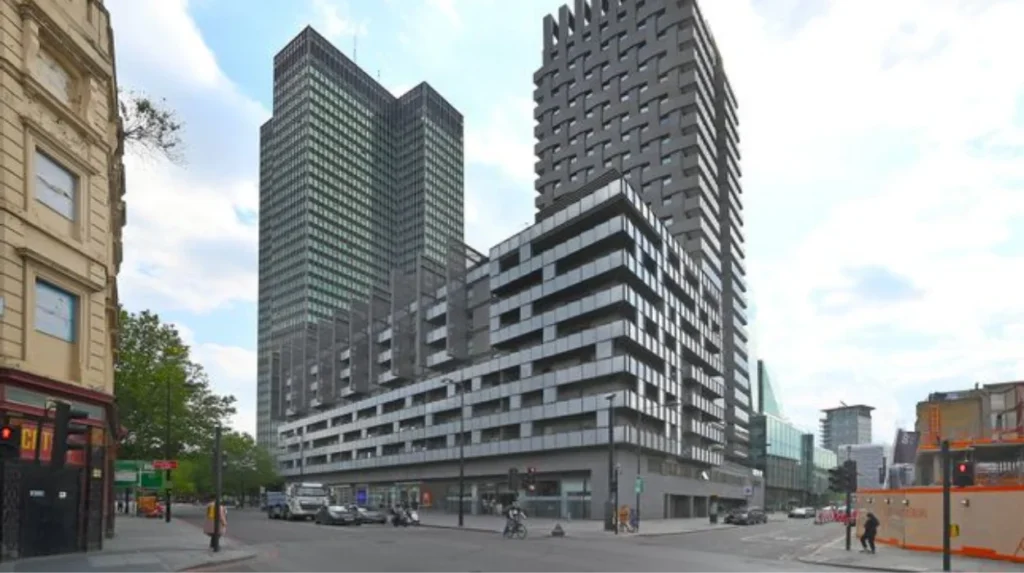
At the northern end of Gower Street, close to North Gower Street, the Metropolitan Railway opened one of its original stations in 1863, part of London’s first underground railway system. The station was later renamed Euston Square in 1909. This proximity to London’s pioneering underground station underscores the street’s integration into the broader urban transport network, enhancing accessibility and urban growth.
North Gower Street Today
Today, North Gower Street retains much of its Georgian architectural charm and historical significance while hosting a mix of residential and institutional buildings. The street serves both local residents and visitors interested in the layered history of Bloomsbury and North London. It is part of a broader area that includes important cultural and academic institutions such as UCL and SOAS (School of Oriental and African Studies).
North Gower Street also occasionally features in popular culture, including film and television productions, commemorating its Victorian history and distinct architectural character.
North Gower Street is a gem of North London, encapsulating centuries of architectural finesse, cultural history, and urban development. Its role in the expansion of education, healthcare, and transportation reflects the dynamic growth of Bloomsbury and London itself. Whether admired for its classic Georgian terraces or explored for its intriguing historical stories, North Gower Street continues to be a significant and captivating part of North London’s heritage.