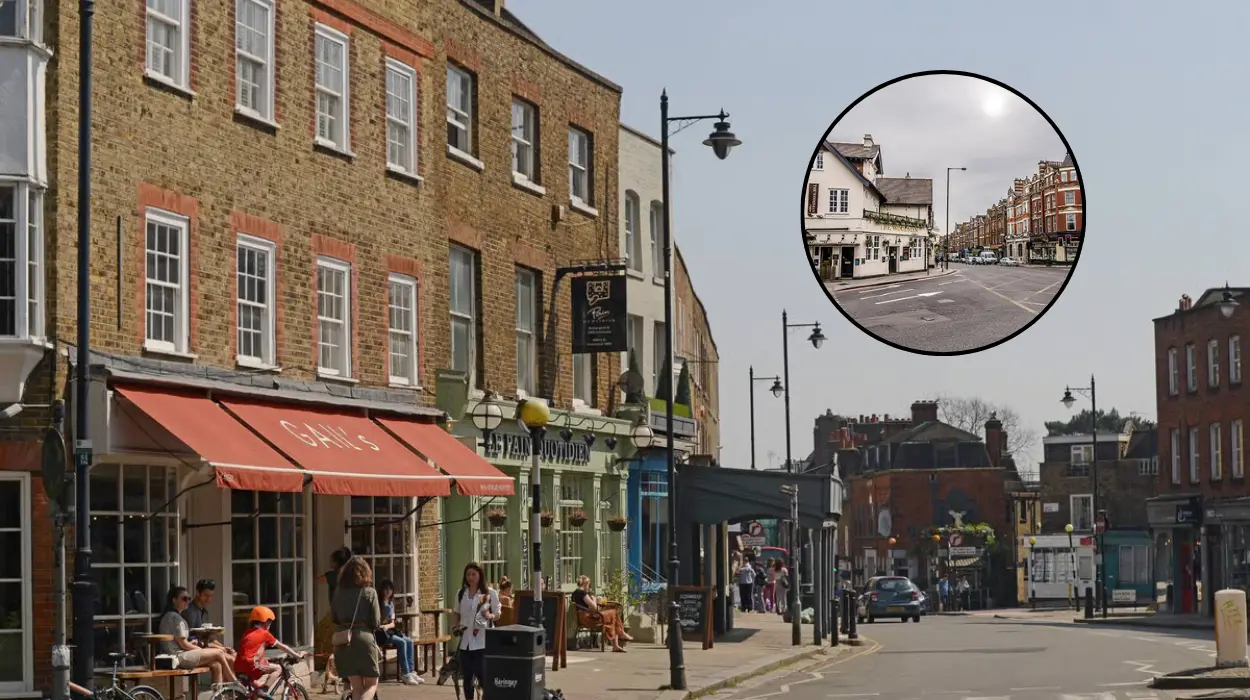
Highgate sits on the northern edge of Hampstead Heath, straddling three London boroughs and offering a distinctive blend of historic charm, green spaces, and a village-like feel just minutes from central London. This evergreen piece traces Highgate’s origins, its landmark landscapes, living and visiting experiences, and the sustainable path it follows as a beloved North London gateway.
Origins and identity
Highgate derives its name from a historic hedge and toll gate that marked access through an ancient deer park held by the Bishop of London. This toll-gate origin, tied to the area’s strategic crossroads, set the stage for a community shaped by travel, trade, and evolving land use. Over centuries, Highgate transformed from a deer park’s edge into a fashionable suburb, propelled by transport links and the city’s expanding footprint. The name and crossroads narrative remain a central thread in local memory and identity, anchoring Highgate in London’s broader historical arc [Highgate history and name origin narrative remains a central thread in local memory and identity, anchoring Highgate in London’s broader historical arc]. The topography—elevated ground near Hampstead Heath—also contributed to its early appeal as a retreat from the city while remaining within easy reach of urban life.
Landmarks and landscape
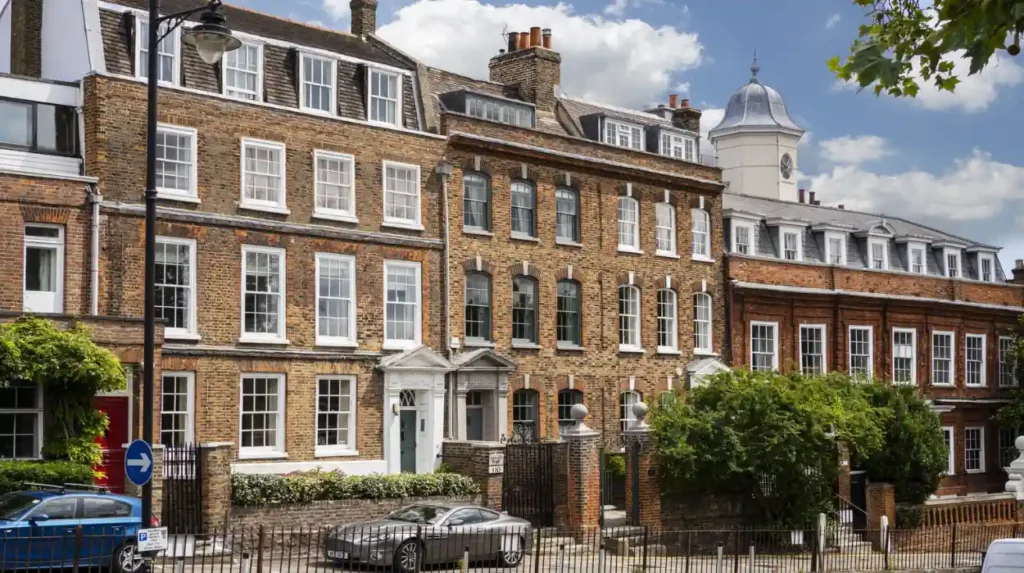
The landscape of Highgate is a layered tapestry of woodlands, historic streets, and notable architectural pockets. Hampstead Heath, along with Highgate Wood and Queen’s Wood, provides expansive green spaces that contrast with the intimate character of the High Street and surrounding streets. Parliament Hill and other high viewpoints offer sweeping views across the capital, underscoring the strategic and aesthetic value of the area’s geography Highgate landscape includes the heath and woods, with panoramic views from Parliament Hill; these elements define its character. The built environment showcases a spectrum from early villas to late-Georgian and Victorian homes, reflecting a long history of suburban development that sought elegance, privacy, and proximity to nature.
Education and culture
Education has long been central to Highgate’s identity. Highgate School, with roots tracing back to the 16th century on land once associated with a hermitage, highlights the area’s enduring emphasis on learning and community contribution. The presence of a strong educational framework complements cultural and intellectual life, reinforcing a neighborhood that values knowledge, heritage, and civic engagement [Highgate School’s lineage and cultural role highlighted in local sources]. Local historical societies and community groups further enrich Highgate’s cultural fabric by hosting tours, talks, and exhibitions that illuminate its layered past and present.
Living in Highgate today
Residents enjoy a balanced lifestyle that combines the serenity of green spaces with the conveniences of a well-serviced urban village. The three-borough setting—Camden, Islington, and Haringey—creates a diverse array of services, schools, shops, and dining options, while still retaining a compact, walkable center. The High Street’s shops, cafes, and period pubs offer social hubs that anchor daily life, while proximity to Hampstead Heath ensures exercise, nature, and seasonal outdoor activities are always accessible. The housing stock ranges from spacious early-19th-century villas to quieter terraces, appealing to families, professionals, and retirees seeking a refined North London milieu with easy city access.
Getting around and outdoor access
Highgate benefits from rail services and bus routes that connect residents with central London and beyond, making it a practical home base for those who value quality of life alongside career opportunities. Easy walking and cycling paths around Hampstead Heath and the surrounding woods support a sustainable, active lifestyle while also preserving a tranquil ambiance within urban reach. The neighborhood’s transport and pedestrian-friendly infrastructure reflect a commitment to accessibility and environmental well-being, aligning with modern urban living norms.
Practical, timeless guidance for visitors and new residents
For visitors, plan a heritage-focused stroll that combines the High Street’s architectural charm with a morning or afternoon on Hampstead Heath or in Highgate Wood. Families may especially value the educational heritage personified by Highgate School and the area’s ongoing commitment to community life. Architecture enthusiasts will enjoy the mix of historic villas and more recent suburban designs set against the backdrop of green spaces and woodland corridors. These evergreen recommendations remain relevant across seasons, making Highgate a reliable destination and residence for years to come.
Historical and contemporary balance
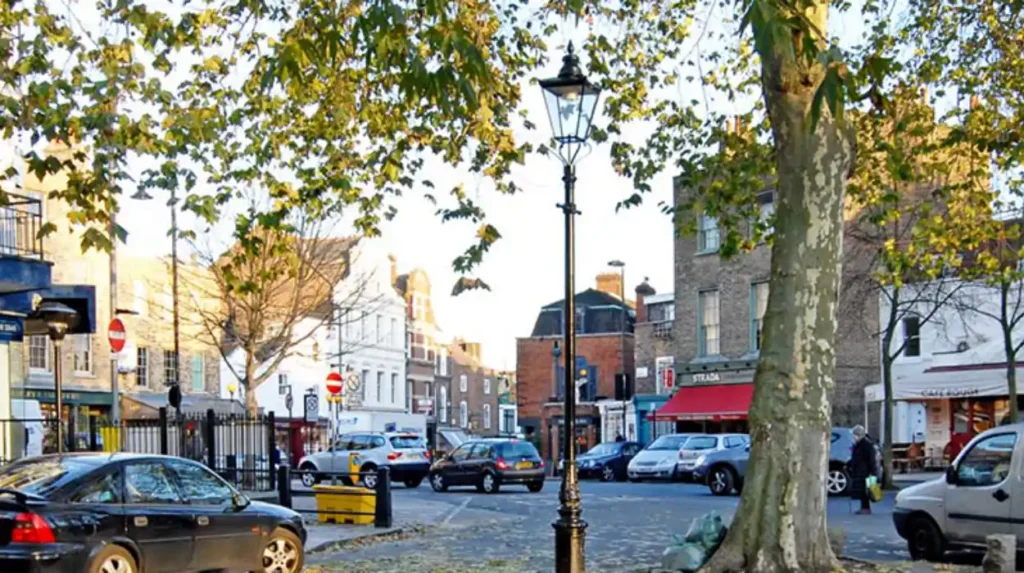
Highgate’s enduring appeal lies in its ability to marry memory with modern living. Its origin as a hedge-gate toll point, its elevated geography, and its ongoing role as a quiet yet connected North London neighborhood create a sense of continuity that resonates with both long-time residents and newcomers. The preservation of green spaces, the maintenance of its historic streets, and the active involvement of local organizations all contribute to a living, breathing heritage that continues to adapt while staying true to its roots.