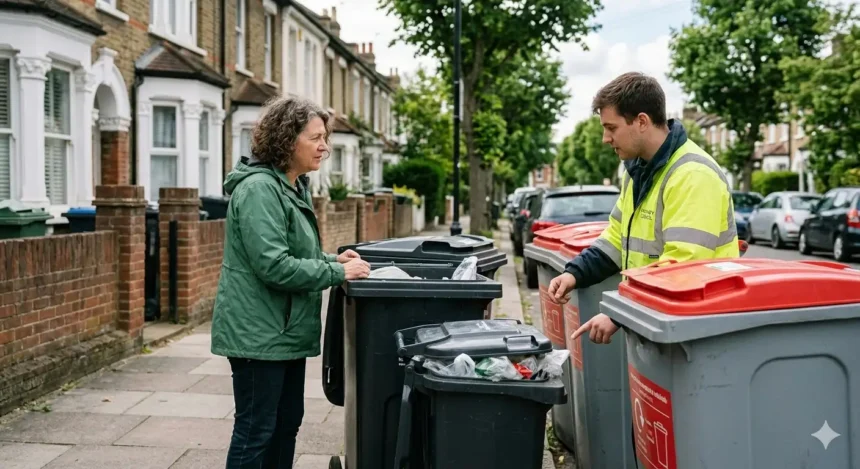
Residents in Hackney can request a larger rubbish bin directly through the London Borough of Hackney Council by submitting an online application or contacting their waste services team. This service is available to households that regularly fill their current bin before collection day. North London council procedures ensure fair access for local residents in areas like Brent, Barnet, Enfield, Camden, Haringey, and Islington.
- Why This Issue Matters to Local Residents
- Step-by-Step Actions to Solve the Problem
- Which Council Service Handles It
- Information or Documents Needed
- Expected Response Time
- What to Do if Follow-Up Is Required
- Rights and Responsibilities Under UK Rules
- Practical Tips to Avoid the Problem in Future
- Additional Considerations for North London Households
Why This Issue Matters to Local Residents
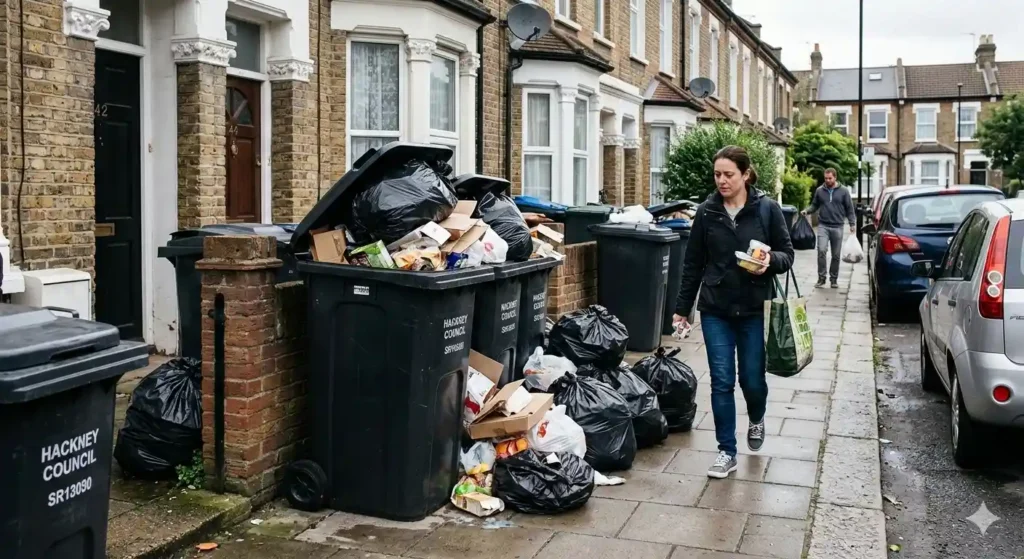
Overflowing rubbish bins create practical challenges for households across North London. In busy areas like Hackney, where families and shared properties generate more waste, standard bins often prove insufficient, leading to bags piling up on streets.
This not only attracts pests but also risks fines for improper waste storage under local bylaws. For residents in Brent council or Barnet council zones, similar pressures from population density highlight the need for adequate bin capacity to maintain clean neighbourhoods.
Addressing this promptly keeps communities hygienic and compliant with council expectations. Local residents benefit from reduced stress over waste management during busy routines.
Step-by-Step Actions to Solve the Problem
Follow these clear steps to order a larger rubbish bin in Hackney.
- Visit the Hackney Council website and navigate to the waste and recycling section, or use their online request form for bin services.
- Select the option for a larger or additional general waste bin, providing your full address and details about your current bin usage.
- Submit proof of need, such as photos of your overflowing bin on collection day, if prompted during the application.
- Await confirmation via email, then prepare space at your property for the new bin delivery.
- Track progress through the council’s online portal using your reference number.
These actions align with standard North London council processes. Brent council and others follow comparable online systems for efficiency.
Which Council Service Handles It
The Waste and Recycling team within Hackney Council manages all requests for larger rubbish bins. This department oversees household collections and bin allocations borough-wide.
For residents in neighbouring boroughs like Camden or Haringey, equivalent services exist under each local council’s environment or street services division. Islington and Enfield councils route similar queries through their dedicated waste management portals.
Contacting the right service avoids delays. Hackney’s team ensures requests are assessed based on household needs.
Information or Documents Needed
Prepare these essentials before applying for a larger rubbish bin in Hackney.
- Your full property address, including postcode, to verify eligibility.
- Household details, such as the number of occupants, to justify the upgrade.
- Evidence like photographs showing your current bin filled to capacity multiple weeks in a row.
- Council tax reference number, if requested, to confirm residency.
No formal ID is typically required, but accurate details speed up approval. Barnet council and Brent council applications mirror this, emphasising proof of genuine need.
Expected Response Time
Hackney Council usually acknowledges bin requests within 3-5 working days. Delivery of the larger rubbish bin follows assessment, often within 10-15 working days thereafter.
Delays may occur during peak periods, such as spring cleaning season. Neighbouring authorities like Enfield council aim for similar timelines, keeping local residents informed via email updates.
Patience during these windows ensures smooth service. Track your request online for real-time status.
What to Do if Follow-Up Is Required
If no response arrives within the expected timeframe, check your application status first via the Hackney Council portal. Use your reference number for quick access.
Next, email or call the waste services team with your details for a polite chase-up. Keep records of all communications, including dates and reference numbers.
For persistent issues, escalate to the council’s customer service complaints process. This structured approach works across North London councils, including those in Islington and Haringey.
Rights and Responsibilities Under UK Rules
Under the Environmental Protection Act 1990, UK residents have the right to adequate waste collection services from their local authority. Hackney Council must consider genuine requests for larger bins without undue refusal.
Residents must recycle maximally and use bins correctly to qualify. Responsibilities include not overfilling, securing lids, and placing bins out on collection day.
Failure to comply can lead to rejected applications or fixed penalty notices. These rules apply uniformly in Camden council and Barnet council areas, promoting fair usage.
Practical Tips to Avoid the Problem in Future
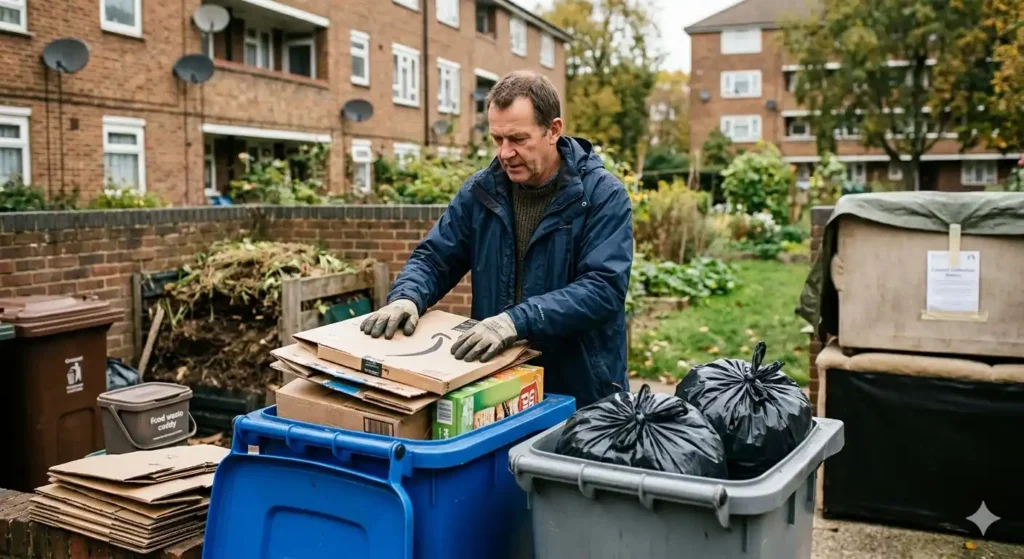
Maximise current bin space by flattening boxes and bagging waste tightly before disposal. Separate recyclables diligently to reduce general waste volume.
Compost garden or food scraps at home where feasible, easing bin pressure. Schedule bulky waste collections for oversized items via council services.
Review household habits quarterly to anticipate needs. These steps help local residents in Hackney and beyond maintain efficient waste routines year-round.
Additional Considerations for North London Households
Families in Haringey or Enfield may face similar bin constraints due to growing households. Always check borough-specific pages for tailored advice.
Shared properties should coordinate requests collectively. Staying proactive keeps streets tidy.
What bin sizes are there in Hackney?
In Hackney London Borough Council, standard household rubbish bins are usually 140-litre or 240-litre wheelie bins. Some properties may also have smaller 120-litre bins or larger communal bins depending on the type of housing and collection arrangements. When ordering a larger rubbish bin, most households can request an upgrade from a 140L to a 240L bin if they meet the council’s eligibility criteria.