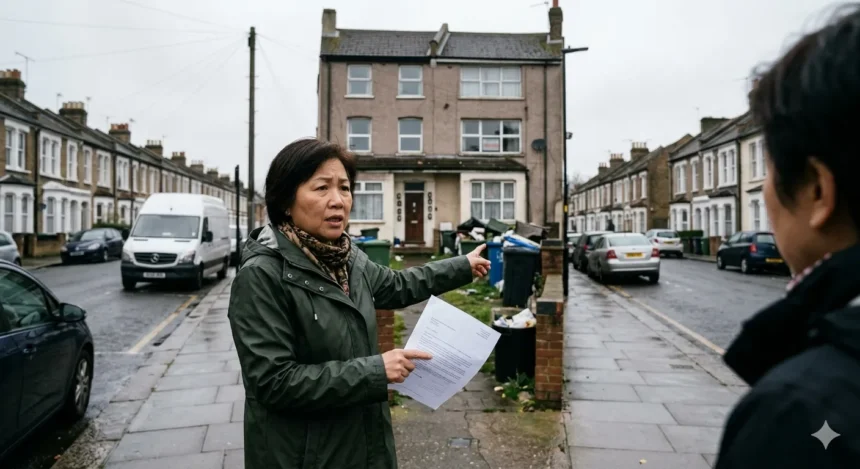
To complain about Houses in Multiple Occupation (HMOs) on your North London street, contact your local council’s environmental health team with the property address, occupancy details, and reasons for concern. They will investigate under UK housing laws to ensure compliance. This guide provides step-by-step actions for residents in Brent, Barnet, Enfield, Camden, Haringey, and Islington.
Why This Issue Matters to Local Residents
HMOs house multiple unrelated households sharing facilities, which can strain local amenities if not managed properly. In North London boroughs like Brent and Barnet, high demand for affordable housing leads to more HMOs, potentially increasing parking issues and waste collection pressures on streets.
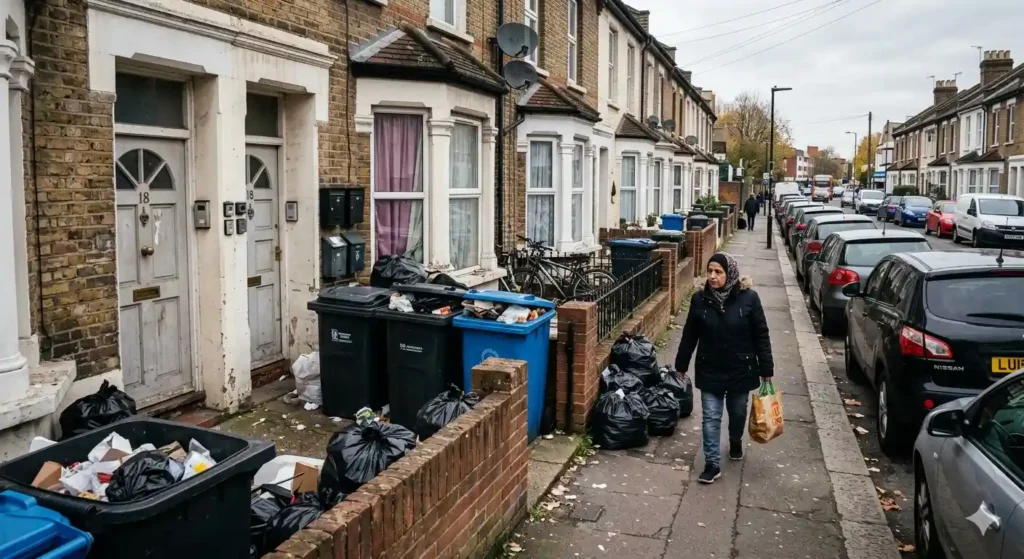
Local residents often notice overcrowding signs, such as frequent visitors or excessive rubbish, affecting neighbourhood quiet and safety. North London councils prioritise these complaints to maintain community standards and protect public health.
Well-regulated HMOs support diverse housing needs, but unresolved problems can lower property values and quality of life for everyone nearby.
Step-by-Step Actions to Solve the Problem
Follow these practical steps to report an HMO issue effectively through your North London council.
- Gather evidence discreetly, noting the property address, estimated number of occupants, and specific concerns like noise or poor maintenance.
- Check your council’s website for an online reporting form under environmental health or private housing; most Brent Council, Barnet Council, and others offer this service.
- Submit the report anonymously if preferred, including photos or dates of incidents without identifying yourself.
- Keep a record of your submission reference for follow-up.
- Allow time for initial review before chasing progress.
This process ensures your complaint reaches the right team quickly and legally.
Which Council Service Handles It
Environmental health teams in North London councils manage HMO complaints. In Camden and Haringey, contact the private sector housing section; Enfield and Islington use similar housing standards officers.
Brent Council directs reports to its housing enforcement team, while Barnet Council routes them through community protection services. These departments enforce the Housing Act 2004, assessing properties via the Housing Health and Safety Rating System (HHSRS).
Local residents should use borough-specific portals, as each North London council tailors its service to local needs.
Information or Documents Needed
Prepare key details to strengthen your report to the council.
Provide the full property address with postcode, your observations on occupancy (e.g., more than five unrelated adults), and descriptions of issues like anti-social behaviour or disrepair. Include dates, times, and evidence such as photos of overflowing bins or structural concerns.
No formal documents are required from you, but councils may request landlord details if known. Anonymous reports still need sufficient facts for investigation.
This information helps North London council officers act promptly under licensing rules.
Expected Response Time
Councils typically acknowledge HMO complaints within five working days. Brent Council and Barnet Council aim to review submissions quickly, starting investigations if viable.
Full assessments, including site visits, may take two to four weeks depending on workload and urgency. High-risk cases, like serious hazards, receive faster attention across Enfield, Camden, Haringey, and Islington.
Residents can expect updates if contact details are provided, with enforcement actions following valid findings.
What to Do If Follow-Up Is Required
If no response arrives within the expected timeframe, politely chase your case using the reference number. Email or use the council’s online portal for Brent Council or Barnet Council updates.
Escalate to a senior officer or the council’s complaints procedure if needed, outlining prior contact. North London councils must follow their corporate complaints process, usually resolving stage one within 10 working days.
Persistent issues may involve the Local Government Ombudsman as a last resort, but exhaust council steps first.
Rights and Responsibilities Under UK Rules
UK law under the Housing Act 2004 requires mandatory HMO licensing for properties with five or more occupants forming more than two households. Landlords must meet standards for fire safety, amenities, and management.
Residents have the right to a safe neighbourhood, with councils able to issue improvement notices or revoke licences for non-compliance. You must report in good faith, avoiding false claims, which could undermine credibility.
North London local residents benefit from these protections, balancing housing supply with community wellbeing.
Practical Tips to Avoid the Problem in Future
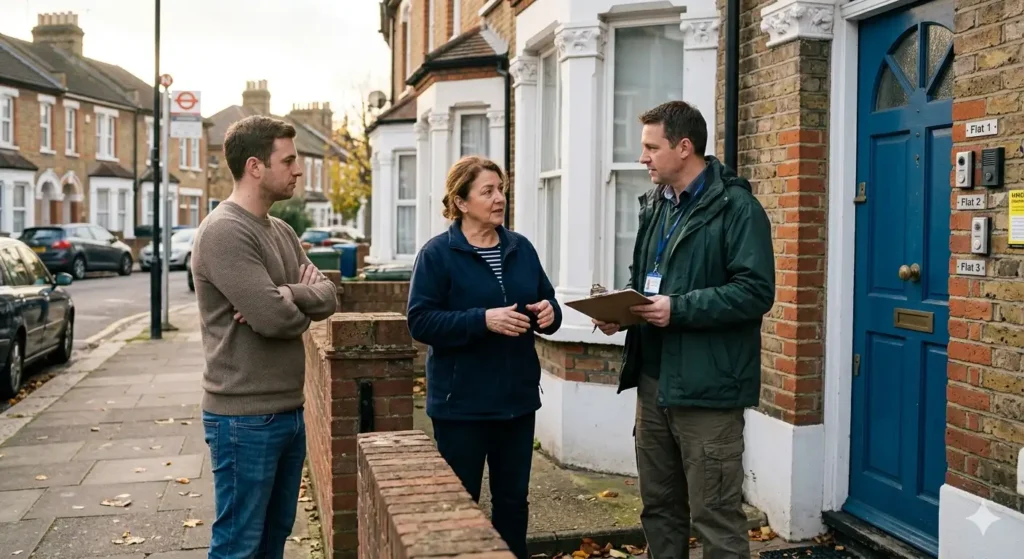
Monitor your street for early HMO signs, like multiple doorbells or high tenant turnover, and report promptly to prevent escalation. Engage neighbours to collectively note patterns, strengthening council cases.
Support local planning by responding to consultations on HMO Article 4 directions in areas like Islington and Haringey, which limit new conversions. Choose housing near compliant properties when moving.
Stay informed via North London council newsletters on housing enforcement, fostering proactive community vigilance.
HMOs serve vital roles in North London’s diverse housing market, but proper oversight keeps streets harmonious. By following these steps, Brent, Barnet, Enfield, Camden, Haringey, and Islington residents can address concerns efficiently. Local councils equip teams to handle reports fairly, upholding UK standards for all.
Can neighbours complain about an HMO?
Yes. Residents can complain to their local council if a House in Multiple Occupation (HMO) is causing issues such as noise, overcrowding, waste problems, or anti-social behaviour. Councils like London Borough of Barnet, London Borough of Haringey, and London Borough of Hackney allow neighbours to report concerns through their environmental health or housing enforcement teams, who can investigate licensing or property management breaches.