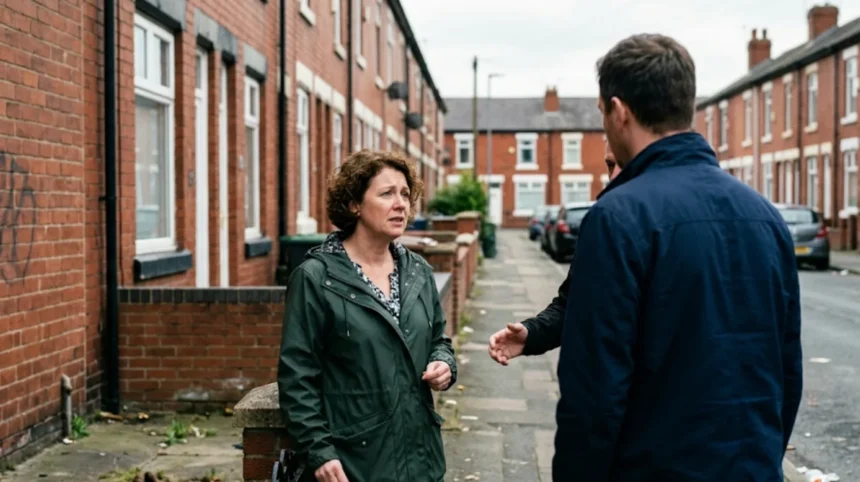
Anti-social behaviour in residential areas is conduct that causes, or is likely to cause, harassment, alarm, or distress to people not in the same household, or nuisance/annoyance to someone occupying residential premises. Under the Anti-social Behaviour, Crime and Policing Act 2014, this includes persistent unreasonable noise, verbal abuse, vandalism, dog fouling, drug dealing, and threatening behaviour.
- What is the legal definition of anti-social behaviour in UK residential areas?
- What specific behaviours count as anti-social in residential areas?
- Noise nuisance and auditory disturbances
- Verbal abuse, harassment, and intimidation
- Vandalism, property damage, and environmental offences
- Drug-related behaviour and alcohol offences
- Driving, vehicles, and transportation nuisance
- WhatBehaviour is NOT considered anti-social in residential areas?
- How does anti-social behaviour differ from hate crime in residential areas?
- Who should report anti-social behaviour and how do I report it in North London?
- What powers do councils and police have to address anti-social behaviour?
- What statistics show about anti-social behaviour prevalence in residential areas?
- What impact does anti-social behaviour have on residential communities?
What is the legal definition of anti-social behaviour in UK residential areas?
The legal definition is conduct causing harassment, alarm, or distress to anyone outside your household, or nuisance/annoyance to someone occupying residential premises under the Anti-social Behaviour, Crime and Policing Act 2014.
This definition has three parts: (a) conduct causing harassment, alarm, or distress to any person; (b) conduct capable of causing nuisance or annoyance to a person regarding their occupation of residential premises; and (c) conduct capable of causing housing-related nuisance or annoyance to any person. The Act replaced earlier legislation including the Antisocial Behaviour Act 2003 and Police Reform and Social Responsibility Act 2011.
The legal threshold requires behaviour affecting people not in your same household. Normal living noises like children playing or DIY during reasonable daytime hours do not qualify. Persistent patterns crossing into anti-social behaviour include loud parties, frequent disruptions at unsocial hours, and deliberate interference with neighbours’ peaceful occupation.
Courts and councils assess both the actual impact and likelihood of causing harm. Behaviour reasonably likely to affect others’ wellbeing meets the threshold even if no complaint has been filed yet. Housing associations and councils use this definition when enforcing tenancy agreements and issuing injunctions.
What specific behaviours count as anti-social in residential areas?
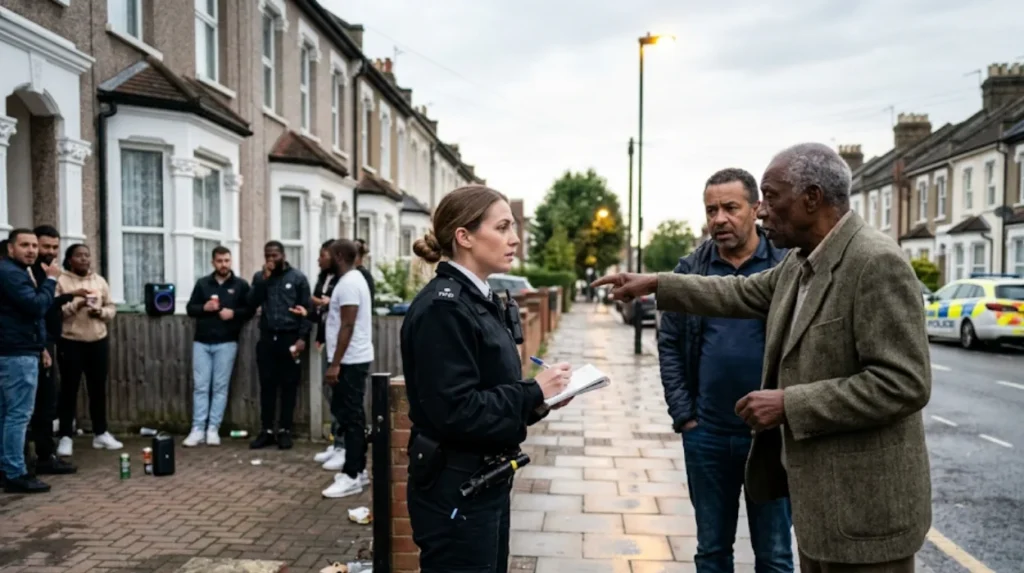
Anti-social behaviour includes persistent unreasonable noise, verbal abuse, threatening behaviour, vandalism, graffiti, drug dealing, dog fouling, rubbish dumping, racial harassment, and intense intimidation that causes harassment, alarm, or distress to neighbours.
Noise nuisance and auditory disturbances
Noise nuisance covers loud music, banging, DIY at unsocial hours, loud parties, and frequent visitors during night times. Persistent unreasonable noise is explicitly listed as anti-social behaviour. Unsocial hours typically mean 11 PM to 7 AM, though councils may define local variations.
Examples include:
- Loud parties lasting multiple hours after 11 PM
- Frequent banging or drilling between 11 PM and 7 AM
- Constant loud music disturbing neighbours weekly
- Regular visitor noise at unsocial hours causing distress
Normal daytime DIY and children playing during reasonable hours are excluded from anti-social behaviour definitions. The key distinction is persistence and timing rather than the noise itself.
Verbal abuse, harassment, and intimidation
Verbal abuse aimed at causing distress or fear to specific people constitutes anti-social behaviour. This includes targeted harassment of elderly or disabled residents, abusive language, and intimidation through threats. Racial harassment and other hate behaviour fall under this category.
Specific examples:
- Threatening behaviour towards neighbours
- Racial harassment or hate speech
- Verbal abuse targeting disabled or elderly people
- Intimidation through threats causing fear
When harassment references protected characteristics like race, disability, or religion, anti-social behaviour becomes hate crime. The Police Reform and Social Responsibility Act 2011 addresses this intersection.
Vandalism, property damage, and environmental offences
Vandalism used to harass or intimidate counts as targeted vandalism. Graffiti, property damage, and rubbish dumping are environmental anti-social behaviour. Dog fouling and dogs barking persistently also qualify.
Examples include:
- Grafting on neighbours’ walls or fences
- Vandalising communal areas in apartment buildings
- Dumping rubbish in gardens or shared spaces
- Dog fouling on public paths near residences
- Persistent dog barking causing neighbour distress
Arson and property damage threatening safety are criminal anti-social behaviour. Councils handle environmental offences while police address criminal damage.
Drug-related behaviour and alcohol offences
Sale or supply of drugs and drug use in residential areas count as anti-social behaviour. Drug dealing in local areas is explicitly listed. Antisocial drinking in communal spaces also qualifies.
Specific instances:
- Selling drugs on residential streets
- Drug use in communal housing areas
- Drug dealing visible to neighbours
- Antisocial drinking in shared garden spaces
Drug-related anti-social behaviour often involves criminal offences, requiring police intervention rather than just council action.
Explore More Help & Resources
What Happens After Reporting Pavement Damage to Council in North London
How to Report Dangerous Potholes in Local Roads Across North London
Driving, vehicles, and transportation nuisance
Driving inconsiderately or carelessly, including car cruising and congregating for racing, constitutes anti-social behaviour. However, bad parking alone does not qualify.
Examples:
- Car cruising groups congregating on residential streets
- Street racing causing neighbour alarm
- Inconsiderate driving endangering pedestrians
Abandoned vehicles may be reported separately but don’t automatically qualify as anti-social behaviour unless causing harassment or distress.
WhatBehaviour is NOT considered anti-social in residential areas?
Anti-social behaviour excludes normal living noises like children playing, neighbours doing DIY at reasonable daytime hours, and badly parked vehicles—these are annoying but don’t meet the legal threshold of causing harassment, alarm, or distress.
The distinction matters because residents often confuse annoyance with anti-social behaviour. Children playing during the day, even if noisy, is normal residential activity. DIY work between 7 AM and 11 PM generally doesn’t qualify unless persistently excessive.
Badly parked vehicles frustrate neighbours but fall under parking regulations rather than anti-social behaviour. Temporary noise from occasional visitors or single events lacks the persistence required.
Key exclusions:
- Normal children playing noise
- DIY during reasonable hours (7 AM–11 PM)
- Badly parked vehicles
- Single occasional loud events without persistence
- Normal living sounds in shared buildings
The persistence and timing determine whether behaviour crosses into anti-social territory.
How does anti-social behaviour differ from hate crime in residential areas?
Anti-social behaviour becomes hate crime when perpetrators harass victims using protected characteristics like race, religion, disability, sexual orientation, or gender identity—adding discriminatory intent to the harassment, alarm, or distress.
All hate crimes start as anti-social behaviour, but not all anti-social behaviour is hate crime. The distinguishing factor is discriminatory motivation based on protected characteristics under the Equality Act 2010. Racial harassment explicitly appears in anti-social behaviour definitions.
Protected characteristics include:
When verbal abuse targets someone’s race, disability, or sexuality, it becomes hate crime requiring police reporting. The West London Equality Centre documents how ASB transitions to hate crime through discriminatory harassment.
Who should report anti-social behaviour and how do I report it in North London?
Report threatening or criminal anti-social behaviour to police (999 for emergencies, 101 for non-emergencies); report local area issues to your council; report building-related issues to your landlord if you live in council or housing association property.
In North London, three main councils handle anti-social behaviour:
- Barnet Council: Covers Barnet, Colindale, and parts of north-west London
- Enfield Council: Covers Enfield, Edmonton, and north-east London areas
- Haringey Council: Covers Haringey, Alexandra Palace, and central north London
Reporting methods include:
- Online reporting forms on council websites
- Phone calls to council community safety teams
- Email to dedicated community safety departments
- Police non-emergency number 101
- Police emergency number 999 for immediate danger
Social housing tenants contact their landlord first. Private renters and homeowners contact their local authority. Landlords must provide ASB policy information and update complainants until cases close.
What powers do councils and police have to address anti-social behaviour?
Councils and police can issue injunctions, community protection notices, and closure orders under the Anti-social Behaviour, Crime and Policing Act 2014 to stop anti-social behaviour swiftly.
An anti-social behaviour injunction is a court order prohibiting specific behaviours. Breaching it results in arrest. Community protection notices require individuals to stop nuisance behaviour within set timeframes. Closure orders allow police to shut premises causing significant disorder for up to 48 hours initially.
Housing-related powers include:
- Possession orders for council tenants breaching tenancy agreements
- Demotion orders reducing tenancy security for serious anti-social behaviour
- Acceptable behaviour contracts for voluntary compliance
Police arrest individuals committing criminal anti-social behaviour like drug dealing, vandalism, or assault. Councils handle non-criminal nuisance through mediation and enforcement.
What statistics show about anti-social behaviour prevalence in residential areas?
Anti-social behaviour affects thousands of households annually across England, with noise nuisance representing the most common complaint type in residential areas according to council reporting data.
The Housing Ombudsman reports that antisocial behaviour complaints significantly increased post-2020, with landlords handling thousands of cases annually. Noise nuisance consistently ranks as the primary anti-social behaviour complaint across UK councils.
Key statistics:
- Noise nuisance is the most frequent residential anti-social behaviour complaint
- Landlords must provide ASB policy information to all complainants
- Council community safety teams handle environmental offences
- Police address criminal anti-social behaviour including drug dealing
Regional variations exist based on population density and housing types. Urban residential areas report higher anti-social behaviour rates than rural locations.
What impact does anti-social behaviour have on residential communities?
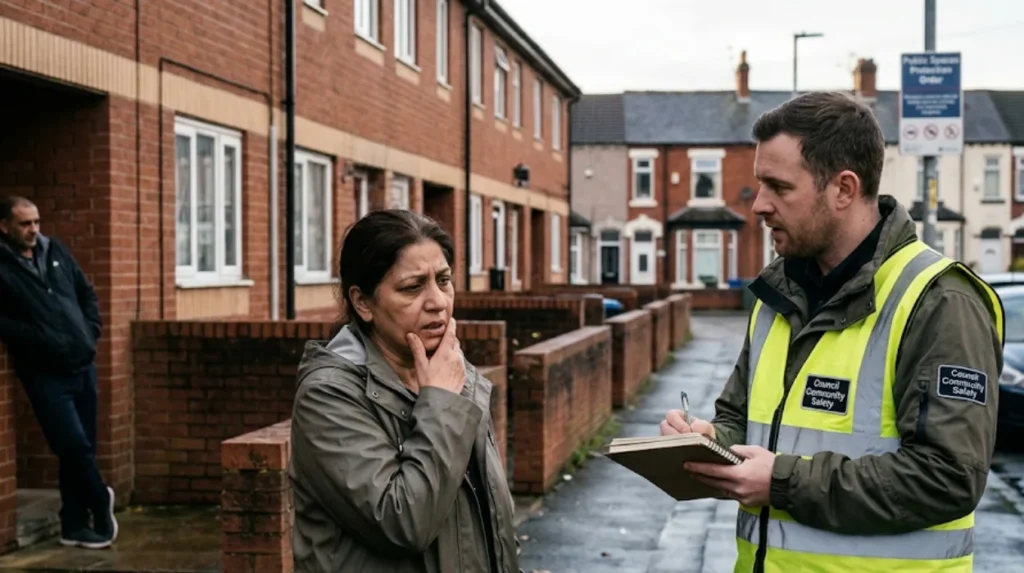
Anti-social behaviour negatively impacts quality of life, creates fear, damages property, reduces community cohesion, and decreases residential property values in affected areas.
The behaviour causes fear, danger, damage, injury, or loss to residents. Communities experience reduced wellbeing when anti-social behaviour persists unchecked. Quality of life deterioration affects individuals and broader community networks.
What is considered anti-social behaviour in residential areas?
Anti-social behaviour is conduct that causes or is likely to cause harassment, alarm, distress, nuisance, or annoyance to people living in residential areas. It is defined under the Anti-social Behaviour, Crime and Policing Act 2014.