Key Points
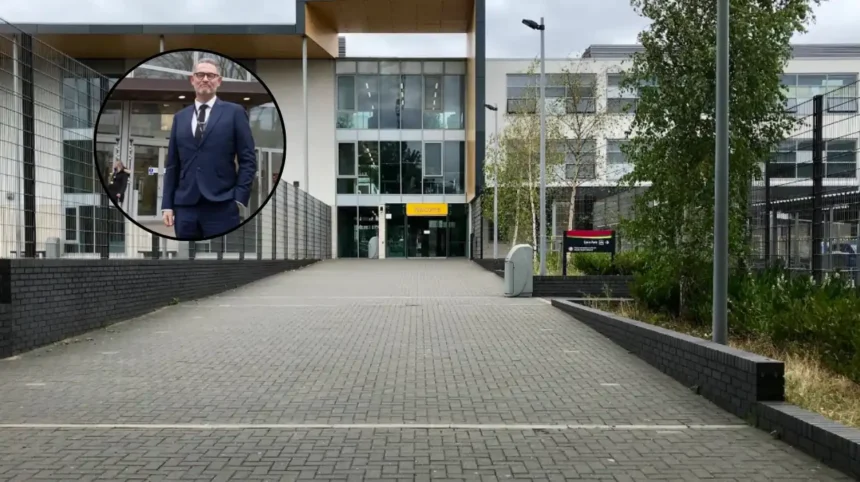
- Teacher Identified: Mr John Taylor, formerly Joint Head of Sixth Form at City of London Academy Islington, faced a Teaching Regulation Agency (TRA) professional conduct panel.
- Misconduct Details: Mr Taylor admitted to retaining phone numbers and sending inappropriate messages to two former teenage pupils via Snapchat and private messaging.
- Messages Sent: Communications included asking a former female pupil if she had a “bf” (boyfriend) with a smile emoji, sending a heart emoticon with the comment “I like beautiful things”, and stating “added you on snap. Probably shouldn’t but…”.
- Panel Ruling: The TRA panel found all factual allegations proved, ruling that Mr Taylor breached professional boundaries expected of educators.
- Outcome: Decision-maker David Oatley, acting on behalf of the Secretary of State for Education, ruled that a prohibition order (teaching ban) was not in the public interest due to Mr Taylor’s remorse, strong character references, and low risk of repetition.
Islington (North London News) July 30, 2026 – A former Joint Head of Sixth Form at City of London Academy Islington who admitted to sending “stupid” and “inappropriate” social media messages to former pupils has been allowed to remain in the teaching profession after an official misconduct panel determined that a formal teaching ban would be disproportionate.
- Key Points
- What Were The Specific Allegations Against Mr John Taylor?
- How Did The Teaching Regulation Agency Panel Reach Its Findings?
- Why Was No Prohibition Order Imposed On The Teacher?
- What Is The Background To This Disciplinary Hearing?
- Why Do Post-Exam And Post-Course Communications Cause Regulatory Risk?
- How Will This Decision Affect Teachers, Schools, And Safeguarding Policies?
What Were The Specific Allegations Against Mr John Taylor?
As detailed in the official Teaching Regulation Agency (TRA) panel report published on GOV.UK by decision-maker David Oatley, Mr John Taylor was employed at the City of London Academy Islington from September 2023 to August 2024 as Joint Head of Sixth Form.
The professional conduct hearing, which sat from 22 June 2026 to 24 June 2026, examined allegations that Mr Taylor failed to maintain appropriate professional boundaries with two former students, referred to in proceedings as Pupil A and Pupil B.
According to the published TRA findings written by decision-maker David Oatley on behalf of the Secretary of State for Education, Mr Taylor had supervised both students during an English language educational activity for children aged 14 to 16 in July 2023, prior to taking up his role at the Islington academy.
Following the conclusion of that program, Mr Taylor retained the personal mobile numbers of both pupils on his personal device and subsequently initiated contact over private messaging channels and social media.
As recorded in the official TRA outcome document by David Oatley, Mr Taylor admitted sending a series of messages that crossed professional boundaries, including:
- To Pupil A: “added you on snap. Probably shouldn’t but … [smile symbol]”
- To Pupil B: “hope you don’t mind me checking in”
- To Pupil B: “I like beautiful things [heart emoticon]”
- To Pupil B: “It’d be an incredible person in an incredible city”
- To Pupil B: “You’re a star”
- To Pupil B: “Do you have a bf [smile symbol]”
The panel noted that Mr Taylor accepted that retaining personal contact details without an ongoing educational justification and reaching out via personal social media accounts was unprofessional and represented a lapse in judgment.
How Did The Teaching Regulation Agency Panel Reach Its Findings?
As reported in the TRA outcome published on GOV.UK, the independent panel carefully reviewed the evidence and Mr Taylor’s admissions.
The panel determined that although the initial contact occurred shortly after an educational program outside a standard school setting, the activity was educational in nature, establishing a clear teacher-pupil dynamic that required standard professional boundaries to be maintained.
As documented in the TRA decision record by David Oatley, the panel stated that:
“messaging and having personal conversations with the students breached appropriate professional boundaries. The communications were not necessary for any continuing educational purpose and created an informal, personal channel of contact.”
The TRA panel further emphasized in its findings:
“The use of private messaging, the reference to adding Pupil A on Snapchat, references to photographs, the expression of a wish to see Pupil B again, the use of a heart symbol, personal comments about her and the question about whether she had a boyfriend, cumulatively crossed the professional boundaries expected of a teacher.”
While the panel found all factual allegations proved and concluded that Mr Taylor’s actions amounted to unacceptable professional conduct that could bring the profession into disrepute, it noted that there was no evidence of physical harm or deliberate malice.
Why Was No Prohibition Order Imposed On The Teacher?
As stated by decision-maker David Oatley in the Secretary of State decision published via GOV.UK, the Teaching Regulation Agency decided that issuing a prohibition order—which would have banned Mr Taylor from teaching in any school, sixth-form college, or youth accommodation in England—was neither necessary nor in the public interest.
As detailed in the TRA determination document by David Oatley, the decision was based on several key mitigating factors highlighted during the hearing:
- Short-Lived Conduct: The inappropriate communications were contained over a brief period and were described as out of character.
- Absence of Harm: No evidence was presented indicating that any pupil suffered direct psychological or physical harm as a result of the exchanges.
- Strong Professional Record: Mr Taylor demonstrated an otherwise high standard of teaching throughout his career, supported by positive written and oral testimonials from his current school leadership.
- Remorse and Insight: The panel found that Mr Taylor exhibited genuine insight into his errors, acknowledged the inappropriate nature of his messages, and demonstrated a low risk of repeating similar behavior.
In the final decision notice on GOV.UK, David Oatley concluded:
“For these reasons, I have concluded that a prohibition order is not proportionate or in the public interest. I consider that the publication of the findings made would be sufficient to send an appropriate message to the teacher as to the standards of behaviour that were not acceptable…”
What Is The Background To This Disciplinary Hearing?
Under the Teachers’ Standards enforced by the Department for Education and evaluated by the Teaching Regulation Agency (TRA), teachers in England are legally required to maintain high standards of ethics and proper personal conduct both inside and outside the classroom.
Standard safeguarding guidance, including Keeping Children Safe in Education (KCSIE), explicitly directs educational staff to avoid using personal social media accounts, personal phone numbers, or messaging applications such as Snapchat and WhatsApp to contact current or recently departed students.
Explore More Islington News
46 New Council Homes Open on Elthorne Estate, Islington 2026
UCL Study on Women’s Safety in Finsbury Park 2026
Why Do Post-Exam And Post-Course Communications Cause Regulatory Risk?
Regulatory panels frequently handle cases where boundaries blur during transitions—such as when students graduate, finish short summer programs, or transition between schools.
Disciplinary precedents from the TRA establish that the teacher-student power dynamic does not immediately vanish the moment a formal term ends, particularly when pupils remain minors.
How Will This Decision Affect Teachers, Schools, And Safeguarding Policies?
This ruling serves as a firm reminder from the Teaching Regulation Agency that informal messaging on non-official platforms—even when intended as harmless check-ins or friendly chatter—constitutes a breach of professional conduct.
While Mr Taylor avoided a career-ending teaching ban due to his immediate admission, demonstrated remorse, and clean prior record, the public finding of misconduct remains on his permanent professional record, visible to future employers.
School leadership teams and academy trusts across London and the wider UK are likely to use this published case to reinforce strict “zero-contact via personal channels” policies.
Educational institutions are increasingly adopting automated communication platforms (such as SchoolComms or Google Classroom) and requiring staff to delete all pupil contact details immediately upon completion of courses to prevent accidental boundary breaches.