Key Points
- Tring in western Hertfordshire has been described as an overlooked historic town on the edge of the Chiltern Hills.
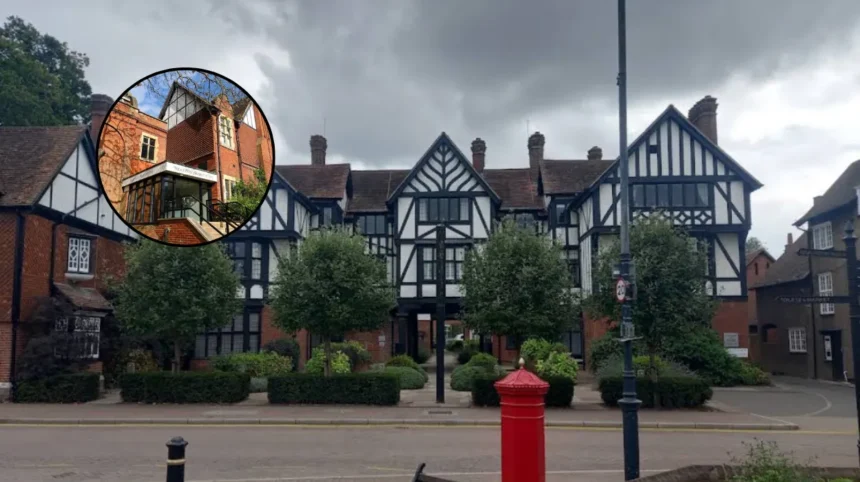
- The town is known for its Georgian and Victorian architecture, broad high street, independent shops, traditional pubs and cafés.
- Tring has a population of slightly more than 12,000 and is also regarded as a popular commuter settlement.
- The Natural History Museum at Tring is one of the town’s main attractions and contains thousands of preserved animals.
- The museum was created from the zoological collection of Lionel Walter Rothschild and was opened to visitors in 1892.
- Tring Park offers woodland trails, open grassland and views across Hertfordshire and the surrounding countryside.
- The Grand Union Canal provides another route for walking and cycling.
- The town has a range of independent places to eat and drink, including Black Goo Coffee, the Tufted Duck, Nonna’s and Tring Brewery.
- The nearby Ashridge Estate, Whipsnade Zoo and Berkhamsted provide additional attractions for visitors.
- The development could increase interest in Tring among London residents, day-trippers and people looking for quieter destinations outside the capital.
Tring (North London News) August 7, 2026 — The Hertfordshire market town has been highlighted as an underappreciated destination for visitors seeking independent shops, local food and historic attractions outside the capital. The town, positioned on the edge of the Chiltern Hills, is around an hour from London and has a population of slightly more than 12,000.
- Key Points
- Why is Tring being described as an overlooked town?
- What can visitors see on Tring’s high street?
- What is the Natural History Museum at Tring?
- What makes Tring Park important to the town?
- Can visitors walk or cycle beside the Grand Union Canal?
- Where can visitors eat and drink in Tring?
- What attractions are close to Tring?
- Why could Tring appeal to London visitors?
- What is the background to Tring’s development?
- How could this development affect visitors and local businesses?
The report describes Tring as a traditional English town with a broad high street, historic buildings and a range of small businesses. It also identifies the Natural History Museum at Tring as one of the settlement’s most significant attractions.
Why is Tring being described as an overlooked town?
Tring is located in western Hertfordshire, close to the Chiltern Hills. Although the town is within convenient reach of London and functions as a commuter settlement, it has retained the character of a historic market town.
The town’s history stretches back beyond the medieval period. Evidence indicates that people lived in the area during prehistoric times, while Tring became more important during the medieval era after receiving a market charter in the 14th century.
The market charter helped establish Tring as a centre for trade. Its location along important coaching routes also enabled the town to attract visitors, traders and travellers. Over time, this contributed to the development of the town’s commercial centre and helped shape the high street that remains a central part of Tring today.
The MyLondon report presents the town as a destination that combines its historic identity with modern independent businesses. Rather than focusing only on one attraction, Tring offers visitors a mixture of shopping, food, walking routes and museums.
What can visitors see on Tring’s high street?
Tring’s high street forms the centre of the town. It is characterised by Georgian and Victorian architecture, with historic buildings standing alongside modern shopfronts and businesses.
The high street includes independent boutiques, antique shops, gift shops and cafés. These businesses give the town a commercial character that is different from areas dominated by national chains.
Traditional pubs and artisan outlets also form part of the town centre. Visitors can spend time browsing the shops, eating in local cafés or exploring the surrounding streets before visiting one of the nearby attractions.
The report describes the high street as wide and suitable for a relaxed visit. Its combination of period architecture and independent businesses makes it one of the main reasons Tring appeals to people looking for a quieter day out.
The town’s historic buildings also reflect its earlier importance as a market and coaching settlement. The Georgian and Victorian features visible today are part of the wider character of western Hertfordshire.
What is the Natural History Museum at Tring?
The Natural History Museum at Tring is one of the town’s principal attractions. It was established through the collection of Lionel Walter Rothschild, the eldest son of the Rothschild banking family.
Rothschild developed an interest in wildlife during childhood. He collected specimens from different parts of the world and eventually built one of the largest private zoological collections in history.
The museum was opened to visitors in 1892. Its displays included preserved mammals, birds, reptiles and insects from every continent. The collection later gained international recognition because of its size and range.
After Rothschild’s death, the collection was handed over to the Natural History Museum in London. The Tring museum continues to operate as part of that institution.
The displays include preserved animals arranged in elegant wooden cases. Visitors can see examples of wildlife from different parts of the world, including brightly coloured birds and uncommon mammals.
The museum gives Tring an attraction that is distinct from its high street and countryside. It also connects the town to the history of zoological collecting and the development of museums devoted to natural history.
What makes Tring Park important to the town?
Tring Park was formerly part of the Rothschild family’s estate. It now provides open space and countryside views close to the town.
The park contains woodland trails, grassland and viewpoints overlooking Hertfordshire and the neighbouring countryside. These features make it suitable for visitors who want to combine a town visit with time outdoors.
The area is particularly used by walkers and runners. The trails provide routes through different landscapes, while the elevated viewpoints offer views across the surrounding region.
Tring Park adds another dimension to the town’s appeal. Visitors can explore the high street and museum before walking through woodland and open grassland without travelling far from the town centre.
The park’s links to the Rothschild family also connect it with the Natural History Museum at Tring. Both attractions reflect the influence of Lionel Walter Rothschild and his family on the area’s heritage.
Can visitors walk or cycle beside the Grand Union Canal?
The Grand Union Canal is another nearby destination for people visiting Tring. It provides a route for walking and cycling through the surrounding landscape.
Canal paths offer a different setting from the town’s high street and the woodland trails in Tring Park. Visitors can use the route as part of a wider day out or combine it with other walks in the area.
The canal also contributes to the town’s connection with historic transport and movement. Tring developed near important routes that supported trade and travel, and the canal remains part of the wider landscape associated with the town.
Where can visitors eat and drink in Tring?
Despite its population of slightly more than 12,000, Tring has a selection of independent cafés, pubs and restaurants.
Black Goo Coffee is identified in the report as one of the town’s popular venues. It serves professionally prepared coffee alongside a selection of food, making it suitable for visitors beginning a day in Tring.
The Tufted Duck, formerly known as the Akeman, offers a traditional British pub setting. The venue serves seasonal menus and locally sourced produce, and it has a beer garden. Its food offering includes Sunday roasts.
Nonna’s caters for visitors looking for Italian food. The family-run restaurant is known for freshly made pasta and authentic pizzas.
Tring Brewery is another local business connected with the town’s food and drink scene. The brewery has produced traditional ales in Tring since the early 1990s and supplies a number of pubs across Hertfordshire and Buckinghamshire.
Together, these businesses contribute to Tring’s identity as a destination with locally run food and drink options. They also provide visitors with several ways to extend a day trip beyond sightseeing.
Explore More UK News
UK maternity services under strain as staff shortages & safety concerns persist
England v Argentina Rugby: History, Key Matches, Stats and North London Interest
What attractions are close to Tring?
The area surrounding Tring includes several attractions that can be visited as part of a wider trip.
Ashridge Estate is a short drive from the town and is described as one of the National Trust’s major countryside destinations. The estate includes ancient woodland, rolling hills and extensive walking routes.
The estate attracts visitors throughout the year. Its combination of woodland and open countryside provides opportunities for walking and exploring the landscape around the Chiltern Hills.
Whipsnade Zoo is also located nearby. The report states that it is less than 15 minutes from Tring and describes it as one of Europe’s largest wildlife conservation parks.
The zoo is home to elephants, rhinoceroses, lions, giraffes and hundreds of other species. Its range of animals makes it an attraction for families as well as visitors interested in conservation and wildlife.
Berkhamsted, another nearby market town, offers a further option for visitors. It has the remains of Berkhamsted Castle, independent retailers and cafés centred around its high street.
These nearby locations mean a visit to Tring does not have to be limited to the town itself. Visitors can combine the museum and high street with countryside, wildlife and heritage attractions in the surrounding area.
Why could Tring appeal to London visitors?
Tring offers several features associated with a traditional day-trip destination. It has a historic centre, independent shops, cafés, pubs, green spaces and a nationally significant museum.
Its location around an hour from London makes it accessible to visitors who want to leave the capital without travelling a long distance. At the same time, its position near the Chiltern Hills gives it a countryside setting that differs from London’s urban environment.
The town may also appeal to people who prefer smaller independent businesses. The high street includes boutiques, antique shops, gift shops and cafés rather than relying only on large retail chains.
For visitors interested in history, the town offers several different points of interest. Its medieval market charter, Georgian and Victorian buildings, Rothschild connections and Natural History Museum provide separate layers of heritage.
The combination of these features explains why Tring has been presented as an overlooked alternative to better-known destinations. It is not dependent on a single attraction, but brings together museums, shopping, food, walking and nearby countryside.
What is the background to Tring’s development?
Tring’s development is closely connected to its position as a market and coaching town. Human activity in the area dates back to prehistoric times, but the town gained greater significance during the medieval period after receiving its market charter in the 14th century.
The charter established a formal basis for trade and helped Tring grow as a commercial settlement. Its location on important coaching routes brought additional movement through the town and supported the local economy.
The Rothschild family later played an important role in Tring’s heritage. Lionel Walter Rothschild’s interest in zoology led to the creation of the collection that became the Natural History Museum at Tring.
The museum opened to visitors in 1892 and eventually became part of the Natural History Museum in London after Rothschild’s collection was given to the nation. Tring Park, which was once part of the Rothschild estate, remains another visible link to the family’s presence in the area.
The town’s present-day identity reflects these different stages of development. Its historic market-town centre, independent businesses, museum and surrounding countryside all contribute to the character described in the report.
How could this development affect visitors and local businesses?
The renewed attention could encourage more London residents and other visitors to consider Tring for day trips. Increased interest may benefit independent shops, cafés, pubs, restaurants and local attractions if visitors spend more time in the town.
The Natural History Museum at Tring, Tring Park, the Grand Union Canal and nearby destinations such as Ashridge Estate and Whipsnade Zoo could also gain from visitors planning longer trips rather than making a brief stop.
For local businesses, greater visibility could bring additional customers while reinforcing Tring’s reputation as a destination built around independent commerce and heritage.