Barnet is one of North London’s most culturally diverse boroughs, combining long-established communities with newer migration, multiple faith traditions, international languages, cultural organisations, heritage sites, creative venues and community-led events. Its diversity is visible across neighbourhoods including Golders Green, Hendon, Edgware, Burnt Oak, Colindale, Finchley and High Barnet.
- What makes Barnet culturally diverse?
- How diverse are Barnet’s ethnic communities?
- Which religions and faith communities are represented in Barnet?
- Which languages are spoken across Barnet?
- How has migration shaped Barnet’s community identity?
- Which Barnet neighbourhoods demonstrate cultural diversity?
- How do arts and cultural venues support Barnet’s diverse community?
- What cultural events celebrate Barnet’s different communities?
- How does Barnet’s history influence its modern multicultural identity?
- How do community organisations strengthen cultural connections in Barnet?
- Why is Barnet’s cultural diversity important for visitors and residents?
- How is Barnet’s culture expected to develop in the future?
- What is the overall picture of Barnet’s cultural diversity?
The borough’s multicultural character is supported by its population profile. The 2021 Census recorded 57.7% of Barnet residents in the White ethnic group, 19.3% in the Asian, Asian British or Asian Welsh group, 7.9% in the Black, Black British, Black Welsh, Caribbean or African group, 5.4% in the Mixed or Multiple ethnic groups category and 9.8% in Other ethnic groups.
This diversity is also reflected in religion, country of birth, language, food, community organisations, arts and public events. Barnet Council identifies culture as an important connector between people and places and has adopted a five-year Culture Strategy covering 2024 to 2029.
What makes Barnet culturally diverse?
Barnet’s cultural diversity comes from its varied ethnic backgrounds, international migration, religious communities, languages, neighbourhood identities, creative organisations and long-established traditions. The borough combines Jewish, Muslim, Hindu, Christian, Sikh, Buddhist and non-religious communities with many other cultural identities.
Barnet’s diversity is not represented by one single community. It is created through overlapping identities and institutions operating across the borough.
The 2021 Census provides a clear demographic foundation. White residents represented 57.7% of the population, while Asian residents represented 19.3%, Black residents 7.9%, Mixed or Multiple ethnic groups 5.4%, and Other ethnic groups 9.8%.
The figures also show how Barnet has changed over time. The White category fell from 64.1% in 2011 to 57.7% in 2021. The Other ethnic groups category increased from 4.9% to 9.8% during the same period. The Asian category increased from 18.5% to 19.3%, while the Mixed or Multiple category increased from 4.8% to 5.4%.
These statistics describe population composition rather than individual cultural practices. They provide useful evidence for understanding the scale and range of diversity across the borough.
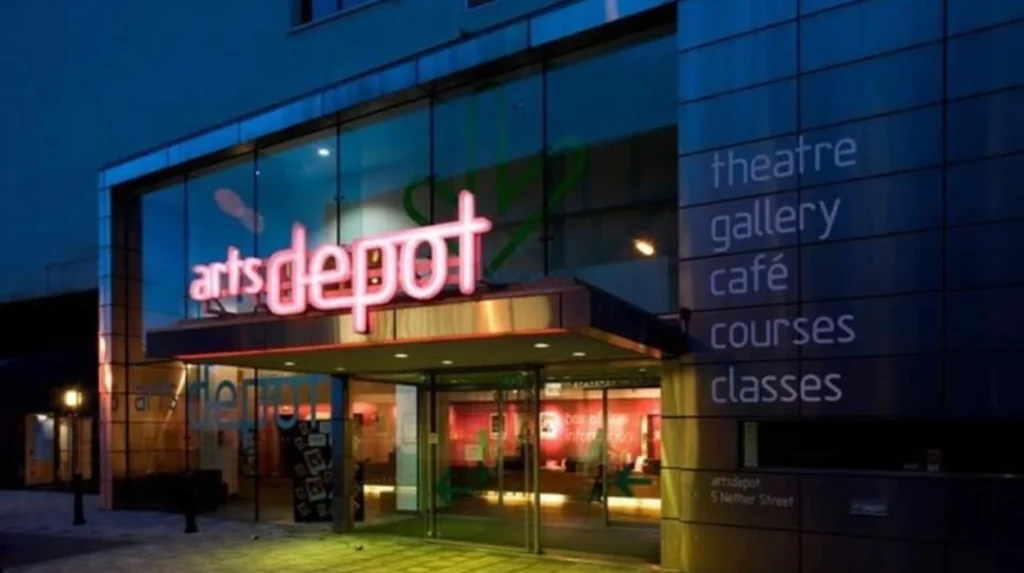
Barnet’s cultural infrastructure adds another layer. The council maintains a directory of 29 arts and culture venues, including organisations such as Artsdepot, Barnet Museum, Barnet Asian Women’s Association, Colindale Community Trust and Finchley Art Society.
How diverse are Barnet’s ethnic communities?
Barnet has a broad ethnic profile, with substantial Asian, Black, Mixed and Other ethnic populations alongside its White population. The 2021 Census recorded 19.3% Asian residents, 7.9% Black residents, 5.4% Mixed residents and 9.8% residents in Other ethnic groups.
The borough’s ethnic diversity is particularly important because high-level Census categories contain many different national, regional and cultural identities.
The Asian category includes residents identifying with different South Asian and East Asian backgrounds. Barnet also has established communities connected with India and other countries. The 2021 Census recorded India as one of the borough’s leading countries of birth, with just over 11,300 residents born there.
The Black population also forms an established part of Barnet’s community structure. The Black, Black British, Black Welsh, Caribbean or African category represented 7.9% of the borough population in the 2021 Census, compared with 7.7% in 2011.
Barnet’s Mixed or Multiple ethnic population represented 5.4% of residents in 2021. This category reflects people who identify with more than one ethnic background and demonstrates the increasingly interconnected nature of London’s population.
The Other ethnic groups category recorded particularly strong growth. ONS data shows that 9.8% of Barnet residents were in this broad category in 2021, compared with 4.9% in 2011. The increase included residents identifying as Arab or another ethnic background.
This means Barnet’s cultural landscape extends well beyond a simple division between a historic local population and newer communities. Its demographic structure includes multiple generations, international backgrounds and mixed identities.
Which religions and faith communities are represented in Barnet?
Barnet contains several major religious traditions, with Christianity, Judaism, Islam and Hinduism among the largest affiliations recorded in the 2021 Census. The borough also includes Buddhist, Sikh and other faith communities, alongside residents identifying with no religion.
Religion is an important component of Barnet’s multicultural identity. The 2021 Census recorded Christianity as the largest religious affiliation at 36.6% of residents. Judaism accounted for 14.5%, Islam for 12.2%, Hinduism for 5.7%, Buddhism for 1.1% and Sikhism for 0.4%. A further 1.3% identified with another religion, while 20.2% reported no religion.
Barnet has a particularly significant Jewish community. The 14.5% Jewish affiliation recorded in 2021 was substantially higher than the London figure of 1.7% and the England figure of 0.5%.
Jewish cultural life is particularly visible in areas such as Golders Green and surrounding parts of the borough. Synagogues, community organisations, schools, shops and food businesses contribute to the local cultural environment.
Muslim communities also form a substantial part of Barnet’s population. The proportion identifying as Muslim increased from 10.3% in 2011 to 12.2% in 2021. Hindu residents represented 5.7% of the borough in 2021.
Barnet also has a formal multi-faith structure. The Barnet Multi Faith Forum brings representatives from different faith communities together and works with Barnet Council, Middlesex University and other partners. Its role includes supporting dialogue, social action, volunteering and civic participation.
This faith diversity contributes to the borough’s calendar, community networks and public life.
Which languages are spoken across Barnet?
Barnet is linguistically diverse, with at least 88 languages recorded across the borough in local analysis of the 2021 Census. English remains the dominant main language, while international languages reflect migration, family heritage and established cultural communities.
Language provides another measurable indicator of cultural diversity.
Barnet’s local demographic analysis identified at least 88 languages spoken across the borough, including English. English was the main language for 77.1% of residents covered by the relevant Census analysis.
The presence of dozens of languages reflects the borough’s international population. Language diversity supports cultural transmission within families and communities. It also influences schools, libraries, community organisations, businesses and public services.
The 2021 Census recorded Romania as one of Barnet’s leading foreign countries of birth. More than 13,400 Barnet residents reported Romania as their country of birth, representing 3.4% of the population. This was a substantial increase from approximately 4,500 residents in 2011.
Iran also became an increasingly significant country of birth. The proportion of residents born in Iran increased from 2.0% in 2011 to 2.9% in 2021. India remained another major international connection, accounting for 2.9% of residents by country of birth in 2021.
For visitors, this linguistic diversity is often visible in local businesses, community centres, cultural programmes and places of worship.
Libraries also provide an accessible entry point into Barnet’s multilingual community life. The council’s Creative Communities programme includes book clubs, conversation clubs, digital skills workshops, games clubs and children’s activities.
How has migration shaped Barnet’s community identity?
Migration has significantly shaped Barnet’s modern population, with residents born in Romania, India, Iran and other countries forming important parts of the borough. International migration has strengthened linguistic, religious, commercial and cultural connections across North London.
Barnet’s migration profile demonstrates that cultural diversity is an evolving process.
The 2021 Census recorded approximately 215,800 residents born in England, representing 55.4% of the local population. This was lower proportionally than the 59.3% recorded in 2011.
The change occurred alongside growth in several overseas-born populations. Romania recorded one of the most significant increases, rising from 1.3% of Barnet’s population in 2011 to 3.4% in 2021.
Iran increased from 2.0% to 2.9%, while residents born in India represented 2.9% of the borough population in 2021.
Migration affects community life through more than population numbers. New residents establish businesses, join existing organisations, create cultural groups, participate in schools and contribute to local events.
This creates a layered community structure. Older institutions remain part of Barnet’s identity while newer organisations add additional languages, cuisines, religious practices and cultural activities.
For tourists, this makes Barnet different from a single-theme destination. Cultural experiences are distributed across neighbourhoods rather than concentrated in one central attraction.
For residents and business travellers, community facilities provide practical ways to encounter this diversity. Libraries, arts venues, community centres and public events provide accessible spaces for participation.
Barnet’s Connecting Communities programme is designed around this principle. The council describes the programme as a way of highlighting activities organised by residents and community groups across different ages, faiths and interests.
Which Barnet neighbourhoods demonstrate cultural diversity?
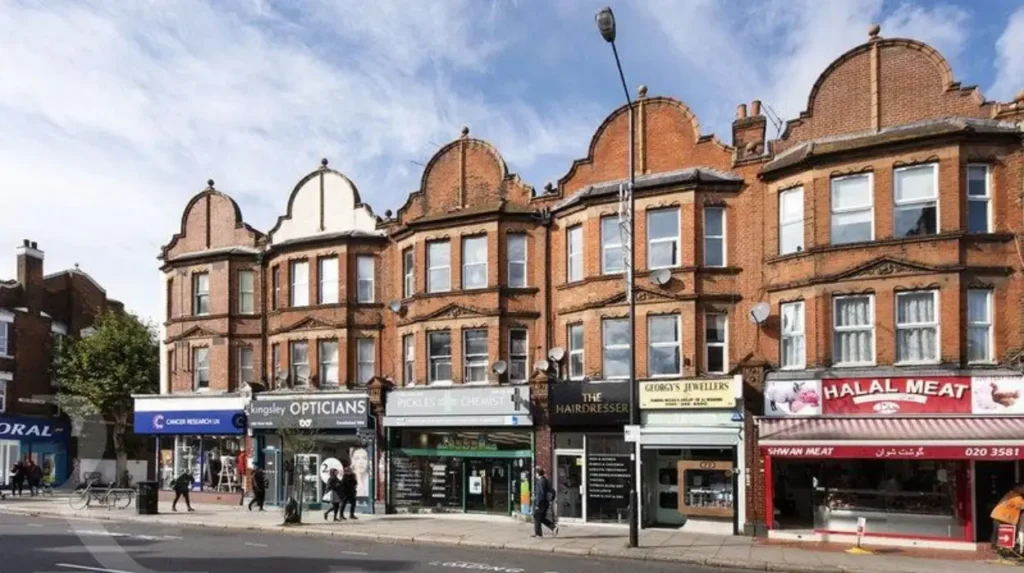
Cultural diversity is distributed across Barnet rather than concentrated in one location. Golders Green, Hendon, Edgware, Burnt Oak, Colindale, Finchley and other neighbourhoods each contribute distinct demographic, commercial, religious and community characteristics.
Barnet contains a large number of neighbourhoods with different historical and demographic profiles. This creates a varied cultural geography.
Golders Green is strongly associated with Jewish community life and contains religious, educational, commercial and food-related institutions serving local communities.
Hendon and surrounding areas also contain a mixture of religious and ethnic communities. The area connects residential neighbourhoods with commercial centres and community organisations.
Edgware provides another important example of cultural diversity. Its population includes residents from different ethnic and religious backgrounds, reflected in local shops, restaurants, places of worship and community facilities.
Burnt Oak and Colindale also demonstrate significant demographic change. Historical Census data shows differences between Barnet wards, with Colindale and Burnt Oak recording substantial Asian and Black populations in earlier Census analysis.
Colindale has experienced substantial regeneration and population growth, adding another dimension to its community identity.
Finchley contains a combination of established residential communities, cultural organisations, independent businesses and arts facilities. Artsdepot in North Finchley is one of the borough’s major multi-arts venues and provides theatre, dance, music, visual arts and community activities.
High Barnet provides a different cultural setting, with historic streets, local heritage institutions and community activities.
The borough therefore has no single definition of cultural identity. Each neighbourhood contributes its own combination of history, population, commerce, faith, arts and community activity.
How do arts and cultural venues support Barnet’s diverse community?
Barnet’s cultural infrastructure includes theatres, museums, arts organisations, music groups, libraries, heritage venues and community organisations. These spaces provide practical platforms for creative participation, cultural education, performances, exhibitions, workshops and community interaction.
Arts and culture provide one of the clearest ways to experience Barnet’s diversity.
Barnet Council’s cultural directory currently lists 29 arts and culture venues. The directory includes Artsdepot, Barnet Museum, community organisations, music groups, theatre organisations, heritage sites and museums.
Artsdepot is particularly significant because it operates as a multi-arts venue. Its programme connects different artistic forms and provides a cultural destination within North London.
Barnet Museum provides another perspective by focusing on local heritage. It preserves and presents material connected with the borough’s past and provides context for understanding how Barnet developed.
The Royal Air Force Museum in Colindale adds an international dimension. Established in 1972, the museum holds approximately 1.3 million objects in trust for the UK public and explores aviation, technology, military history and social change.
Barnet’s cultural offer also includes public art. The Barnet Legends public art trail contains 21 commemorative ceramic artworks celebrating influential figures connected with the borough, including George Michael and Amy Winehouse.
These venues demonstrate that culture in Barnet is broader than ethnic festivals. It includes heritage, contemporary arts, public art, music, performance, education and creative participation.
The council’s Culture Strategy 2024 to 2029 identifies six priorities: involvement, infrastructure, interconnection, identity, inspiration and influence. The strategy aims to strengthen participation, cultural infrastructure and the borough’s identity as a cultural destination.
What cultural events celebrate Barnet’s different communities?
Barnet hosts community events representing different identities, traditions and social groups. Its programme includes Pride, Black History Month, South Asian Heritage Month, Windrush Day, Refugee Week, International Women’s Day and winter festivals across the borough.
Public events provide direct opportunities to experience Barnet’s community diversity.
Barnet Council’s Connecting Communities programme brings together recurring events that recognise different cultural and social groups. These include Pride, Black History Month, South Asian Heritage Month, Windrush Day, Refugee Week, International Women’s Day and winter festivals.
Black History Month provides a platform for learning about Black history, culture and contributions. Windrush Day recognises the legacy of the Windrush generation and its importance to modern Britain.
South Asian Heritage Month provides opportunities to explore South Asian history, culture, literature, music and community life.
Refugee Week focuses attention on refugee experiences and community participation. International Women’s Day provides another programme focused on social contribution and equality.
Pride represents LGBTQ+ community participation within Barnet’s wider cultural programme.
Winter festivals provide opportunities for communities to celebrate seasonal traditions through workshops, performances and talks.
These events are important because they create shared public spaces. They also allow visitors to encounter local communities through organised cultural activity rather than relying solely on demographic statistics.
Barnet’s library service adds another year-round layer. Creative Communities activities include digital skills workshops, book clubs, conversation clubs, story sessions and games clubs. Many activities are free or low cost.
How does Barnet’s history influence its modern multicultural identity?
Barnet’s modern diversity is connected to a long history of settlement, commerce, migration, religion, transport, aviation and suburban development. Historic places and community institutions provide the background for understanding how the borough developed its present-day cultural identity.
Barnet’s cultural diversity is not separate from its history. The borough’s current neighbourhoods developed through successive periods of urbanisation, migration and social change.
Barnet Museum provides a local historical record, covering subjects ranging from medieval events to more recent artistic and community traditions.
The Royal Air Force Museum in Colindale demonstrates another historical layer. Its collections connect Barnet with the history of aviation, military technology and international conflict.
The borough also contains historic neighbourhoods and long-established religious and community institutions. These organisations provide continuity while newer communities contribute additional cultural identities.
Understanding this background helps explain why different parts of Barnet have distinct characters.
As you explore the modern borough, you are crossing places shaped by centuries of settlement and social change. Read about the full to understand its origins.
History therefore functions as an important part of cultural interpretation. It explains the physical environment in which current communities live, work, worship and participate.
The connection between history and modern culture is particularly relevant to visitors. A cultural itinerary that combines Barnet Museum, local neighbourhoods, public art and contemporary cultural venues provides a broader understanding than a single attraction alone.
How do community organisations strengthen cultural connections in Barnet?
Community organisations connect residents through faith, age, ethnicity, arts, volunteering, education and shared interests. Barnet’s Connecting Communities programme and Multi Faith Forum demonstrate how organised participation supports interaction between different groups.
Community organisations form an essential part of Barnet’s cultural infrastructure.
Barnet Council reports that 85% of residents in its Resident Perception Survey agreed that people from different backgrounds get on well together. The council links this social connection with activities delivered by local organisations and residents.
This finding provides an important measure of community cohesion. It does not suggest that every resident has identical experiences. It indicates that a large majority of surveyed residents recognised positive relationships between different backgrounds.
The Barnet Multi Faith Forum provides a structured example. It brings representatives from different faith traditions together and promotes dialogue, social action, volunteering and civic responsibility.
Other organisations focus on specific communities or interests. The council’s cultural directory includes Barnet Asian Women’s Association, Colindale Community Trust, Community Focus Inclusive Arts and numerous music and arts organisations.
These groups provide practical routes into community life.
For residents, they support participation and social connection. For visitors, they help identify cultural activities beyond major tourist attractions. For digital nomads and business travellers, libraries, community venues and arts spaces provide additional places for daytime activities and local engagement.
This network also supports cultural resilience. Community traditions are maintained through regular activities rather than only through occasional festivals.
Why is Barnet’s cultural diversity important for visitors and residents?
Barnet’s diversity creates a broad cultural offer combining international communities, faith traditions, languages, food, arts, heritage, public events and community organisations. This makes cultural exploration possible across multiple neighbourhoods rather than one central destination.
Barnet’s cultural diversity has practical significance for tourism, leisure and everyday community life.
Visitors can explore museums, public art, performance venues, libraries, neighbourhood centres, cultural events and heritage sites. The borough’s 200-plus parks and open spaces also provide settings for community activities and leisure.
Food is another visible expression of cultural diversity. International communities support restaurants, cafés, specialist food shops and markets serving different culinary traditions. These businesses contribute to the commercial identity of neighbourhood centres.
Faith communities add another layer through religious buildings, cultural education and community events.
Arts venues provide structured cultural experiences. Artsdepot, Barnet Museum and the Royal Air Force Museum offer different forms of cultural engagement, from contemporary performance to local history and international aviation heritage.
Community programmes provide another route. Connecting Communities includes events throughout the year that recognise different cultural and social groups.
For residents, diversity provides access to a wide network of organisations and activities. For tourists, it creates opportunities to understand North London through neighbourhood-level experiences.
For domestic business travellers, Barnet offers cultural activities that fit around daytime commitments. Libraries, arts venues, museums, parks and local cultural events provide structured downtime.
For digital nomads, community spaces and libraries offer additional opportunities for working, learning and social participation, subject to individual venue facilities and opening arrangements.
Explore More Area Guide
Why Barnet is a Top Place to Live in North London 2026
Barnet Conservation Areas Protect Historic Heritage | Barnet 2026
How is Barnet’s culture expected to develop in the future?
Barnet’s cultural development is guided by its 2024–2029 Culture Strategy, which prioritises participation, infrastructure, connection, identity, inspiration and influence. The strategy positions culture as a long-term part of community development and the borough’s visitor offer.
Barnet’s future cultural direction is formally set out in its Culture Strategy 2024 to 2029.
The strategy was developed with local communities and focuses on strengthening the borough’s creative and cultural sector. Its six priorities are involvement, infrastructure, interconnection, identity, inspiration and influence.
Involvement focuses on increasing participation in cultural activity. Infrastructure addresses the spaces and facilities required for cultural production and engagement. Interconnection treats culture as a connector between people and places.
Identity focuses on strengthening Barnet’s position as a cultural destination. Inspiration supports cultural education and engagement with young people. Influence recognises the wider role of culture across services and industries.
The council’s Art in Barnet campaign, launched in April 2025, also highlights the borough’s creative landscape. The programme covers theatre, film, music, parks and leisure, history, heritage and public art.
This direction supports a broader definition of culture. Cultural identity is not restricted to major museums or festivals. It includes local artists, community groups, libraries, public spaces, heritage, performances and everyday participation.
Barnet’s demographic data also indicates continued population diversity. The 2021 Census recorded substantial ethnic, religious, linguistic and migration differences across the borough.
The long-term cultural picture is therefore based on both established institutions and changing communities.
What is the overall picture of Barnet’s cultural diversity?
Barnet is highly diverse by London standards, combining multiple ethnic groups, religions, languages, migration histories and cultural institutions. Its identity is distributed across neighbourhoods and strengthened by community organisations, arts venues, heritage sites and public events.
The evidence shows that Barnet has a genuinely multicultural community structure.
The 2021 Census recorded 57.7% White residents, 19.3% Asian residents, 7.9% Black residents, 5.4% Mixed or Multiple ethnic groups and 9.8% Other ethnic groups.
Religious diversity is equally significant. Christianity represented 36.6% of residents, Judaism 14.5%, Islam 12.2% and Hinduism 5.7%. A further 20.2% reported no religion.
The borough also has substantial international connections. Romania, India and Iran were among the leading countries of birth outside England recorded in the 2021 Census profile.
At least 88 languages are represented in local Census analysis, demonstrating the breadth of linguistic diversity.
Cultural participation reinforces these demographic statistics. Barnet has a network of arts organisations, museums, theatres, community groups and cultural venues. Its annual programme recognises Black history, South Asian heritage, Windrush, refugees, Pride, women’s participation and winter traditions.
The borough’s Culture Strategy 2024 to 2029 provides a formal framework for continuing this development.
For visitors, the result is a cultural landscape that extends across North London. Exploring Barnet through its neighbourhoods, community organisations, arts venues, heritage attractions, religious communities and public events provides a detailed understanding of its multicultural identity.
Barnet’s diversity is therefore demographic, religious, linguistic, historical, artistic and community-based. That combination explains why the borough occupies an important cultural position within North London.
How culturally diverse is Barnet?
Barnet is one of North London’s most culturally diverse boroughs. The 2021 Census recorded residents from White, Asian, Black, Mixed and Other ethnic groups, alongside diverse religious, linguistic and international communities.