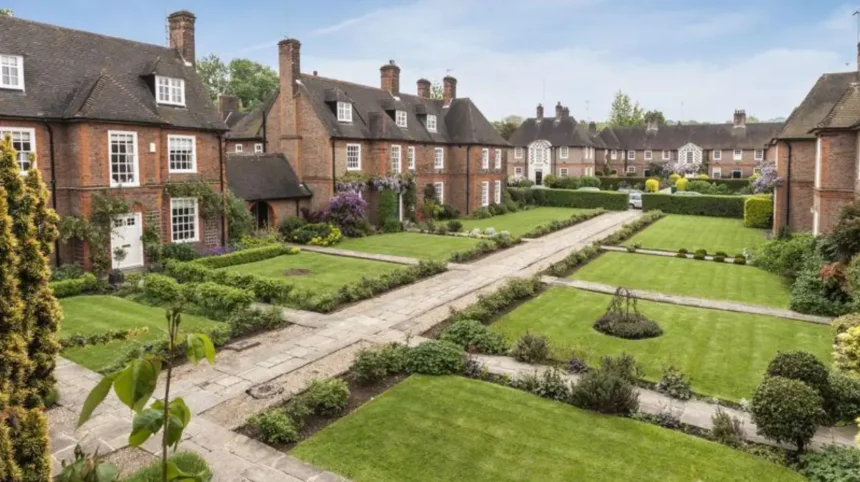
Barnet’s conservation areas protect historic neighbourhoods, architectural character, and important landscapes across the London Borough of Barnet. These designated areas preserve places with special architectural or historic interest through planning controls, character appraisals, and heritage management policies.
- What Are Conservation Areas in Barnet and Why Are They Important?
- How Many Conservation Areas Does Barnet Have?
- Which Historic Neighbourhoods Are Protected in Barnet?
- Monken Hadley Conservation Area
- Totteridge Conservation Area
- Hampstead Garden Suburb Conservation Area
- Mill Hill Conservation Area
- Hendon Church End and Hendon The Burroughs
- How Does Barnet Protect Buildings and Streets Inside Conservation Areas?
What Are Conservation Areas in Barnet and Why Are They Important?
Conservation areas in Barnet are protected locations with special architectural or historic interest where the council manages development to preserve and enhance local character. They safeguard historic buildings, streetscapes, landscapes, and community identity.
A conservation area is a legally recognised designation created under the Planning (Listed Buildings and Conservation Areas) Act 1990. The designation focuses on the overall character of an area rather than protecting only individual buildings. It covers the relationship between buildings, streets, gardens, trees, open spaces, and historic layouts.
The London Borough of Barnet contains a significant collection of historic environments shaped by medieval settlements, Victorian expansion, suburban development, and planned garden communities. Barnet Council identifies conservation areas as places where architectural and historic qualities require special management.
Barnet’s conservation areas include historic villages, residential neighbourhoods, railway developments, and planned suburban estates. These areas demonstrate different stages of London’s growth, from ancient settlements such as Monken Hadley and Totteridge to twentieth-century developments such as the Watling Estate.
As visitors explore these preserved neighbourhoods, they encounter landscapes shaped by centuries of change. Understanding the background behind these places helps explain why they remain protected today. Explore the full [Insert Anchor Text for History Article Here] to understand the origins and evolution of Barnet’s historic communities.
Conservation status does not freeze an area in time. It allows appropriate change while ensuring that new development respects existing heritage value. Planning decisions consider building materials, architectural details, historic boundaries, and the wider visual character of streets.
Barnet’s conservation approach supports tourism, local identity, environmental quality, and sustainable development. Historic neighbourhoods provide visitors with opportunities to experience authentic London landscapes beyond major landmarks.
How Many Conservation Areas Does Barnet Have?
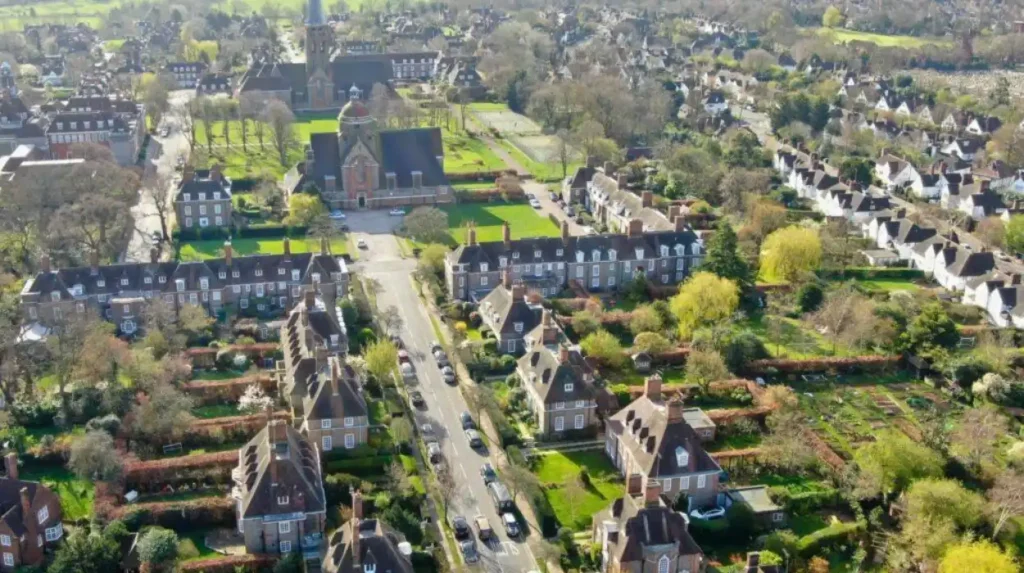
Barnet has 16 designated conservation areas covering historic villages, suburban developments, garden estates, and architectural neighbourhoods across the borough. These areas represent different periods of local history and urban development.
The London Borough of Barnet recognises 16 conservation areas that require protection because of their architectural or historic significance. These include:
- College Farm
- Finchley Church End
- Finchley Garden Village
- Glenhill Close
- Golders Green
- Hampstead Garden Suburb
- Hampstead Village (Heath Passage)
- Hendon Church End
- Hendon The Burroughs
- Mill Hill
- Monken Hadley
- Moss Hall Crescent
- Railway Terraces
- Totteridge
- Watling Estate
- Wood Street
Each conservation area has its own character appraisal. These documents explain the historical importance, architectural features, building styles, landscape qualities, and planning considerations for each location.
Barnet’s conservation areas are distributed across different parts of the borough. Northern areas such as Monken Hadley, Totteridge, and Mill Hill contain historic village environments with rural connections. Southern areas such as Hampstead Garden Suburb and Golders Green reflect planned suburban growth.
The diversity of these conservation areas makes Barnet an important heritage destination in North London. Visitors can explore medieval routes, Victorian housing, early twentieth-century garden suburb planning, and interwar estates within one borough.
The conservation system also supports residents by maintaining attractive streets, protecting important trees, and controlling changes that affect historic character.
Explore More Area Guide
Barnet Public Art: Sculptures, Murals and Art Trails 2026
Barnet Urban Growth and History: North London 2026
Which Historic Neighbourhoods Are Protected in Barnet?
Barnet protects historic neighbourhoods including Monken Hadley, Totteridge, Hampstead Garden Suburb, Mill Hill, Hendon Church End, and the Watling Estate because they contain significant architectural and historical features.
Monken Hadley Conservation Area
Monken Hadley is one of Barnet’s oldest settlements. The area developed around historic village routes, open landscapes, and traditional buildings. Its character includes historic cottages, mature trees, village greens, and connections to agricultural history.
The area is closely associated with the Battle of Barnet in 1471, one of the major conflicts of the Wars of the Roses. The battlefield is recognised as an important heritage site in the borough.
Monken Hadley demonstrates how medieval settlement patterns continue to influence modern landscapes.
Totteridge Conservation Area
Totteridge preserves a village character within modern London. The area contains historic lanes, detached houses, woodland features, and open spaces.
The conservation area protects the relationship between buildings and landscape. Mature trees, historic boundaries, and low-density development contribute to its distinctive appearance.
Totteridge represents the transformation of former rural settlements into suburban communities while maintaining historic qualities.
Hampstead Garden Suburb Conservation Area
Hampstead Garden Suburb is one of Barnet’s most internationally recognised heritage areas. Designed from 1907 onwards, it was developed as a planned residential community influenced by garden city principles.
The suburb contains architectural designs by notable architects including Edwin Lutyens. Its layout combines houses, gardens, communal spaces, and landscape planning.
Barnet Council divides Hampstead Garden Suburb into multiple character areas because of its extensive historic environment. These include the Central Square, Artisans’ Quarter, Temple Fortune Lane area, and other distinctive sections.
Mill Hill Conservation Area
Mill Hill contains historic buildings, village streets, and landscape features connected with its long rural history.
The conservation area protects architectural details and historic development patterns. Article 4 Directions apply in parts of Mill Hill, restricting certain changes that normally do not require planning permission.
Hendon Church End and Hendon The Burroughs
Hendon’s conservation areas preserve historic centres connected with the development of Hendon as a settlement.
Hendon Church End contains historic buildings around the former village centre. Hendon The Burroughs reflects the area’s civic and residential development.
Both locations demonstrate how historic villages expanded into modern suburban districts while retaining important heritage features.
How Does Barnet Protect Buildings and Streets Inside Conservation Areas?
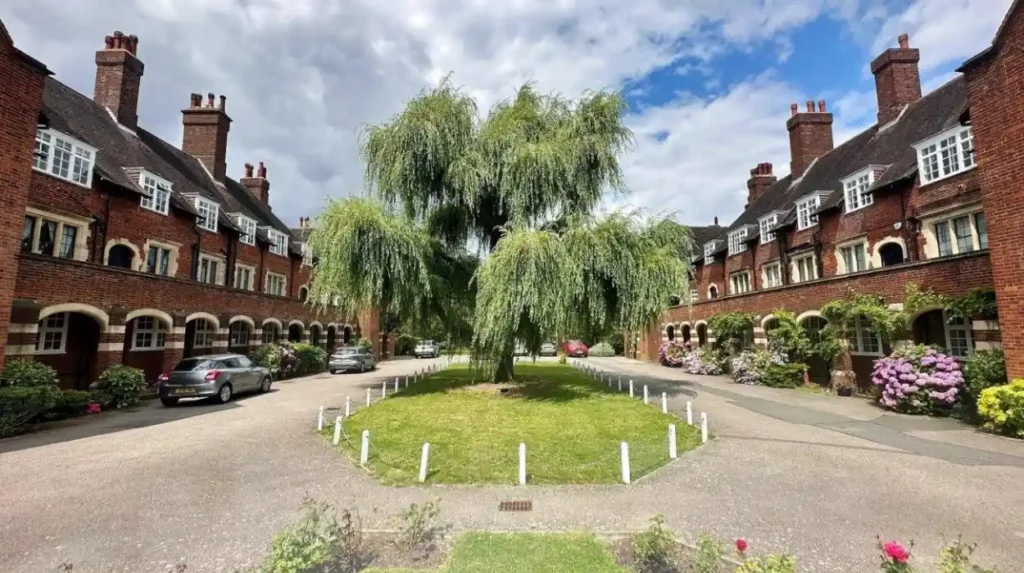
Barnet protects conservation areas through planning controls, character appraisals, tree protection rules, and restrictions on certain building alterations that affect historic appearance.
Conservation area protection operates through the planning system. Property owners must consider additional requirements when making changes that affect external appearance.
Important controls include:
- Protection of historic buildings
- Management of demolition proposals
- Control of major alterations
- Protection of important trees
- Design consideration for new developments
Trees receive additional protection because mature landscapes contribute strongly to conservation area character. Carrying out works to protected trees without permission is an offence.
Barnet also uses Article 4 Directions in selected areas. These directions remove specific permitted development rights, meaning certain alterations require planning permission.
Examples include changes to:
- Roof structures
- Windows
- Doors
- External walls
- Boundaries
Article 4 controls ensure that small individual changes do not gradually damage the historic appearance of an area.
The planning process balances heritage protection with modern needs. Conservation areas continue to support homes, businesses, community facilities, and visitor activities.
What are conservation areas in Barnet?
Conservation areas in Barnet are officially designated places with special architectural or historic interest that receive additional planning protection. They preserve historic buildings, streets, landscapes, trees, and the overall character of important neighbourhoods across the London Borough of Barnet.