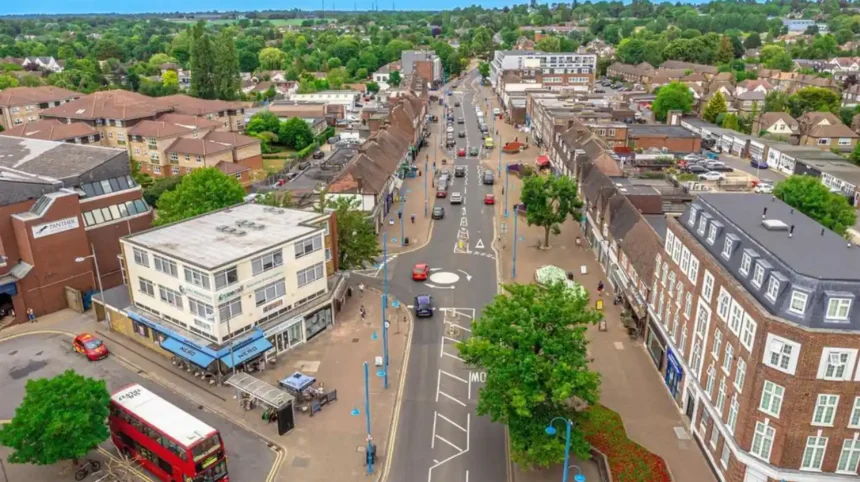
Barnet is one of London’s largest northern boroughs and has a strong public transport network linking residential neighbourhoods with Central London. The main transport corridors include the Northern line, Thameslink, Great Northern rail services and extensive bus routes. These connections serve commuters, visitors, students, business travellers and residents travelling into the capital.
- Which Barnet areas have the strongest connections to Central London?
- Is Finchley one of the best-connected areas in Barnet?
- Is High Barnet well connected to Central London?
- Is Totteridge and Whetstone convenient for Central London travel?
- Is Woodside Park a good area for commuting into London?
- Is West Finchley well connected to Central London?
- Is Hendon one of the fastest-connected Barnet areas?
- Is Mill Hill well connected to Central London?
- Is Brent Cross well connected to Central London?
- Is New Barnet a good choice for Central London transport?
- Is Oakleigh Park well connected to Central London?
- Is East Finchley convenient for Central London?
- Which Barnet areas are best for the City of London?
- Which Barnet areas are best for the West End?
- How should you compare Barnet neighbourhoods by transport accessibility?
- How does Barnet’s transport network affect future connectivity?
- Which Barnet area is best connected to Central London overall?
Barnet’s transport geography is shaped by its north-south rail corridors. The Northern line provides direct Underground access from areas including High Barnet, Totteridge and Whetstone, Woodside Park, West Finchley, Finchley Central and East Finchley. Thameslink provides fast rail connections from Hendon, Mill Hill Broadway and Brent Cross West towards central destinations. Great Northern serves New Barnet, Oakleigh Park and Hadley Wood, with direct trains towards central London rail terminals and the City.
The best-connected Barnet areas depend on the part of Central London being reached. A neighbourhood with a fast route to King’s Cross or Euston is not necessarily the most convenient location for journeys to the City, Westminster or the West End. Transport mode, walking distance to a station, interchange requirements and service frequency all affect practical journey times.
Barnet Council’s current Transport Strategy covers the period from 2025 to 2042. It focuses on an integrated transport network, improved accessibility, safer travel, sustainable transport and better interchange between different modes.
Which Barnet areas have the strongest connections to Central London?
The strongest-connected Barnet areas sit close to the Northern line, Thameslink or Great Northern stations. Finchley, High Barnet, Totteridge and Whetstone, Hendon, Mill Hill, New Barnet and Brent Cross provide particularly strong links into Central London.
Transport accessibility across Barnet is not evenly distributed. The borough has a large geographical area, so proximity to a station creates a major difference in daily travel convenience.
The Northern line forms the most important Underground corridor through eastern and central parts of Barnet. It serves High Barnet, Totteridge and Whetstone, Woodside Park, West Finchley, Finchley Central and East Finchley before continuing towards Highgate, Archway, Kentish Town, Camden Town, Euston and Central London.
The western side has a different transport advantage. Thameslink stations at Hendon, Mill Hill Broadway and Brent Cross West provide rail access towards St Pancras, Farringdon and other central destinations. Barnet Council’s economic evidence identifies Thameslink as providing fast connections from Hendon and Mill Hill Broadway, with journey times of around 15–20 minutes to central London destinations including King’s Cross, Farringdon and London Bridge.
The eastern and north-eastern parts of the borough benefit from Great Northern services. New Barnet, Oakleigh Park and Hadley Wood are positioned on the rail corridor towards Moorgate and King’s Cross. New Barnet also has both Great Northern and Thameslink services listed through TfL’s station information.
For most visitors, commuters and short-term business travellers, station proximity is more important than the neighbourhood name itself. A property or hotel within a short walk of a major station offers a substantially simpler journey than a location requiring a feeder bus before reaching the main rail network.
Is Finchley one of the best-connected areas in Barnet?
Finchley is one of Barnet’s strongest-connected areas because several neighbourhoods sit directly on the Northern line. Finchley Central, West Finchley and East Finchley provide direct Underground routes towards Camden, Euston, King’s Cross, Tottenham Court Road and other central destinations.
Finchley benefits from a sequence of Northern line stations rather than relying on one transport hub. This creates several access points across the area.
Finchley Central is particularly useful for journeys towards Central London because it provides direct Northern line services. West Finchley and East Finchley provide additional stations for residents in surrounding neighbourhoods.
TfL’s published Northern line timetable shows a southbound sequence from High Barnet through Totteridge and Whetstone, Woodside Park, West Finchley, Finchley Central and East Finchley. The route then continues through Highgate, Archway, Tufnell Park, Kentish Town and Camden Town before reaching Euston and King’s Cross St Pancras.
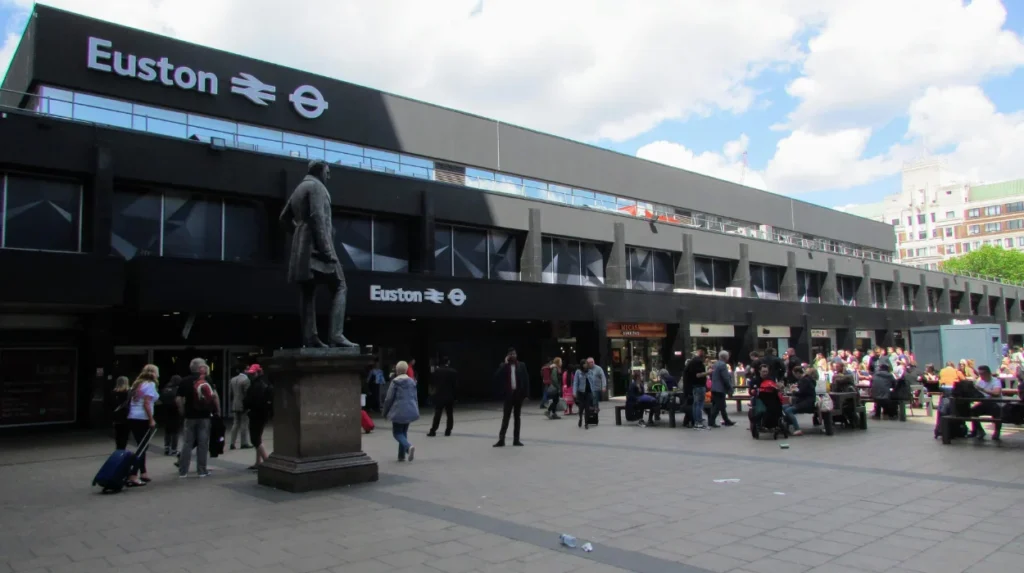
This makes Finchley particularly practical for visitors heading to northern Central London destinations. Euston provides interchange with the Victoria line and National Rail, while King’s Cross St Pancras provides access to several Underground lines and major national rail services.
Finchley also has extensive bus connections. These are important for areas located away from the Underground stations and for local journeys that do not justify travelling into Central London first.
The main advantage is directness. A traveller does not need to change trains simply to reach major Central London locations on or near the Northern line.
Is High Barnet well connected to Central London?
High Barnet has a direct Northern line connection to Central London and benefits from its position at the northern end of the Barnet branch. Direct trains serve Euston, King’s Cross St Pancras, Camden Town and other major central destinations without requiring an interchange.
High Barnet is one of the clearest choices for direct Underground travel within the borough. High Barnet Underground station sits on the Northern line’s High Barnet branch.
TfL timetable information demonstrates the direct sequence between High Barnet and Central London. A published service from High Barnet reaches Euston after stops including Totteridge and Whetstone, Woodside Park, West Finchley, Finchley Central, East Finchley, Highgate, Archway, Tufnell Park, Kentish Town and Camden Town.
Another TfL timetable shows High Barnet services continuing through Euston and King’s Cross St Pancras.
This direct connection is important for travellers who prioritise a simple route over maximum rail speed. The journey remains on the same Underground service for major destinations in northern and central London.
High Barnet also has a substantial local town centre. This means transport access combines with shops, services, restaurants and other facilities within the surrounding area.
The limitation is distance. High Barnet is near the northern edge of the borough, so journeys to southern parts of Central London take longer than equivalent journeys from Finchley or East Finchley.
Even so, the absence of an interchange is a major advantage for travellers heading to Euston, Camden, King’s Cross and locations served by the Northern line.
As you explore modern High Barnet, you are crossing land with a deep heritage. Read about the full to understand its origins.
Is Totteridge and Whetstone convenient for Central London travel?
Totteridge and Whetstone is highly convenient for Central London because its Underground station sits on the Northern line in Travelcard Zone 4. Direct services connect the area with Euston, Camden Town, King’s Cross, Tottenham Court Road and the City.
Totteridge and Whetstone combines suburban residential surroundings with direct Underground access. Its Northern line station provides a central transport spine for Whetstone, Totteridge and nearby parts of North London.
Barnet Council transport documentation identifies the station as providing direct connections towards the West End and the City. The station is in Zone 4.
TfL’s Northern line timetable places Totteridge and Whetstone immediately south of High Barnet. A sample service shows High Barnet departing at 06:48, Totteridge and Whetstone at 06:51 and Woodside Park at 06:54.
This positioning provides a useful balance between suburban living and Central London access. Travellers can board northbound trains towards High Barnet or southbound trains towards central destinations.
The area is especially relevant for people who need reliable access to Euston, Camden, King’s Cross or the West End. Tottenham Court Road is also directly served by the Charing Cross branch of the Northern line.
For visitors, the station provides access to Central London without requiring a separate rail-to-Underground transfer.
Is Woodside Park a good area for commuting into London?
Woodside Park is a strong commuting location because it has a Northern line Underground station with direct southbound services. The station connects residents and visitors with Camden, Euston, Tottenham Court Road, Bank and other major Central London destinations.
Woodside Park sits between Totteridge and Whetstone and West Finchley on the Northern line. Its location gives it direct access to both the High Barnet branch and Central London.
TfL information confirms that Woodside Park has Northern line services towards Morden and Battersea Power Station, while northbound services operate towards High Barnet.
The station also benefits from a straightforward route towards the West End. Services through Camden Town and Euston continue towards central destinations, while the Bank branch provides access to the City.
For digital nomads and business travellers, this direct Underground connection is useful because it removes the need for a separate train interchange on many journeys.
Woodside Park also has local bus connections and station facilities, including Wi-Fi, a car park, ticket facilities and cycle-related access.
Its practical advantage is therefore not simply the presence of a Tube station. The station is positioned within an established residential area with multiple local connections.
Is West Finchley well connected to Central London?
West Finchley is well connected because it sits directly on the Northern line between Woodside Park and Finchley Central. Direct trains provide access to Camden Town, Euston, King’s Cross, Tottenham Court Road and other major Central London destinations.
West Finchley is a compact transport-focused neighbourhood on the Northern line. Its station gives residents direct southbound access without requiring a change at Finchley Central.
TfL’s timetable places West Finchley immediately after Woodside Park and before Finchley Central on southbound services.
The station is particularly convenient for people living within walking distance. The transport benefit decreases as the distance from the station increases, so the exact location of accommodation or housing remains important.
West Finchley also sits close to North Finchley and the wider Finchley commercial area. Local buses expand the catchment around the Underground station.
For Central London travel, the key benefit remains the direct Northern line connection. Euston and King’s Cross are reachable without a train change, while Camden and the West End are served along the same corridor.
Is Hendon one of the fastest-connected Barnet areas?
Hendon is among Barnet’s strongest rail-connected areas because Thameslink provides fast services towards central London. Hendon also has a Northern line station at Hendon Central, giving the area access to two distinct rail-based transport corridors.
Hendon has an unusual advantage within Barnet because it combines mainline railway and Underground access.
Hendon railway station is on the Thameslink network. The railway route provides access towards central London and beyond. Hendon Central Underground station is on the Edgware branch of the Northern line.
Barnet Council’s economic evidence identifies Hendon as part of the western transport corridor served by Thameslink. It states that Thameslink stations at Hendon and Mill Hill Broadway provide fast connections of around 15–20 minutes to King’s Cross, Farringdon and London Bridge.
This makes Hendon particularly attractive for travellers whose destinations are close to major Thameslink stations.
Farringdon is especially significant because it is an important interchange between Thameslink and London’s wider rail network. King’s Cross St Pancras also provides access to national rail and multiple Underground lines.
Hendon Central adds another option. The Northern line connects the area to Brent Cross, Golders Green, Camden and Central London.
The combination of rail and Underground services gives Hendon strong route flexibility. If one route is less convenient for a particular destination, the alternative transport corridor provides another option.
Is Mill Hill well connected to Central London?
Mill Hill has strong transport connectivity through Mill Hill Broadway on Thameslink and Mill Hill East on the Northern line. The two stations serve different parts of the area and provide rail-based routes towards Central London and major interchange points.
Mill Hill is one of Barnet’s most geographically diverse transport areas because two different rail systems serve it.
Mill Hill Broadway is a Thameslink station on the western side of the area. Mill Hill East is a Northern line Underground station on the eastern side.
Barnet Council identifies Mill Hill Broadway as one of the borough’s Thameslink stations offering fast central London connections.
Mill Hill East provides Northern line access. The station connects with the wider High Barnet branch network, giving travellers a direct route towards Finchley, Highgate, Camden and Central London.
The distinction between the two stations is important. They are not interchangeable for every journey because they serve different parts of Mill Hill and different rail corridors.
Mill Hill Broadway is particularly useful for Thameslink destinations. Mill Hill East is useful for Northern line destinations.
This dual-network structure gives Mill Hill strong transport potential, but walking distance or a local bus journey to the appropriate station must be considered when comparing specific addresses.
Is Brent Cross well connected to Central London?
Brent Cross has strong transport connections through the Northern line and Brent Cross West station. Brent Cross Underground provides direct access to Central London, while Brent Cross West adds Thameslink services towards St Pancras, Farringdon and other destinations.
Brent Cross is one of the areas where London’s transport network has expanded through new infrastructure.
Brent Cross Underground station sits on the Northern line’s Edgware branch. The line provides direct access towards Golders Green, Hampstead, Camden Town and Central London.
Brent Cross West is a newer Thameslink station. It opened to passengers on 10 December 2023 as part of the Brent Cross Cricklewood regeneration programme. TfL documentation identifies it as a Zone 3 station serving the wider Brent Cross, Cricklewood and Dollis Hill area.
The station provides another rail option for people living and working around the Brent Cross development area.
The additional station is important because it increases transport choice rather than replacing the Underground. Thameslink and Northern line services serve different routes and destinations.
Brent Cross is therefore particularly relevant for travellers who want access to both the West End and central rail hubs.
Is New Barnet a good choice for Central London transport?
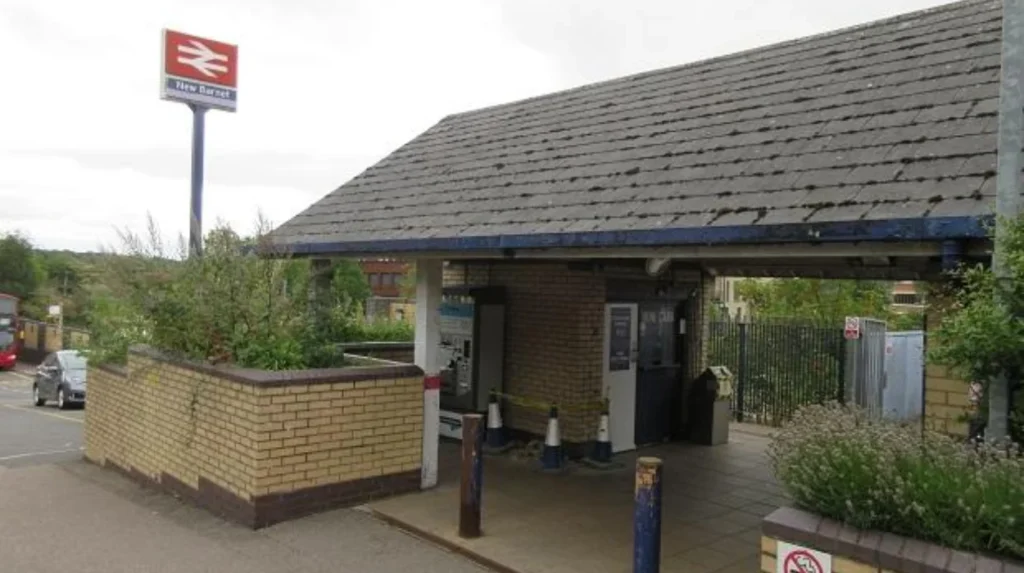
New Barnet is well connected through Great Northern and Thameslink services. Its railway station provides direct rail access towards central London, while nearby Northern line stations create additional options for journeys to the West End and other Central London districts.
New Barnet has historically developed around its railway infrastructure. Today, New Barnet station is served by Great Northern and Thameslink services according to TfL station information.
Great Northern provides direct services towards Moorgate and other central locations. Great Northern’s journey information lists an average journey duration of 29 minutes between New Barnet and Moorgate, with a fastest listed journey of 27 minutes.
This makes New Barnet particularly useful for City-bound journeys.
New Barnet also sits relatively close to High Barnet and the Northern line corridor. Local buses connect surrounding residential streets with Underground and railway stations.
The area’s transport advantage therefore comes from its combination of mainline rail and proximity to the Underground network.
For business travellers heading towards the City, Moorgate access is particularly relevant. For leisure visitors heading towards Camden, the West End or other Northern line destinations, nearby Underground connections offer an alternative route.
Is Oakleigh Park well connected to Central London?
Oakleigh Park offers a direct Great Northern rail connection towards Moorgate and central London. Its fastest published direct journey to Moorgate is 25 minutes, making it one of Barnet’s useful options for City-focused commuting.
Oakleigh Park is particularly valuable for journeys into the City of London. Great Northern publishes a fastest direct journey time of 25 minutes from Oakleigh Park to Moorgate, with an average journey duration of 29 minutes.
The service provides a different travel pattern from the Northern line. Instead of travelling through Camden and the West End, Great Northern trains approach central London through the mainline rail network.
This makes Oakleigh Park especially relevant for workers whose destinations are around Moorgate, Liverpool Street and the wider City.
The station is also useful for interchange-based journeys. Travellers can connect from central rail stations to other Underground and rail services depending on their final destination.
Oakleigh Park is therefore a strong choice when “Central London” means the City rather than the West End.
Is East Finchley convenient for Central London?
East Finchley is highly accessible to Central London through the Northern line. Its direct Underground connection reaches Highgate, Archway, Camden Town, Euston and King’s Cross before continuing into the wider central network.
East Finchley is one of the southernmost Barnet areas with a direct Northern line connection.
The station sits immediately north of Highgate and south of Finchley Central. TfL’s published sequence places East Finchley after Finchley Central and before Highgate on southbound services.
Its geographical position gives it a relatively short Underground journey compared with northern parts of Barnet.
East Finchley is particularly convenient for Camden, Euston and King’s Cross. It also provides access to the wider Northern line network without an interchange.
The area benefits from local buses that connect surrounding neighbourhoods with the station and nearby town centres.
For visitors, East Finchley offers a useful compromise between Barnet’s suburban environment and direct access to central attractions.
Which Barnet areas are best for the City of London?
Oakleigh Park, New Barnet, Hendon and Mill Hill are particularly strong for City journeys because Great Northern and Thameslink provide direct or fast rail access towards Moorgate, Farringdon and London Bridge.
The City of London has different transport requirements from the West End. A route designed around Leicester Square or Tottenham Court Road is not always the fastest option for Moorgate or Farringdon.
Oakleigh Park has a direct Great Northern route to Moorgate, with a fastest published journey of 25 minutes.
New Barnet also provides direct Great Northern services towards Moorgate. Thameslink services provide another rail option.
Hendon and Mill Hill Broadway have Thameslink connections. Barnet Council identifies their central London journey times at approximately 15–20 minutes to King’s Cross, Farringdon and London Bridge.
These routes are especially relevant to business travellers and commuters working in financial, professional and technology sectors concentrated in the City and around Farringdon.
Which Barnet areas are best for the West End?
Finchley, High Barnet, Totteridge and Whetstone, Woodside Park, West Finchley and East Finchley are particularly convenient for the West End because the Northern line provides direct services towards Tottenham Court Road, Leicester Square and Charing Cross.
The Northern line is the main advantage for West End travel from Barnet.
TfL’s route information demonstrates that High Barnet branch services pass through Camden Town, Euston and central Northern line stations before continuing towards the West End.
Tottenham Court Road is particularly important for leisure travellers because it sits close to Soho, Oxford Street, Covent Garden and major entertainment venues.
Leicester Square provides access to London’s theatre district and central visitor attractions. Charing Cross is also a major transport and cultural destination.
For visitors planning several Central London activities in one day, a direct Underground route reduces the number of required interchanges.
The northern Finchley and High Barnet corridor therefore remains one of the most practical choices for travellers prioritising central leisure destinations.
How should you compare Barnet neighbourhoods by transport accessibility?
Compare Barnet neighbourhoods by station walking distance, direct routes, destination, service frequency, interchange requirements and transport zones. The closest station is not always the fastest option because different rail corridors serve different parts of Central London.
Transport accessibility should be measured by the complete journey rather than station distance alone.
A useful comparison starts with the final destination. Euston and King’s Cross favour the Northern line. Moorgate favours Great Northern. Farringdon and London Bridge favour Thameslink.
The second factor is walking distance. A home or hotel located 10 minutes from a station has a different practical transport profile from one requiring a 25-minute walk and feeder bus.
The third factor is interchange. Direct services are generally simpler because they reduce the number of platforms, escalators and connections involved.
The fourth factor is service pattern. Rail and Underground timetables differ, and engineering works can affect individual routes. Thameslink itself advises passengers to check journey planners because published timetables can change because of planned or unplanned alterations.
The fifth factor is accessibility. Step-free access is important for wheelchair users, travellers with luggage, families with pushchairs and passengers with reduced mobility.
Barnet Council’s current transport strategy specifically identifies continued investment in step-free access at Barnet stations as an objective.
Explore More Area Guide
How to Get Around Barnet by Public Transport
Is Barnet Suitable for a Short London Break? Barnet 2026
How does Barnet’s transport network affect future connectivity?
Barnet’s transport network is continuing to evolve through station improvements, better interchange, bus investment, active travel infrastructure and major regeneration. Brent Cross West already adds Thameslink capacity, while Barnet’s 2025–2042 strategy sets longer-term connectivity priorities.
Barnet Council adopted its Transport Strategy 2025–2042 in July 2025. The strategy aims to create a safer, more accessible and integrated transport network across the borough.
The strategy includes continued investment in step-free access, improved bus reliability and frequency, coordinated cycling routes and further work on orbital transport connections.
Brent Cross West demonstrates the effect of major infrastructure investment. Its opening in December 2023 created a new Thameslink station within Zone 3 and strengthened the rail network serving the Brent Cross and wider regeneration area.
Barnet Council also identifies orbital connectivity as a continuing challenge. The borough has strong radial links into Central London, while journeys between different parts of Barnet can be less direct.
This distinction is important. A neighbourhood can have excellent Central London access while still having weaker connections to another Barnet neighbourhood.
Future transport planning therefore focuses not only on getting into Central London but also on improving connections within the borough.
Which Barnet area is best connected to Central London overall?
Finchley and the Northern line corridor offer the strongest all-round connectivity, while Hendon, Mill Hill, Brent Cross, New Barnet and Oakleigh Park provide powerful rail alternatives. The best area depends on whether the destination is the West End, City or major rail hub.
There is no single best-connected Barnet neighbourhood for every Central London journey.
For the West End, Northern line areas have the strongest direct access. Finchley Central, West Finchley, Woodside Park, Totteridge and Whetstone, High Barnet and East Finchley all provide direct Underground services towards central destinations.
For the City, Oakleigh Park and New Barnet stand out because of Great Northern services towards Moorgate. Oakleigh Park has a fastest published direct journey of 25 minutes to Moorgate.
For Farringdon and Thameslink destinations, Hendon, Mill Hill Broadway and Brent Cross West provide strong rail options.
For travellers who value route flexibility, Hendon and Brent Cross have particular advantages because their wider areas combine Underground and mainline rail options.
The most effective approach is therefore destination-led. Choose the neighbourhood according to the London district you visit most often, then assess the walking distance to the relevant station.
Barnet’s combination of Underground, Thameslink, Great Northern and bus services makes it one of North London’s better-connected boroughs for Central London travel. The transport network is strongest along the established rail corridors, while current transport investment continues to improve accessibility and interchange across the borough.
Which Barnet area is best connected to Central London?
Finchley, High Barnet, Hendon, Mill Hill, Brent Cross, New Barnet and Oakleigh Park are among the best-connected Barnet areas. Their transport networks include the Northern line, Thameslink and Great Northern rail services.