Key Points
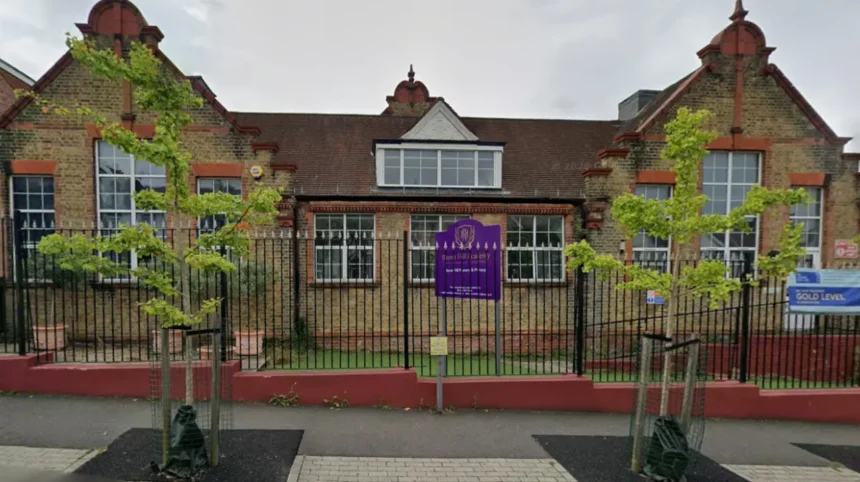
- Policy Mandate: Barnet Hill Academy, an Islamic primary school in West Hendon, north London, mandates a compulsory white hijab for female pupils entering Year 3 (ages 7–8) through Year 6.
- Transition to State Funding: The previously independent Islamic faith school, charging over £6,500 per year, transitioned into a state-funded “voluntary aided” status approved by Labour-run Barnet Council in August 2026.
- Conservative Opposition: Shadow Education Secretary Laura Trott and Shadow Minister for Women and Equalities Joy Morrissey launched a campaign, branding the rule “outrageous” and launching a public petition titled “No Compulsory Hijabs in Schools”.
- Legal and Equality Concerns: Opposition MPs and secular rights campaigners argue the uniform code breaches public equality duties, human rights guidelines, and public scrutiny laws, particularly regarding non-Muslim pupils.
- Council and School Response: Barnet Council maintains the policy is legally compliant and specified that the rule is non-compulsory for non-Muslim pupils, leading the school to update its published uniform guidelines.
Barnet (North London News) September 16, 2026 — Barnet Hill Academy, a primary school in north London where female pupils as young as seven are required to wear a hijab, is facing accusations of breaching human rights laws and public sector equality duties following its recent transition to taxpayer funding.
The opposition Conservative Party, spearheaded by Shadow Education Secretary Laura Trott, has formally challenged Labour-run Barnet Council over its approval of state-funded status for the Islamic faith school. The dispute centers on the primary school’s published uniform guidelines, which mandate that girls in Year 3 and above must wear a plain white headscarf as a compulsory element of their attire.
As reported by Eleanor Burleigh and Caroline Hemmingham of Yorkshire Live, Shadow Education Secretary Laura Trott expressed severe concern over the enforcement of religious dress codes on young children within state-maintained education. In a video broadcast shared across social media platforms, Ms Trott condemned the policy, stating: “No one should be telling girls to cover their hair, least of all a school. We, the Conservatives, are campaigning to make sure that this, which we believe breaches various rules and possibly the law, is overturned”.
Why Has the Uniform Policy Triggered Political Intervention?
The controversy erupted after Barnet Hill Academy, located on Montagu Road in West Hendon, transitioned from an independent fee-paying school—charging annual tuition fees exceeding £6,500—to a publicly funded “voluntary aided” institution. Voluntary aided status means that while the school maintains an Islamic ethos, it now relies on public funds administered through the local authority and the Department for Education.
In a joint letter sent to Cllr Barry Rawlings, Leader of Barnet Council, Shadow Education Secretary Laura Trott and Shadow Minister for Women and Equalities Joy Morrissey formally raised legal objections to the funding arrangement. As reported by GB News and The Express, Ms Trott and Ms Morrissey stated: “We are extremely concerned about the relationship between the school’s policy and its obligations now as a publicly-funded school to admit children of other faiths or no faith”.
The shadow ministers highlighted that the published dress code directly lists the hijab alongside standard uniform items such as shoes and jumpers, noting that failure to comply could result in children being sent home. They further argued: “Barnet Hill Academy’s published uniform policy states that a hijab is ‘compulsory’ for girls from Year 3 and lists it alongside other required items of school uniform. Nowhere does the policy state that non-Muslim pupils are exempt”.
The Conservative Party subsequently launched a formal public petition titled ‘No Compulsory Hijabs in Schools’, demanding the immediate withdrawal of mandatory religious dress requirements in state-funded educational settings.
How Have Local Authorities and Secular Groups Responded?
Addressing the political pushback, Barnet Council defended the approval process, confirming that the school’s uniform dress code had been scrutinized to ensure compliance with national standards.
As reported by Examiner Live, a spokesperson for Barnet Council clarified the local authority’s legal standing: “The school’s uniform policy is consistent with those of other faith schools. It is legally compliant and non-compulsory for non-Muslim pupils”. The council noted that following the concerns raised by lawmakers, the school updated its published documentation to explicitly state that the headscarf mandate does not apply to non-Muslim children.
However, the clarification failed to appease secular advocates and human rights organizations. As reported by The Daily Record, Stephen Evans, Chief Executive of the National Secular Society, criticized the allocation of public funds to institutions enforcing dress codes on minors:
“Women should be free to choose religious dress; young girls should not have it imposed upon them. State-funded schools should bring children together, not divide them by faith and, by extension, ethnicity. The council must pause the implementation of this decision and subject this proposal to proper public and democratic scrutiny.”
— Stephen Evans, Chief Executive of the National Secular Society
Background of the Particular Development
The transition of Barnet Hill Academy into the state-maintained sector follows an administrative approval signed off by Barnet Council in August 2026. Established as an independent Islamic faith school in 2006, the academy served families seeking primary education integrated with Islamic values.
Under statutory UK education regulations, independent faith schools can apply for voluntary aided status to widen access, remove tuition fees, and access state capital grants. During the four-week statutory consultation period conducted by Barnet Council prior to the approval, the local authority reported overwhelming support from local applicants, citing an underrepresentation of state-funded Islamic educational institutions within the borough.
The issue of the hijab in primary schools has remained a recurring point of debate within British public policy. In 2018, the Office for Standards in Education, Children’s Services and Skills (Ofsted) engaged in similar debates when inspecting primary institutions that required young children to cover their hair, raising questions regarding autonomy, equality, and child welfare. The mainstream integration of Barnet Hill Academy brings these long-standing tensions over religious expression versus universal dress codes back to the forefront of national educational governance.
Prediction: How This Development Can Affect the Educational Sector and Public Institutions
This legal challenge and political campaign are likely to generate wider institutional ramifications across the UK education sector, directly impacting three distinct audiences:
- School Leadership and Governing Bodies: Faith-based primary schools operating within or seeking entry to the state sector will likely face immediate pressure to audit their uniform policies. School governors will be forced to clarify exemptions in writing to ensure full compliance with the Equality Act 2010 and avoid judicial reviews concerning child autonomy and non-discrimination.
- Local Education Authorities (LEAs): Councils across England will encounter heightened public and legal scrutiny when evaluating statutory proposals for faith school voluntary conversions. Local authorities will likely implement stricter due-diligence frameworks regarding published uniform codes prior to approving state funding.
- Parents and School Communities: The heightened publicity surrounding mandatory religious dress codes may intensify debates among parents of differing faith backgrounds. For Muslim families preferring traditional faith-based schooling, tighter state regulations could limit the specific ethos offered by voluntary aided schools. Conversely, non-faith families within local catchment areas may gain clearer guarantees regarding choice and exemption from religious dress requirements.