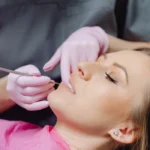
Cosmetic treatments have become increasingly popular, with more people choosing procedures to improve their skin, change their appearance or reduce visible signs of ageing. From Botox and dermal fillers to skin rejuvenation and body contouring, treatments that were once less accessible are now widely advertised through beauty clinics and social media.
- Why are cosmetic procedures becoming more popular?
- What are the risks of Botox, fillers and skin treatments?
- Why are experts raising concerns about unqualified injectors?
- Can having cosmetic treatments carried out by a dentist improve safety?
- Check with dental work too
- Why does regulation matter?
- Making informed choices about cosmetic treatments
As demand grows, concerns about safety, training and professional standards are also increasing. Although many treatments are described as quick or non-surgical, they can still carry medical risks.
A Harley Street practitioner, Alice Henshaw, told The Irish Independent that using non medical professionals to do injectables is ‘wild’ and further argues the case of choosing a properly qualified practitioner who understands the treatment is more sensible.
She explains that someone medically trained can identify complications and knows how to respond if something goes wrong is an important part of protecting your health.
Why are cosmetic procedures becoming more popular?
Social media, celebrity culture and the wider availability of aesthetic clinics have helped make cosmetic treatments more mainstream. Botox, fillers and skin treatments are often promoted as ways to refresh the face, improve skin texture or achieve a particular look without surgery.
People may seek treatment to soften wrinkles, restore facial volume or change certain features. Others choose body treatments to alter their shape or improve the appearance of their skin.
However, greater availability does not mean every provider has the same level of training or experience. A treatment being described as non-surgical or minimally invasive does not mean it is risk-free.
What are the risks of Botox, fillers and skin treatments?
Botox, a brand name for botulinum toxin, works by temporarily relaxing selected muscles. Dermal fillers add volume beneath the skin, while other procedures may use chemicals, lasers, heat or specialist devices to change the appearance of the skin or body.
These treatments can cause side effects and, in some cases, serious complications. Botox injections may cause bruising, unwanted muscle weakness or drooping. Fillers can lead to infection, and if injected into a blood vessel, they can block blood flow and cause tissue damage or, in rare cases, blindness. Some body treatments carry additional risks and require specialist medical knowledge.
The UK Government has acknowledged that the cosmetic industry has grown faster than the rules designed to protect the public. In October 2026, it launched a consultation on proposed restrictions for high-risk cosmetic procedures, including certain injectable and laser treatments. The proposals aim to ensure that these procedures are carried out by appropriately qualified healthcare professionals.
This makes it important for anyone considering cosmetic work to look beyond the price, social media reviews and before-and-after photographs.
Why are experts raising concerns about unqualified injectors?
Concerns about who carries out cosmetic treatments have been highlighted by Alice Henshaw of Harley Street. Speaking to the Irish Independent, she criticised the situation in which non-medical practitioners can carry out injections, describing it as “absolutely wild”.
The concern is that some providers may offer injections without sufficient training, medical knowledge or plans for dealing with complications. A professional-looking website or attractive clinic does not automatically mean a practitioner is suitably qualified.
Before agreeing to treatment, people should ask who will carry it out, what qualifications they hold, which product will be used and what support is available if something goes wrong. A responsible practitioner should welcome these questions and explain the risks clearly.
Can having cosmetic treatments carried out by a dentist improve safety?
Choosing a dentist with appropriate cosmetic training can offer important safety benefits, says Dr Harpreet Varaitch of dental practice, Gabriels Hill, based in Maidstone, Kent. The practice offers general and cosmetic dentistry as well as body and skin treatments.
“Dentists are regulated healthcare professionals with training in facial anatomy, nerves, muscles and the structures of the mouth and face,” she explains.
“This knowledge can be particularly useful when treating areas such as the lips, jawline and lower face.”
“Dentists are also experienced in taking medical histories, assessing patients, explaining risks and obtaining informed consent.”
“With additional training and experience in aesthetic treatments, they may be well placed to assess whether a procedure is suitable, recognise warning signs and respond to complications.”
However, being a dentist does not automatically make someone an expert in every cosmetic procedure. Patients should check the practitioner’s specific training, experience and insurance, as well as the arrangements in place if complications occur. It is also important to understand that professional registration and the rules covering a particular treatment are not always the same thing.
Having a qualified healthcare professional involved can provide valuable safeguards, but no practitioner can guarantee a complication-free result.
Check with dental work too
Before agreeing to treatment, find out who will carry it out and what qualifications and experience they have in that specific procedure. This goes beyond just botox and fillers, but also orthodontic work.
Thousands and thousands of people flocked to Smile Direct Club in recent years, where they could order clear braces online.
Dr Anton Bass of Bass Orthodontics commented:
“Orthodontics is a specialism, and takes years of practice and study. Out of the box solutions for things like braces and also teeth whitening should really be approached with caution. Being with a trained and medical professional is hugely worth it, even if it is a little extra.”
Why does regulation matter?
Professional standards help ensure that practitioners have the skills and knowledge needed to treat people safely. However, regulation of non-surgical cosmetic procedures in England has historically been less comprehensive than regulation in many other areas of healthcare.
In October 2026, the Government proposed new restrictions that would limit certain high-risk procedures to specified groups of qualified healthcare professionals. The proposals include restrictions on high-risk injectable and laser treatments, as well as tighter controls on cosmetic surgery. The Government is also working towards a licensing system for lower-risk cosmetic procedures.
These changes are proposals and must go through the relevant legal process before the new restrictions take effect. The aim is to improve safety, raise standards and give people greater confidence in the person carrying out their treatment.
Until stronger safeguards are fully introduced, consumers should take care when choosing a provider. Checking qualifications, asking about specific training and understanding the risks can help people make informed decisions.
Making informed choices about cosmetic treatments
Cosmetic procedures can help people achieve their personal appearance goals, but safety should always come before convenience or cost. Botox, fillers, skin treatments and body procedures should never be treated as risk-free simply because they are widely available or require little recovery time.
Choosing a suitably trained healthcare professional, including a dentist with relevant aesthetic experience, can offer important safeguards. The practitioner should be able to assess your individual circumstances, explain the risks, provide appropriate aftercare and act quickly if something goes wrong.
As demand for cosmetic treatments continues to grow, public awareness and stronger professional standards will be essential. Taking time to research a practitioner and ask the right questions can help people make safer choices and reduce the risk of avoidable harm.