Key Points
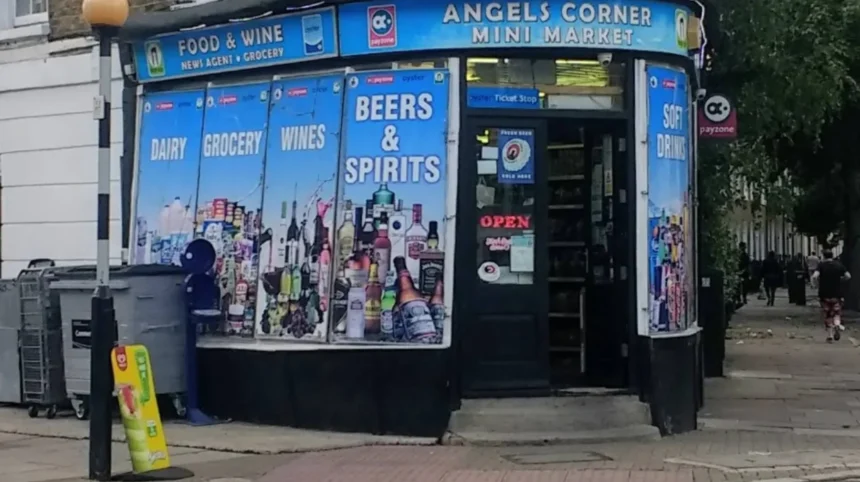
- Licence Revocation: Angel’s Corner Mini Market, situated at Shop 2, Copenhagen Street, London (N1 0JD), has faced intensive scrutiny over alleged criminal practices.
- Metropolitan Police Position: The Metropolitan Police stated they held zero confidence in the shop management due to the suspected sale and handling of stolen goods on the commercial premises.
- Wider Crackdown Context: The enforcement action aligns with broader operations across London targeting rogue retailers who buy and resell stolen items, creating markets for prolific shoplifters.
- Licensing Objectives: The case centres heavily on upholding the core licensing objective concerning the prevention of crime and disorder under the Licensing Act 2003.
Islington (North London News) November 4, 2026 — An Islington corner shop has been stripped of its licence amid police allegations of criminal activity by the shopkeeper.
How Did the Metropolitan Police Uncover Alleged Stolen Goods at Angel’s Corner Mini Market?
The regulatory action unfolded as local law enforcement authorities scrutinised the operational standards and compliance history of retail businesses trading within the London Borough of Islington. According to municipal and police records, officers expressed profound apprehension regarding the commercial practices observed at Angel’s Corner Mini Market.
As documented in local authority and police files, authorities asserted that the establishment failed to maintain basic regulatory and legal standards. The Metropolitan Police stated that they had “no confidence” in Angel’s Corner Mini Market due to the suspected sale of stolen goods from the premises. Law enforcement officials emphasised that retail outlets caught acquiring and redistributing illicitly obtained stock directly undermine high street safety and encourage wider acquisitive crime.
What Regulatory Steps Were Taken Against the Islington Convenience Store?
The legal mechanism to address these concerns involved formal reviews under the UK Licensing Act 2003, which empowers responsible authorities such as the police and trading standards to intervene when venues compromise public safety or the prevention of crime.
As outlined in municipal compliance documents, police licensing teams evaluated the accumulation of evidence regarding the shop’s management. Authorities noted that previous engagements and standard warnings proved inadequate in altering the commercial conduct of the operators. Consequently, the Metropolitan Police submitted formal applications to review the premises licence, seeking full revocation to curtail ongoing risks. The licensing sub-committee subsequently evaluated the dossier of evidence presented by law enforcement and partner agencies, resulting in the removal of the store’s authorization to trade.
Background of the Particular Development
The revocation of licences for small convenience stores accused of handling illicit inventory forms part of a wider, coordinated initiative across the capital. In recent months, the Metropolitan Police Service, alongside local borough trading standards and major high street retailers, launched intensive operations targeting the supply chains that benefit from retail crime. Intelligence gathered by law enforcement indicated that prolific shoplifters frequently steal items “to order” for rogue buyers who operate small storefronts. By shutting down the commercial outlets that act as outlets for stolen goods, authorities aim to dismantle the financial incentives driving local shoplifting epidemics.
Prediction: How This Development Can Affect the Local Community and Retailers
The strict regulatory action taken against Angel’s Corner Mini Market will likely send a powerful deterrent signal to other independent retailers operating across North London. For the local community and honest business owners, this development reassures residents that regulatory frameworks are actively being used to purge criminality from high streets, ensuring that compliant traders are not undercut by rogue operators. For independent shopkeepers and local business operators, the case serves as a stark reminder that lax oversight, or the handling of unverified and potentially stolen stock, carries severe commercial penalties, including the permanent loss of trading licences and potential criminal prosecution.